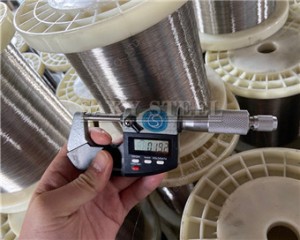
316L VIM-VAR Stainless Steel Round Bar
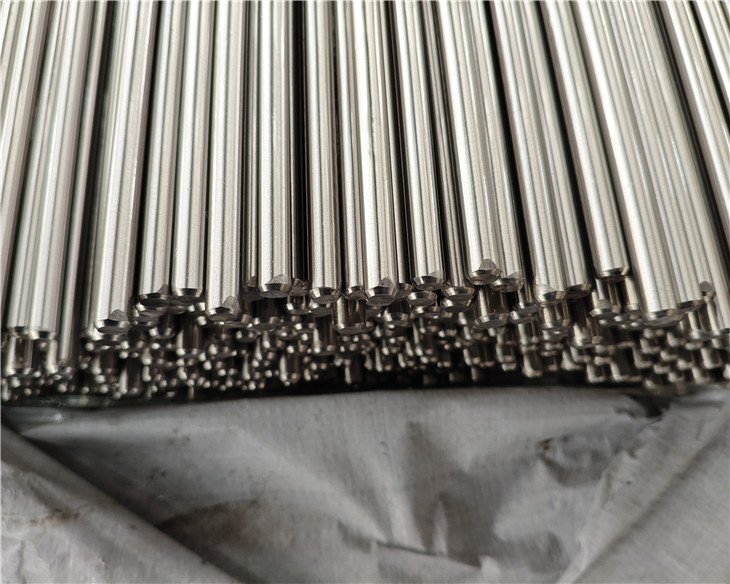
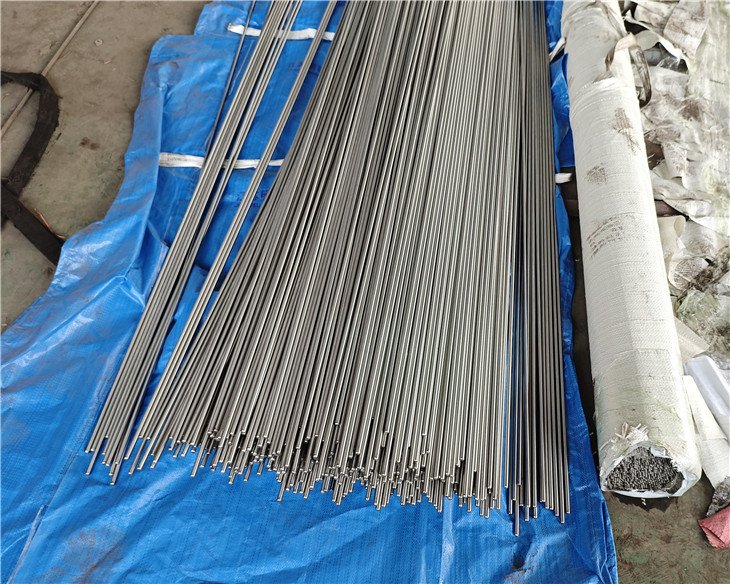
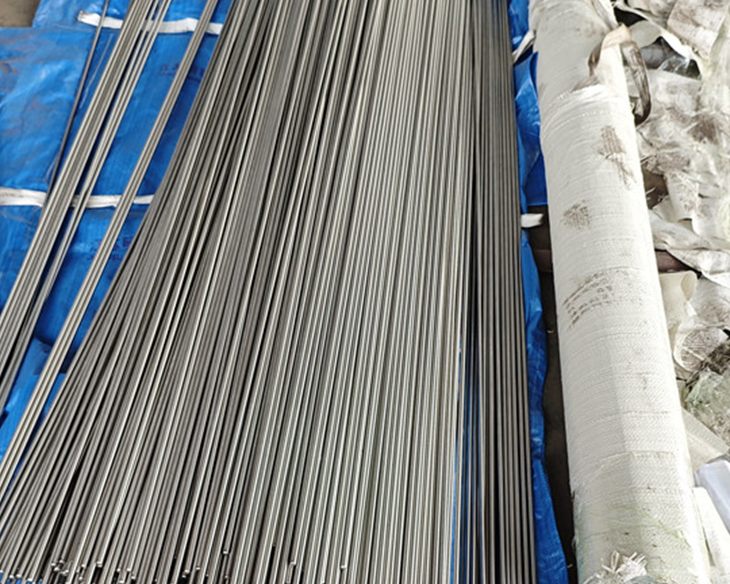
Short Description:
316L / UNS S31603 VIM-VAR stainless steel round bar for semiconductor, ultra-high-vacuum and precision-machined components. Diameter 6–300 mm is subject to melt-route availability; black, peeled, turned or ground finishes are available. Quote to ASTM A276, ASTM A479 or AMS 5653 with the required route evidence, tolerances, inspection and documents.
316L VIM-VAR Stainless Steel Round Bar
SAKYSTEEL supplies 316L / UNS S31603 round bar produced through vacuum induction melting followed by vacuum arc remelting. It is intended for buyers who need a defined double-vacuum melt route, heat-level traceability and project-specific control of cleanliness, inspection and documentation. If the order does not require VIM + VAR, compare our standard 316 / 316L stainless steel round bar.
Product Specifications
| Product | 316L VIM-VAR stainless steel round bar |
|---|---|
| Grade / Designation | 316L / UNS S31603 / EN 1.4404 |
| Melting Route | VIM + VAR (Vacuum Induction Melting + Vacuum Arc Remelting) |
| Common Standards | ASTM A276, ASTM A479 and AMS 5653; customer or semiconductor specifications reviewed separately |
| Diameter Range | 6–300 mm (0.236–11.81 in); other diameters reviewed against quantity and specification |
| Length | 1–6 m, fixed length or cut length; special length by agreement |
| Delivery Condition | Hot finished, forged or cold finished; solution annealed or other agreed condition |
| Surface Finish | Black, peeled, turned or centerless ground |
| Tolerance / End Condition | Standard tolerance or drawing-specific control; sawn, machined or chamfered ends |
| Traceability | Heat number, grade, melt route and inspection records maintained as specified in the order |
Specification note: VIM-VAR describes the melting route. The governing bar standard still controls chemistry, dimensions, heat treatment and mechanical requirements. Special cleanliness limits must be written into the inquiry or drawing.
316L Chemical Composition
Common UNS S31603 limits are shown below. The ordered specification and its revision take precedence over this reference table.
| C | Mn | Si | P | S | Cr | Ni | Mo | N |
|---|---|---|---|---|---|---|---|---|
| ≤0.030 | ≤2.00 | ≤1.00 | ≤0.045 | ≤0.030 | 16.00–18.00 | 10.00–14.00 | 2.00–3.00 | ≤0.10 |
Reference Physical and Mechanical Properties
| Property | Reference Value | Procurement Meaning |
|---|---|---|
| Density | 8.0–8.03 g/cm³ | Useful for weight estimation |
| Elastic modulus at 20°C | About 200 GPa | Reference input for component design |
| Thermal conductivity at 20°C | About 15 W/m·K | Relevant to thermal response and machining |
| Thermal expansion, 20–100°C | About 16.0 × 10⁻⁶/K | Consider for close-tolerance assemblies |
| Tensile strength | ≥485 MPa | Common annealed 316L reference; ordered standard governs |
| 0.2% yield strength | ≥170 MPa | Confirm by size, condition and standard |
| Elongation | ≥40% | Reference for annealed material; test orientation applies |
| Hardness | ≤95 HRB | Confirm when hardness is an acceptance requirement |
Values are selection references for 316L. Certified results must come from the applicable material certificate and agreed test plan.
VIM-VAR Production Route
VIM provides a controlled vacuum environment for melting and alloy adjustment. VAR remelts the electrode under vacuum and controls the solidification of the new ingot. The route supports high-cleanliness procurement, but a numeric inclusion rating, oxygen or nitrogen limit is only contractual when the test method and acceptance limit are specified. For a fuller route comparison, read How Stainless Steel Bar Is Made: Melting Routes from EAF/AOD to VIM/VAR.
316L Melt Route Comparison
| 316L Type | Route | Typical Buying Priority | What to State in the Order |
|---|---|---|---|
| Conventional 316L | EAF/AOD or equivalent commercial route | Standard corrosion resistance and general fabrication | Grade, standard, condition, dimensions and tests |
| 316L + VAR | Primary melt followed by VAR | Remelt-route control for more demanding components | Primary route, VAR requirement and acceptance evidence |
| 316L VIM-VAR | VIM followed by VAR | Defined double-vacuum route, traceability and agreed cleanliness control | VIM + VAR, heat traceability, cleanliness limits, inspection and reports |
Selection note: VIM-VAR should be specified only when the project requires the double-vacuum route or measurable cleanliness controls. For general corrosion-resistant components, conventional 316L bar may be the more economical choice.
Application Selection Table
| Application Field | Typical Components | Why VIM-VAR 316L May Be Selected | Buyer Should Confirm |
|---|---|---|---|
| Semiconductor equipment | Valve bodies, manifolds, fittings and machined gas-system parts | Controlled melt route and project-defined cleanliness | Customer specification, gas limits, inclusion rating and surface process |
| Ultra-high vacuum systems | Seals, flanges, housings and vacuum hardware | Heat traceability and controlled raw material for precision machining | Leak-rate design, surface finish, cleaning and dimensional tolerance |
| High-purity gas delivery | Regulator, valve and flow-control components | Specified cleanliness evidence and material consistency | Media compatibility, cleanliness protocol and inspection plan |
| Pharmaceutical and biotechnology | Precision valve, pump and instrumentation parts | Low-carbon 316L base chemistry with additional melt-route control | Product-contact requirements, finish, cleaning and documentation |
| Precision instruments | Sensor bodies, motion-control and analytical equipment parts | Traceable input material for critical machining programs | Drawing tolerance, straightness, surface and NDT requirements |
Inspection and Documentation
| Standard Inspection | Dimensions, surface, chemistry and mechanical properties according to the agreed product specification |
|---|---|
| Optional Testing | PMI, ultrasonic testing, corrosion testing, grain size, microstructure or special cleanliness evaluation when specified |
| Material Records | Material test certificate, heat number and documented VIM-VAR route; extra reports supplied when included in the quotation |
| Third-Party Inspection | Witness or review requirements can be arranged after the agency, hold points and document format are agreed |
Surface Protection and Export Packing
- Ground or machined bars can be wrapped individually to limit surface contact and handling marks.
- Ends can be protected with caps or wrapping according to diameter and finish.
- Bundles are secured with identification that preserves heat and item traceability.
- Wooden cases, supports or other export packing are selected according to bar length, weight and transport method.
Packing details are confirmed in the quotation because a black forged bar and a precision-ground bar require different protection.
RFQ Information Checklist
Send the following information so the material route, dimensions, tests and documentation can be matched before pricing:
316L / UNS S31603 and required standard
VIM + VAR and required traceability evidence
Diameter, length, quantity, tolerance and straightness
Heat treatment, surface finish and end condition
UT, PMI, cleanliness, corrosion or other tests
MTC type, report format, marking and packing
Frequently Asked Questions
Is VIM-VAR 316L a separate stainless steel grade?
No. The grade remains 316L / UNS S31603. VIM-VAR identifies the required primary melting and remelting route.
Does VIM-VAR automatically guarantee a cleanliness value?
No. State the required test method, sampling position, reporting format and acceptance limit if inclusion rating, gas content or another cleanliness indicator is contractual.
Can the bar be supplied to ASTM A276 or ASTM A479?
Both are common references for stainless bar, but the correct specification depends on the component and service. VIM + VAR must be stated separately because the ASTM designation alone does not require this melt route.
What surface is best for precision machining?
Peeled, turned or centerless-ground bars provide different stock allowance and surface control. Send the finished-part diameter, machining allowance and surface acceptance requirement for review.
What documents should be requested?
Normally specify the material certificate, heat number and VIM-VAR route evidence. Add UT, cleanliness, corrosion or third-party reports only when required by the project.
Request a 316L VIM-VAR Round Bar Quote
Send the required standard, diameter, length, quantity, finish, tests and documentation for technical review.
Please complete the inquiry form below with your purchasing requirements.