-
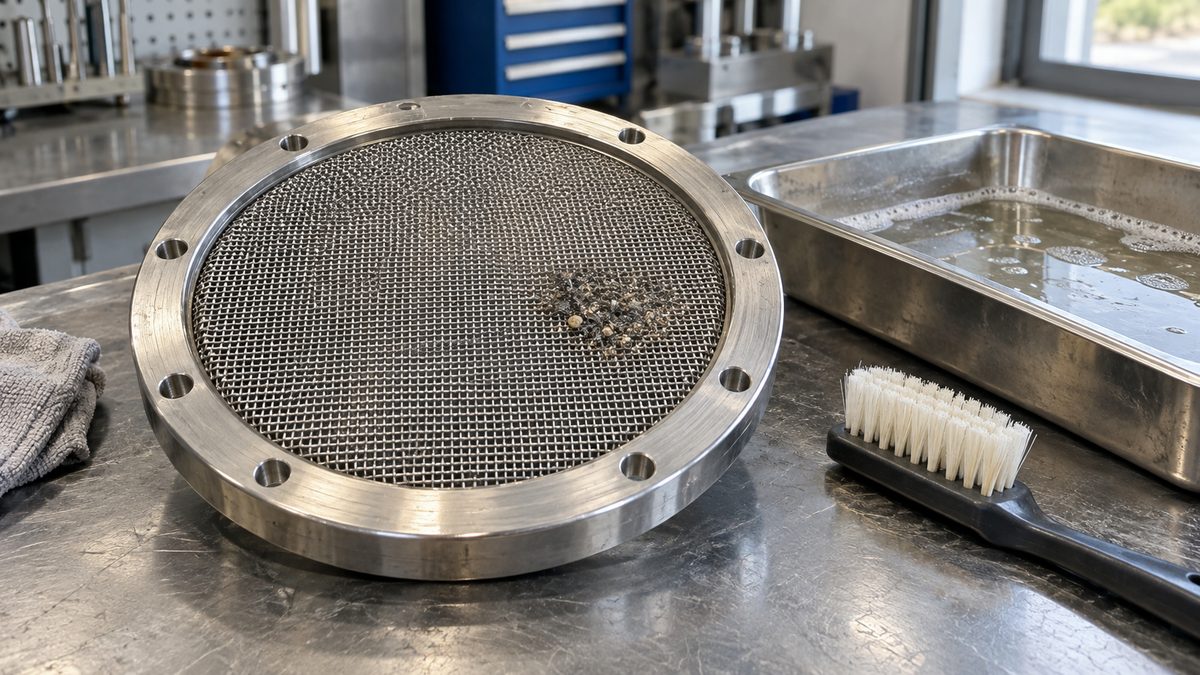
Clean stainless steel wire mesh using a method compatible with the trapped material, wire size and complete filter assembly. A screen that looks clean is not necessarily undamaged or ready for reuse. Identify the deposit first, remove it without forcing particles through the weave, and inspect ...Read more »
-
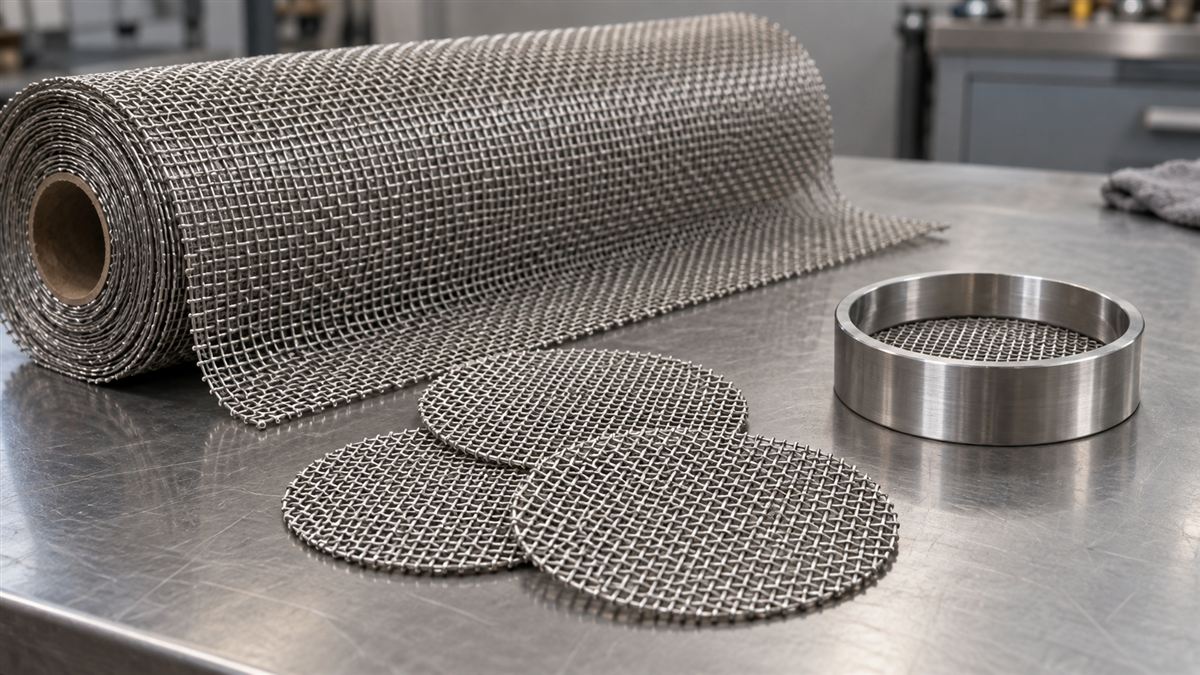
Quick answer: Stainless steel wire mesh does not have one universal pressure-drop value. The result depends on the weave, wire geometry, fluid, flow rate, effective area and whether the mesh is clean or loaded with particles. Compare filtration performance and pressure loss under the same test ...Read more »
-
Market reference date: September 16, 2026. The tables summarize material-only reference levels converted from publicly visible China-market indications. Cold-rolled prices are based on 1219 mm slit-edge material; hot-rolled prices are based on 1500 mm mill-edge material. Other widths require se...Read more »
-
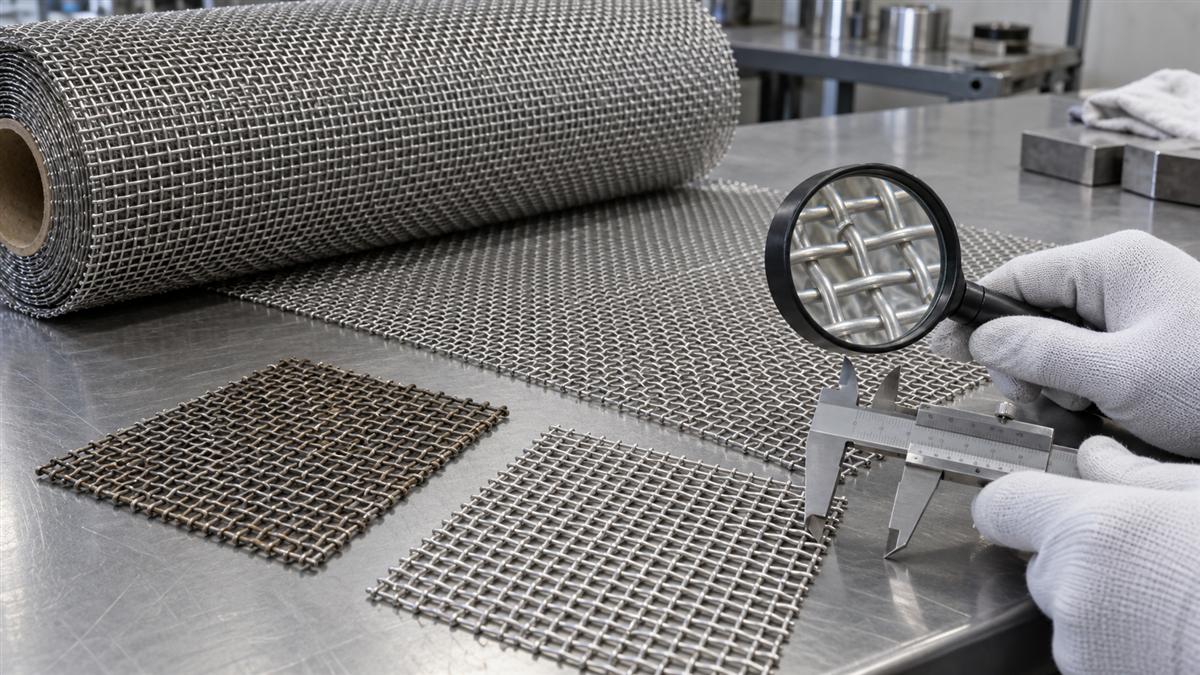
Quick answer: Stainless steel wire mesh has no universal service-life number. A correctly selected mesh can remain functional for many years, but its actual life depends on the alloy grade, chloride and chemical exposure, temperature, deposits, cleaning method, wire diameter, weave, loading an...Read more »
-
Quotation basis — September 15, 2026: Cold-rolled prices are based on 1219 mm slit-edge material, and hot-rolled prices on 1500 mm mill-edge material unless a different width or edge is explicitly shown. Other widths require a surcharge; please confirm the exact adjustment with sales. Material p...Read more »
-
Surface roughness on a stainless steel capillary tube must be defined as a measurable acceptance requirement—not inferred from a bright appearance. For instrument lines, analytical equipment and precision fluid-transfer components, buyers should identify the required surface, parameter, measure...Read more »
-
Quotation basis — September 14, 2026: Cold-rolled prices are based on 1219 mm slit-edge material, and hot-rolled prices on 1500 mm mill-edge material unless a different width or edge is explicitly shown. Other widths require a surcharge; please confirm the exact adjustment with sales. Material p...Read more »
-
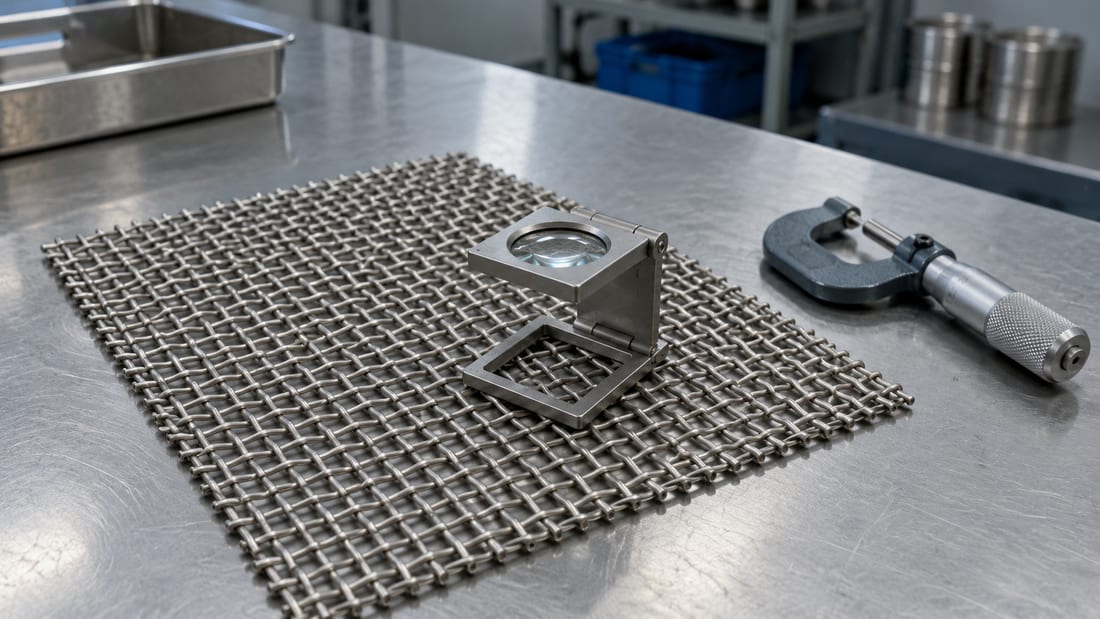
Inspect stainless steel wire mesh against the ordered construction, opening, wire diameter and agreed acceptance criteria—not its appearance or mesh count alone. For woven screening mesh, check both wire directions and look for isolated oversized openings as well as the average aperture. For Du...Read more »
-
Quotation basis — September 11, 2026: Cold-rolled prices are based on 1219 mm slit-edge material, and hot-rolled prices on 1500 mm mill-edge material unless a different width or edge is explicitly shown. Other widths require a surcharge; please confirm the exact adjustment with sales. Material p...Read more »
-
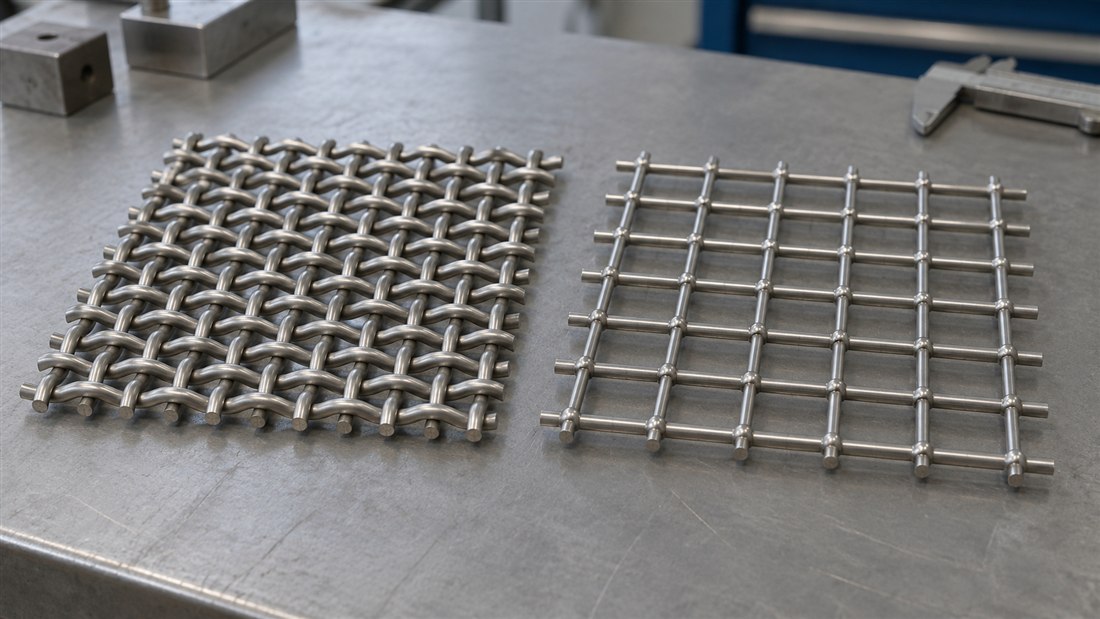
Choose stainless steel wire mesh by its job, not simply by whether the wires are woven or welded. Woven cloth is a common starting point for screening and filtration; welded mesh is often considered for panels, enclosures and infill. Neither construction is automatically suitable for a particul...Read more »
-
Quotation basis — September 10, 2026: Cold-rolled prices are based on 1219 mm slit-edge material, and hot-rolled prices on 1500 mm mill-edge material unless a different width or edge is explicitly shown. Other widths require a surcharge; please confirm the exact adjustment with sales. Material p...Read more »
-
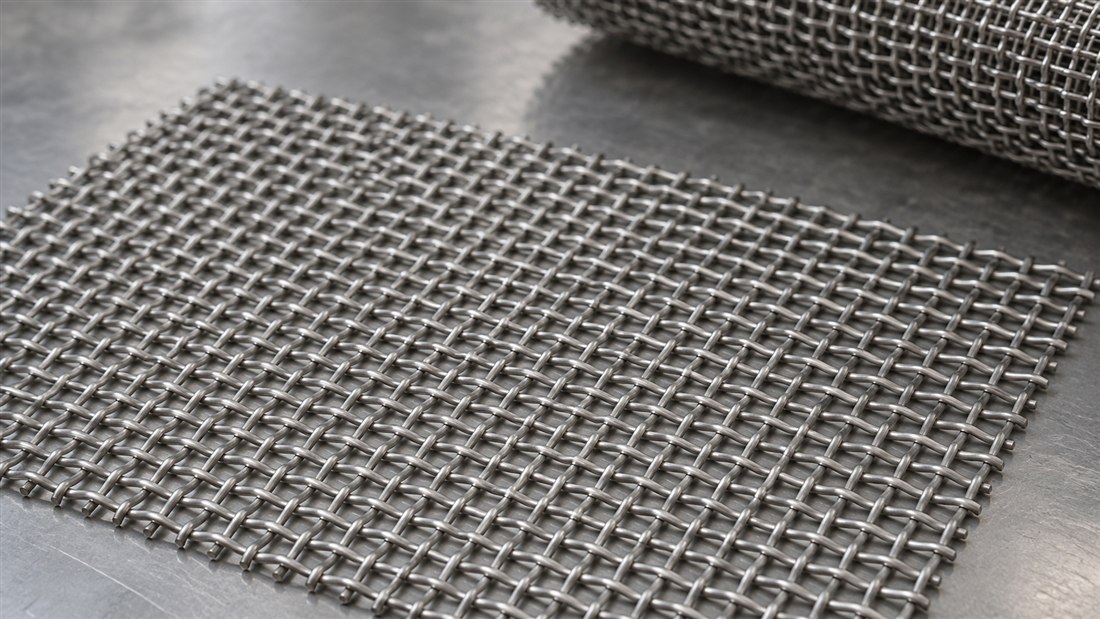
Mesh count is not a micron rating. For regular square woven stainless steel mesh, the clear opening depends on both the count and the wire diameter. Two screens sold as “20 mesh” can therefore pass different particle sizes. For Dutch weave filter cloth, a square-opening calculation does not est...Read more »
-
Stainless Steel Market Reference — September 9, 2026 Cold-rolled prices are based on 1219 mm slit-edge material; hot-rolled prices are based on 1500 mm mill-edge material, except where a different edge condition is shown. Other widths require a surcharge; please contact our sales team for detail...Read more »
-
Quick answer: ASTM A262 testing evaluates susceptibility to intergranular attack in austenitic stainless steel. A useful purchase requirement identifies the applicable practice, material condition, sampling plan and acceptance criteria. Simply writing “A262 passed” does not tell an engineer wha...Read more »
-
Quick answer: A stainless steel round bar for CNC machining should be specified by more than its grade. Define the alloy and condition, supplied diameter and tolerance, straightness, surface condition, cut length, machining allowance and inspection documents. These details determine feeding stab...Read more »