-
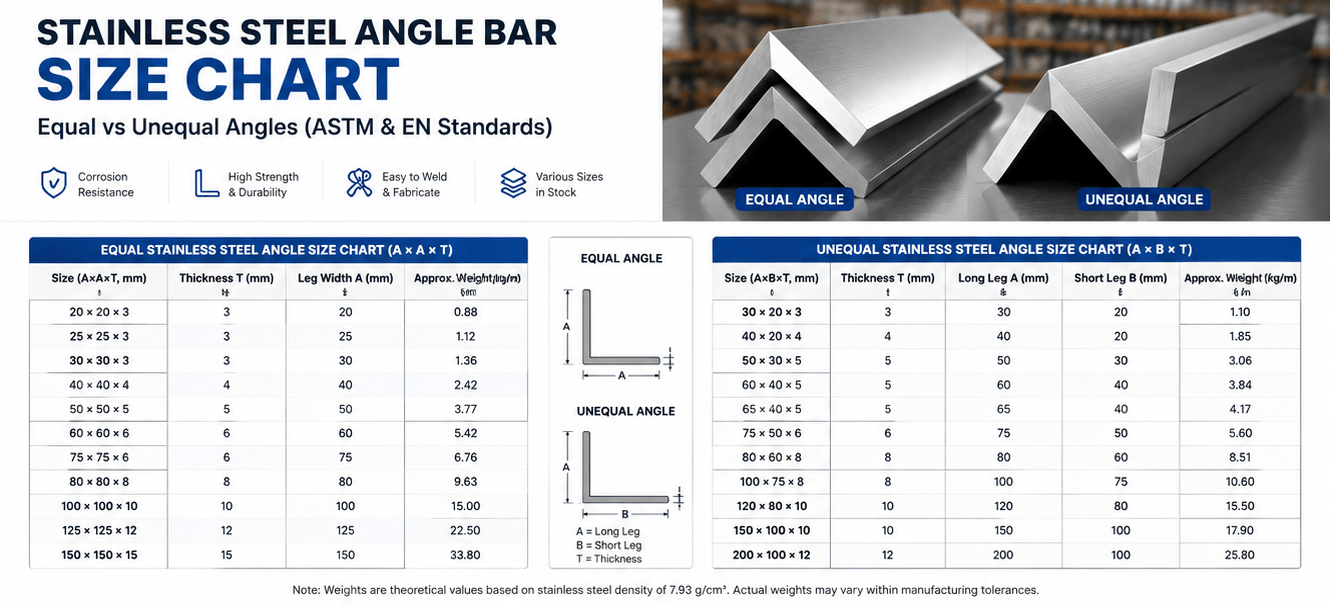
Introduction Stainless steel angle bar is an L-shaped structural profile widely used in fabrication, construction and industrial equipment. Selecting the correct angle size requires understanding leg dimensions, thickness, weight and applicable standards. This guide provides a practical stainl...Read more »
-
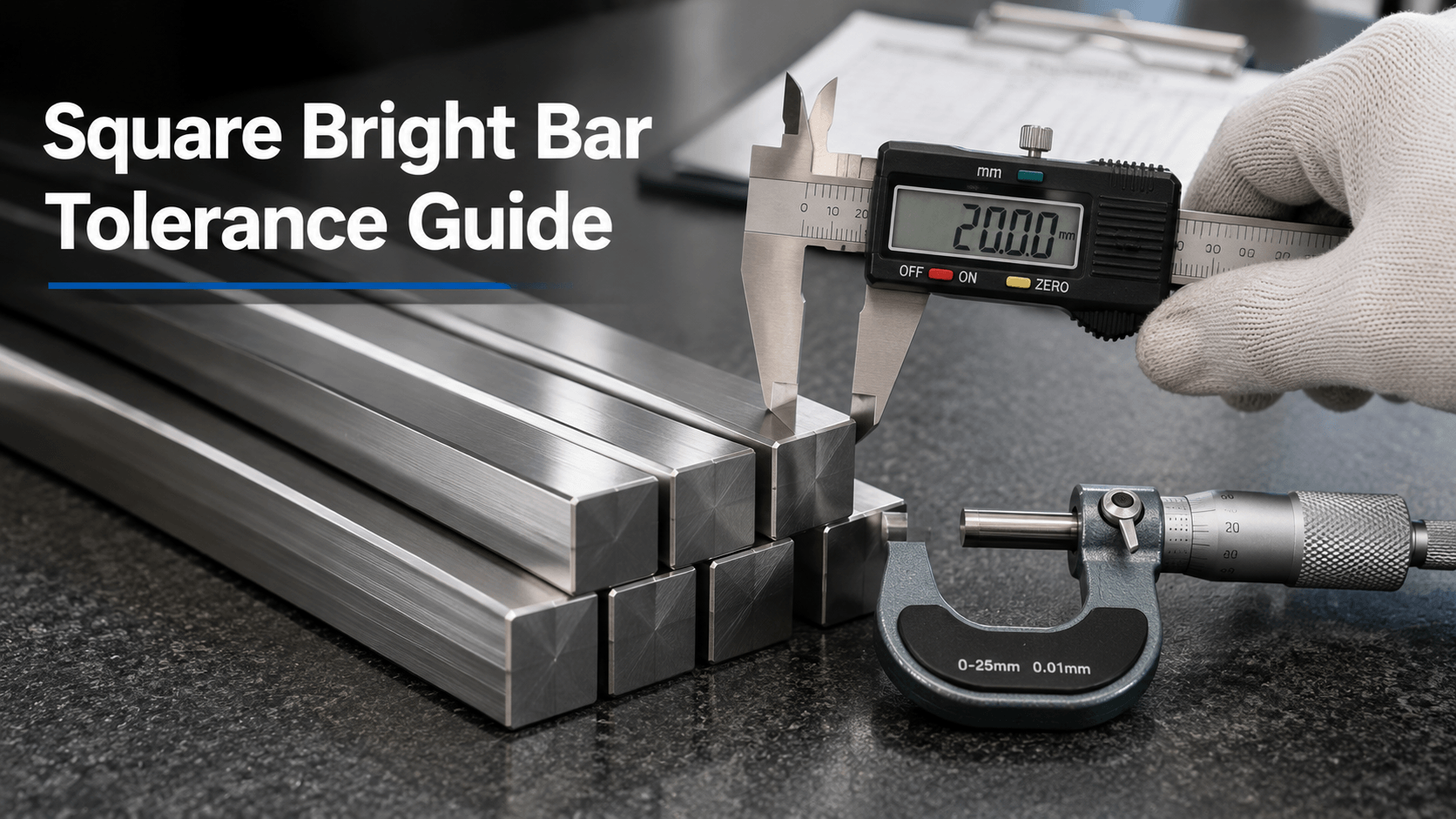
Introduction Square bright bar is a precision metal product widely used in machining, fabrication and industrial applications where dimensional accuracy, surface quality and straightness are important. Compared with ordinary hot rolled square bars, bright bars provide improved surface finish a...Read more »
-

Introduction Stainless steel square bar has become an increasingly popular material in modern architecture, interior design and custom furniture manufacturing due to its clean appearance, structural strength and long service life. With the growth of minimalist interior design and contemporary ...Read more »
-
Introduction Stainless steel square bar, round bar and flat bar are three common forms of solid stainless steel products used in industrial manufacturing, construction and fabrication. Although they are made from similar stainless steel grades, their different cross-sectional shapes result in d...Read more »
-
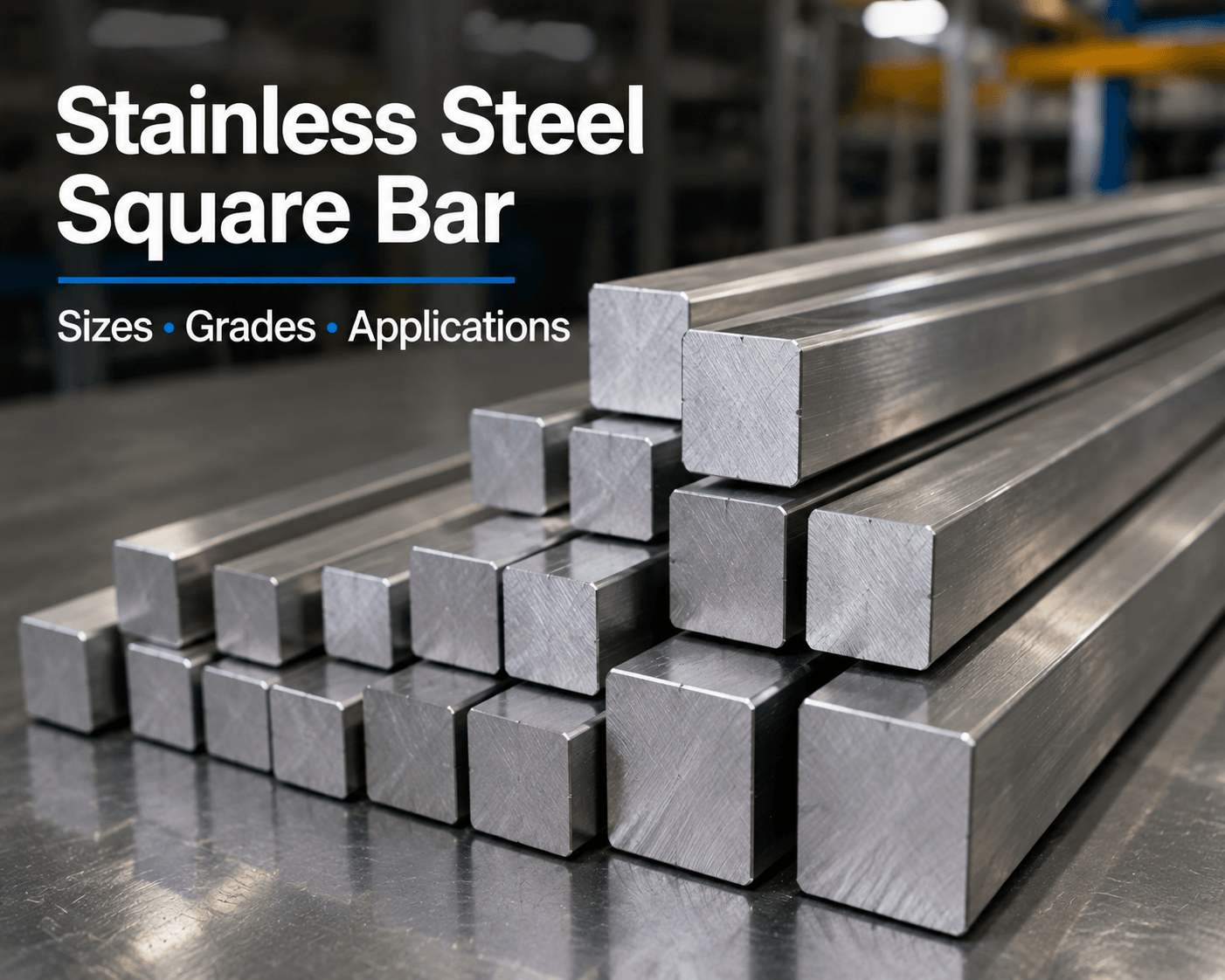
Introduction Stainless steel square bar is a solid stainless steel product with a square cross-section, widely used in structural components, machining parts, fabrication projects and industrial equipment. The selection of stainless steel square bar depends on size, grade, surface finish, mecha...Read more »
-
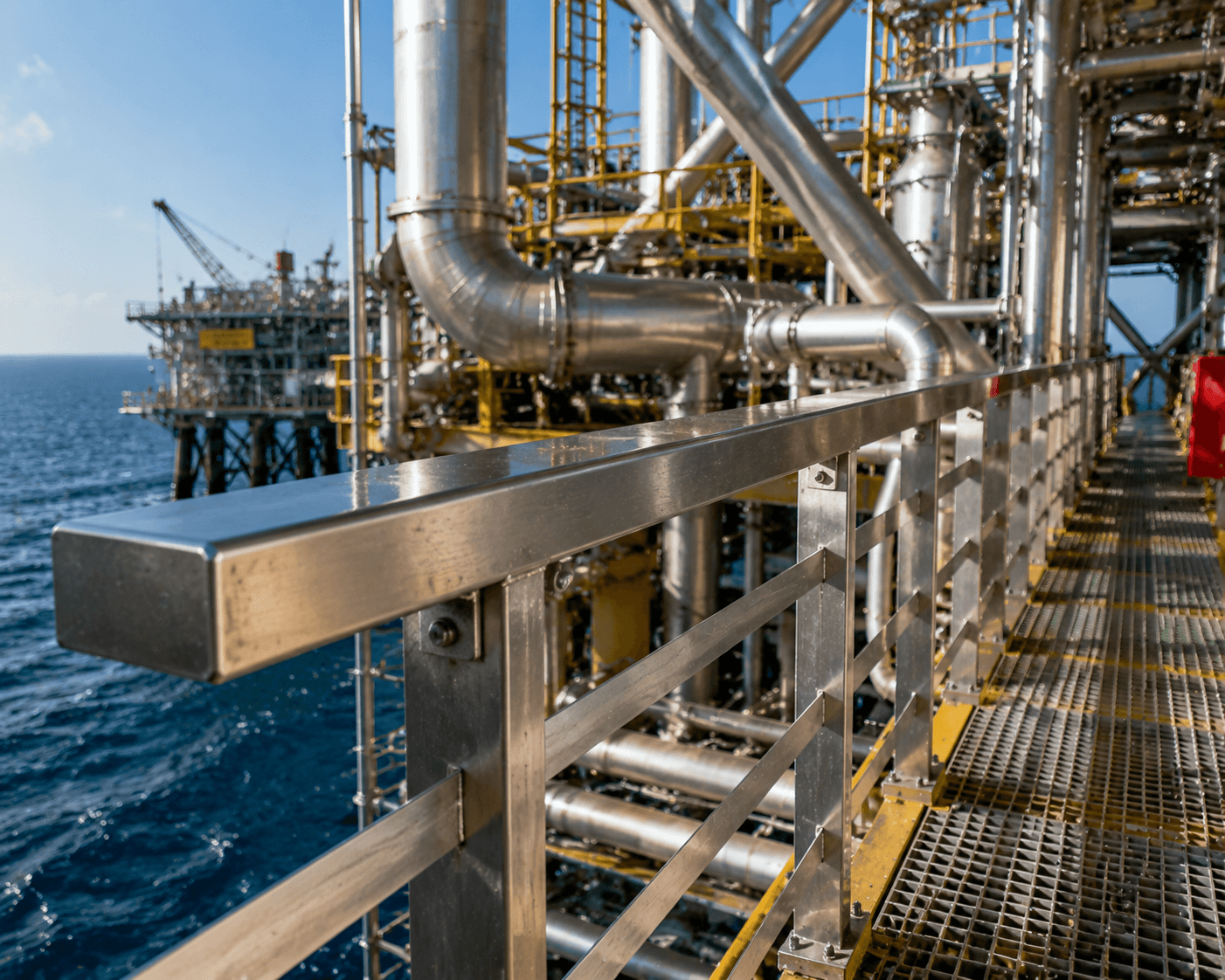
Introduction Duplex stainless steel flat bar has become an important alternative to 316L stainless steel in structural applications where higher strength, improved corrosion resistance and reduced lifecycle costs are required. Among duplex stainless steels, Grade 2205 is one of the most widely...Read more »
-
Introduction Stainless steel flat bar is increasingly used in solar mounting systems and green building projects because of its long service life, corrosion resistance and low maintenance requirements in outdoor environments. Solar structures are continuously exposed to weather conditions inc...Read more »
-

Introduction 304 and 316 stainless steel flat bars are both widely used in architectural and structural applications, but their corrosion resistance performance differs significantly in coastal environments. For coastal architecture, balustrades, handrails and exterior structures, material se...Read more »
-
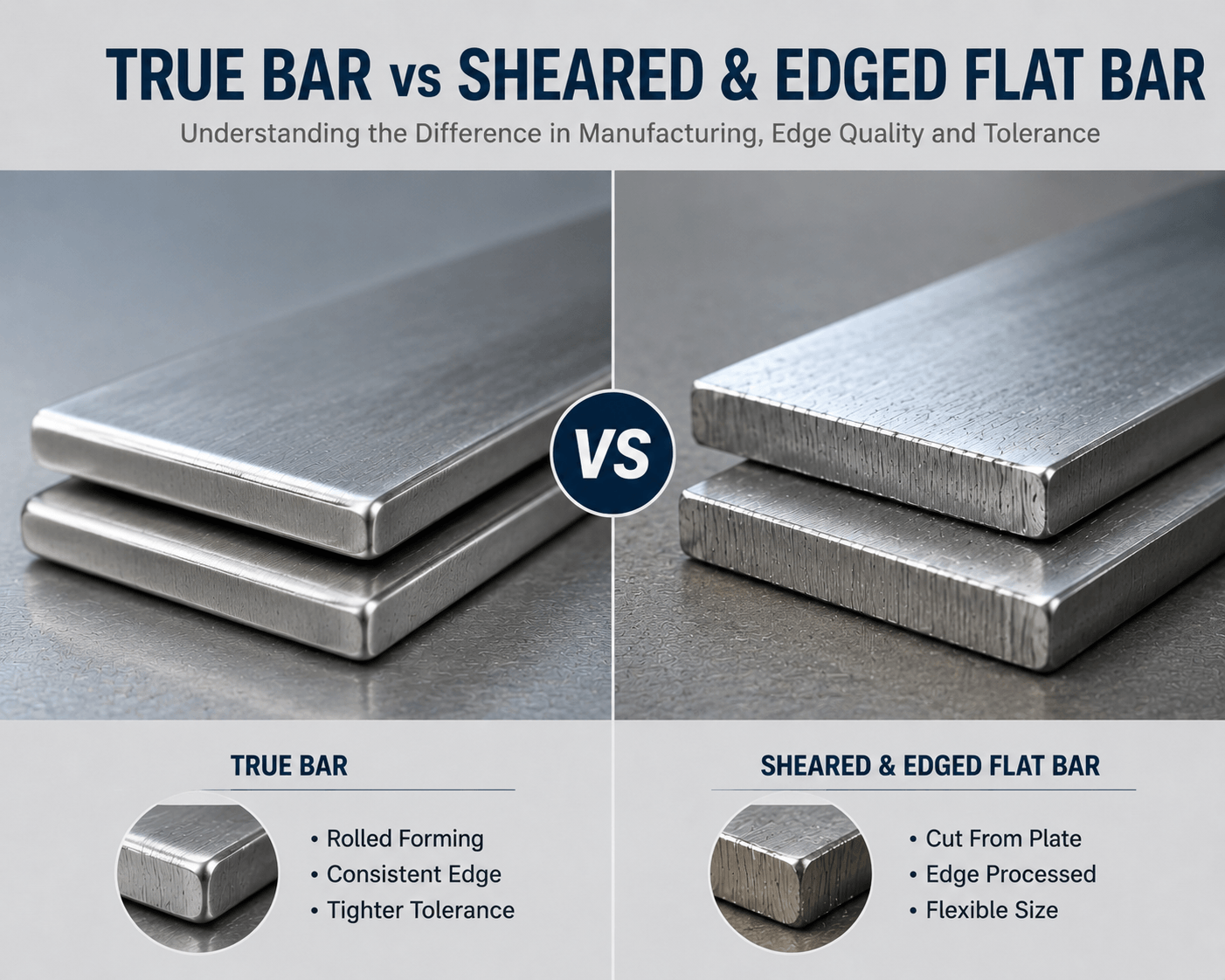
Introduction True bar and sheared & edged flat bar are two common types of stainless steel flat bar products, but they are manufactured through different processes and offer different levels of edge quality, dimensional accuracy and cost performance. A true bar is produced through direct r...Read more »
-
Introduction Stainless steel bar prices in 2026 will continue to be influenced by raw material costs, nickel market fluctuations, stainless steel supply conditions, Indonesian nickel policies and global trade regulations. For buyers of stainless steel round bars, flat bars and precision bars, un...Read more »
-
Introduction Stainless steel round bars are widely used in machining, fabrication, construction, automotive, chemical processing and industrial equipment manufacturing. Selecting the correct round bar size requires understanding diameter specifications, weight per meter, tolerance grades and ava...Read more »
-
Introduction Stainless steel solution treatment and annealing are two important heat treatment processes used to improve stainless steel performance. Although both processes involve heating and cooling stainless steel, they have different purposes and effects on material structure, corrosion res...Read more »
-
Introduction 304 stainless steel and 304L stainless steel are two of the most commonly used austenitic stainless steel grades worldwide. They have similar corrosion resistance, appearance and fabrication characteristics, but the main difference is carbon content. 304L stainless steel is a low-ca...Read more »
-
Introduction Spring steel is a group of high-strength steels designed to withstand elastic deformation and return to their original shape after bending or loading. It is widely used for manufacturing springs, clips, washers, blades, suspension components and precision mechanical parts that requi...Read more »
-
Introduction Non-Destructive Testing (NDT) is a group of inspection methods used to evaluate the quality, integrity and reliability of materials without damaging the tested component. Common NDT methods used for metal products include Liquid Penetrant Testing (LP), Magnetic Particle Testing (MP)...Read more »