-
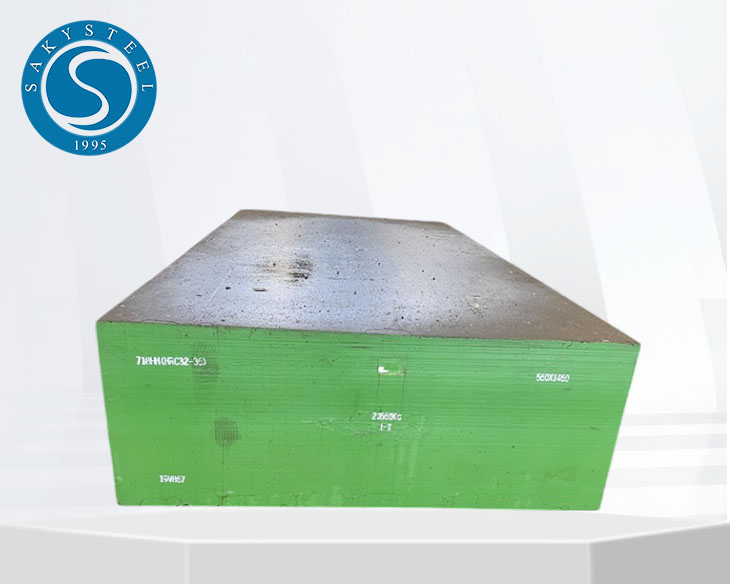
Forging is one of the oldest and most reliable methods of shaping metal, used for producing components with exceptional strength, toughness, and reliability. In industries such as automotive, aerospace, energy, and heavy machinery, forged parts are essential for critical applications where failur...Read more »
-
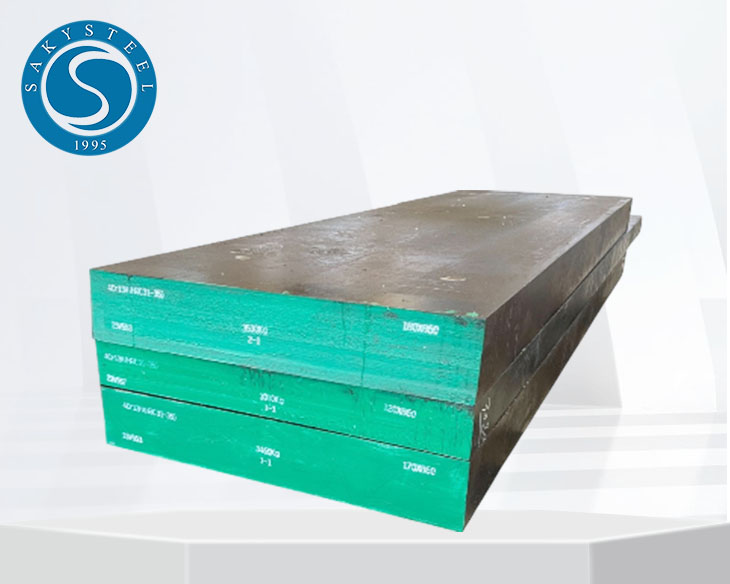
SKD11 tool steel is one of the most widely used cold work tool steels in industrial manufacturing. It belongs to the high-carbon, high-chromium alloy steel family and is well known for its excellent wear resistance, high hardness, and dimensional stability after heat treatment. The Japanese Indus...Read more »
-
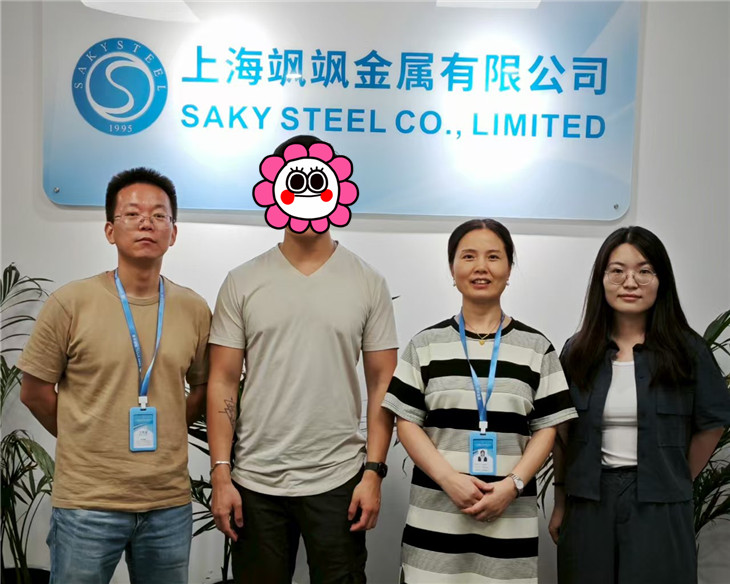
In early August 2025, our company welcomed an important client from the United States. The purpose of the visit was to conduct an on-site inspection of our production capacity and machining capabilities for high-performance nickel-based alloys, including C22, C276, and Inconel 625, and to engage ...Read more »
-
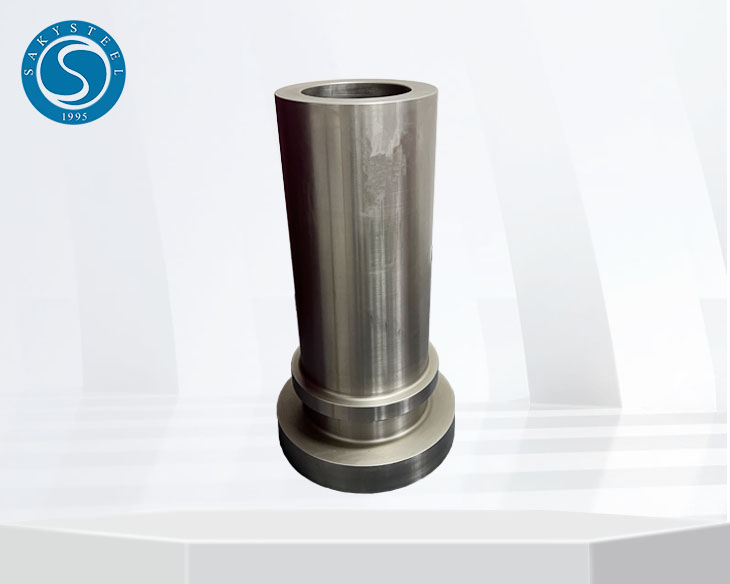
Precision forging is an advanced metal forming process that produces components with near-net shapes, high dimensional accuracy, and superior mechanical properties. Unlike conventional forging, which may require extensive machining after forming, precision forging minimizes post-processing, reduc...Read more »
-
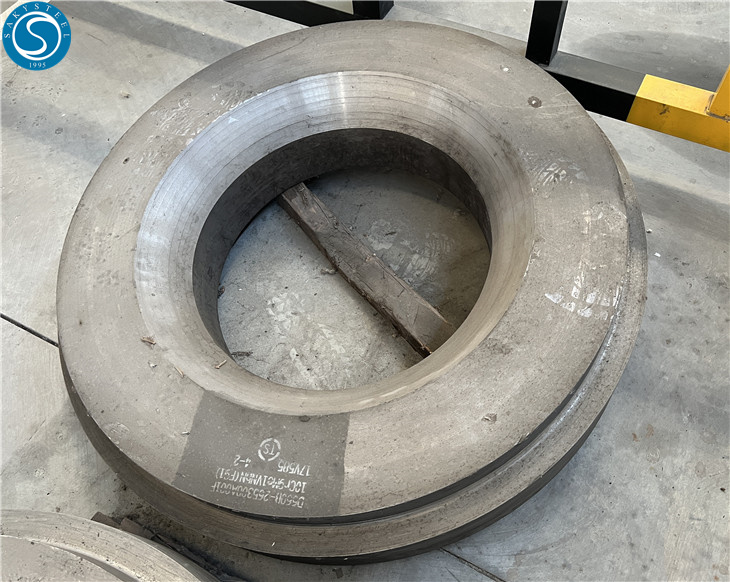
Forging molds, also known as forging dies, are essential tools used in the metal forging process to shape raw metal into the desired dimensions and profiles. The design, material, and category of the forging mold directly influence the accuracy, strength, and production efficiency of the final pr...Read more »
-
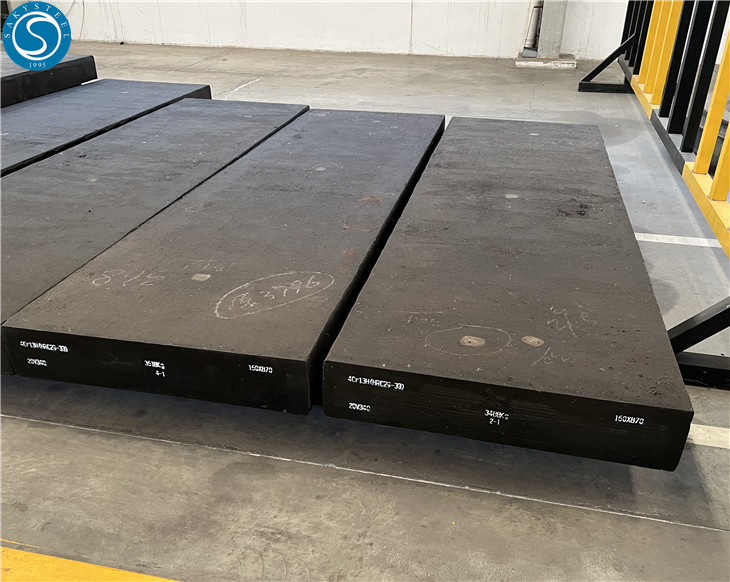
Forging heat treatment is a critical step in the manufacturing process of steel and other metal components. It directly affects the mechanical properties, structural integrity, and service life of the finished product. Before initiating heat treatment, careful preparation is essential to ensure o...Read more »
-
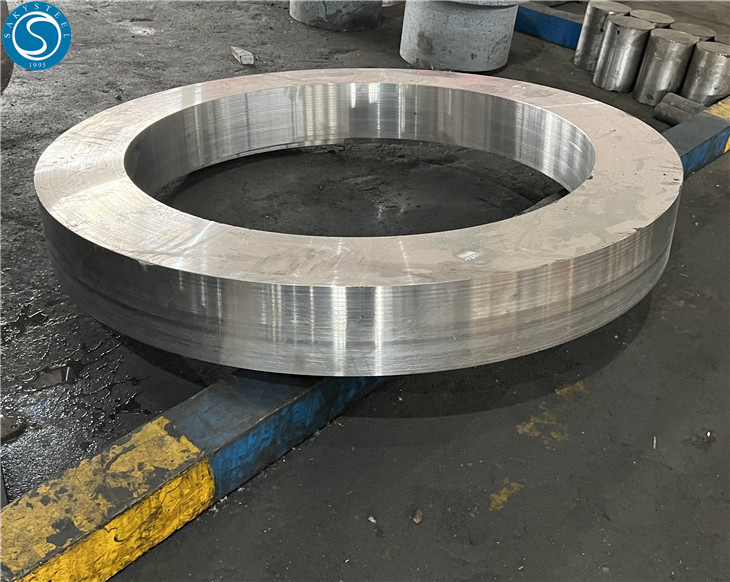
Steel is one of the most versatile and widely used materials for forging applications. Its ability to be shaped under compressive forces, combined with high strength and durability, makes it essential for producing critical components in automotive, aerospace, energy, and construction industries....Read more »
-
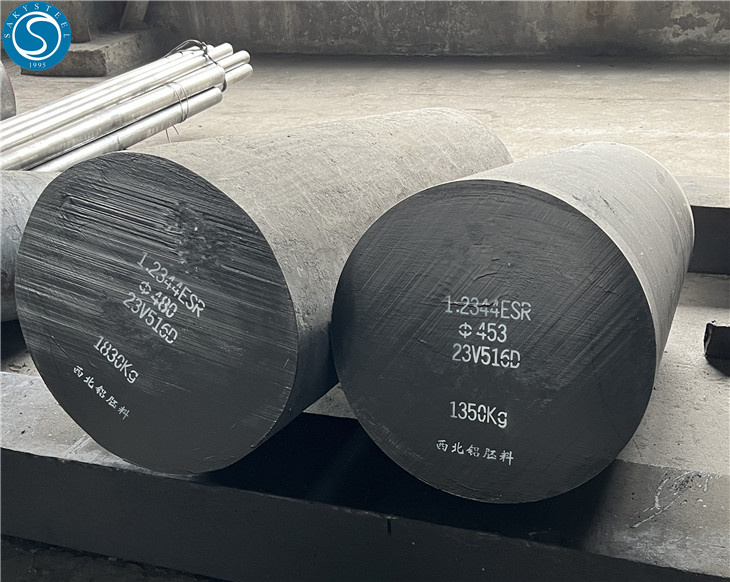
Forging is one of the most widely used manufacturing processes for shaping metal into desired forms. It involves applying compressive forces to deform metal, enhancing its mechanical properties and creating components with excellent strength and durability. Among various forging techniques, hot f...Read more »
-
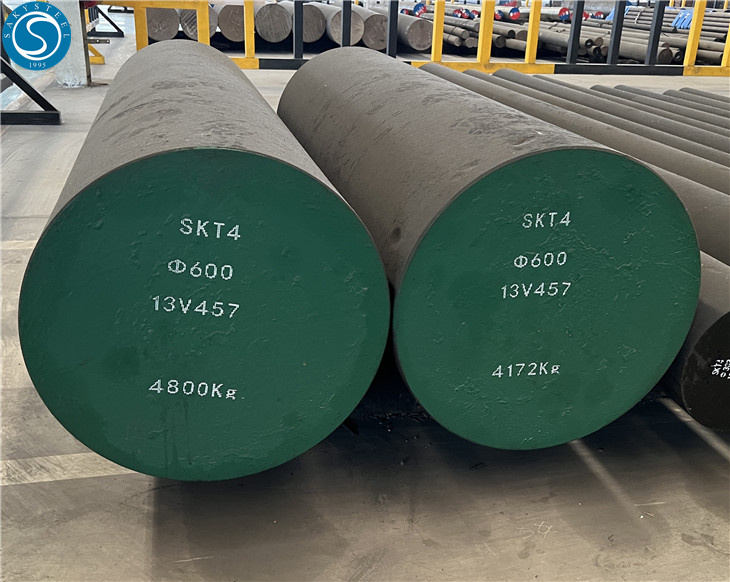
Forging is one of the oldest and most reliable metalworking processes, known for producing components with exceptional mechanical properties and structural integrity. By shaping metal under compressive forces, forging refines the grain structure, eliminates defects, and creates parts that can per...Read more »
-
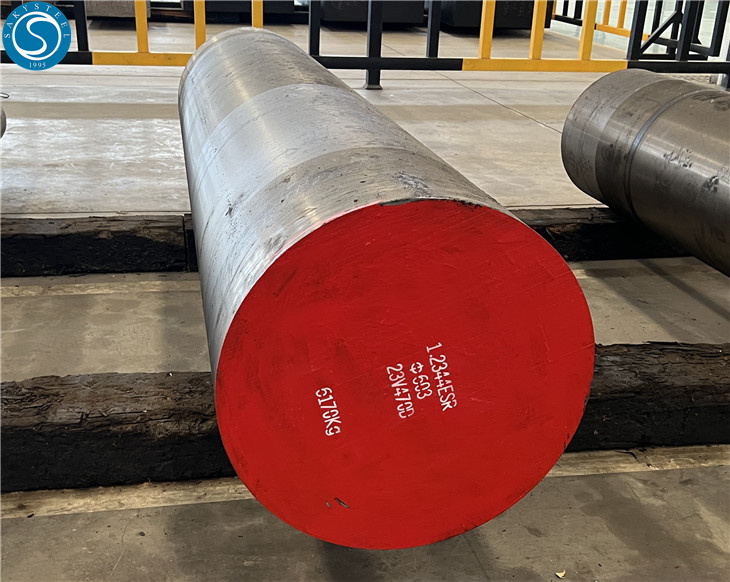
Annealing is one of the most important heat treatment processes for forgings, used to improve their machinability, relieve internal stresses, enhance ductility, and prepare them for further processing. Forgings, produced by shaping metal under high compressive forces, often have residual stresses...Read more »
-
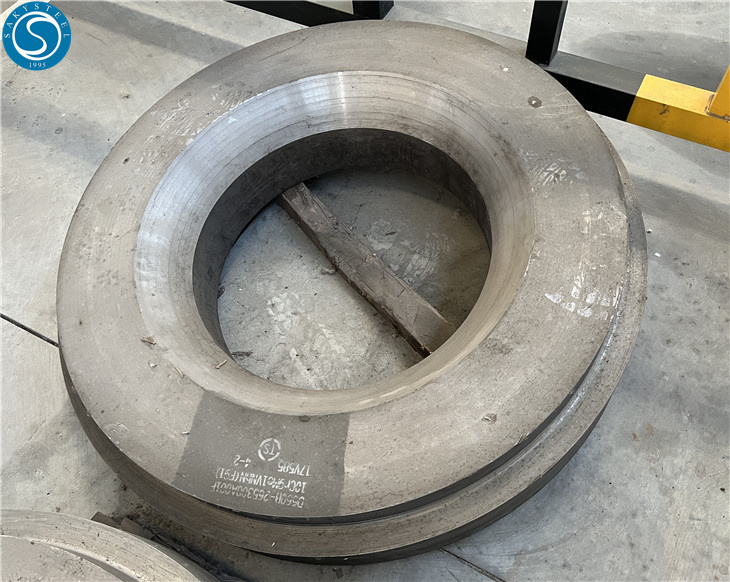
Heat treatment is a critical process in the manufacturing of forgings, directly influencing their mechanical properties, durability, and performance in service. By carefully controlling heating, holding, and cooling operations, manufacturers can achieve specific characteristics such as increased ...Read more »
-
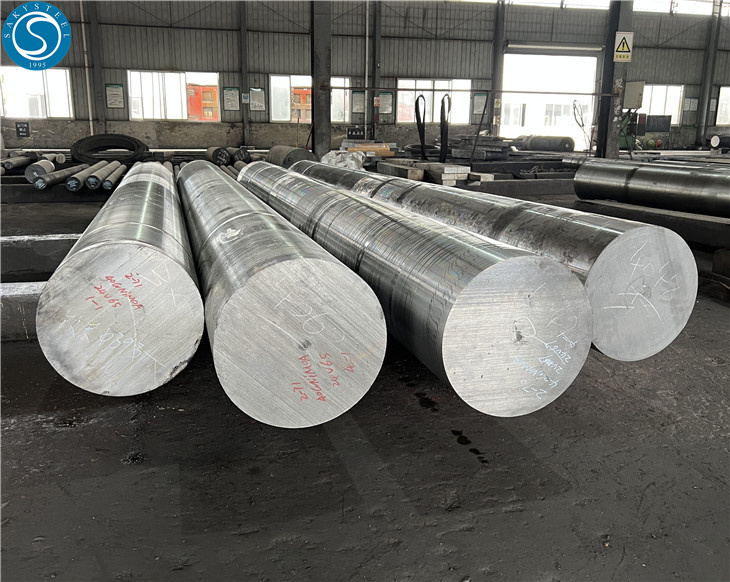
Heavy forgings are large, high-strength components manufactured through the process of forging — shaping metal using compressive forces. They are vital in industries such as energy, shipbuilding, aerospace, defense, oil and gas, and heavy machinery manufacturing. Choosing the right heavy forging ...Read more »
-
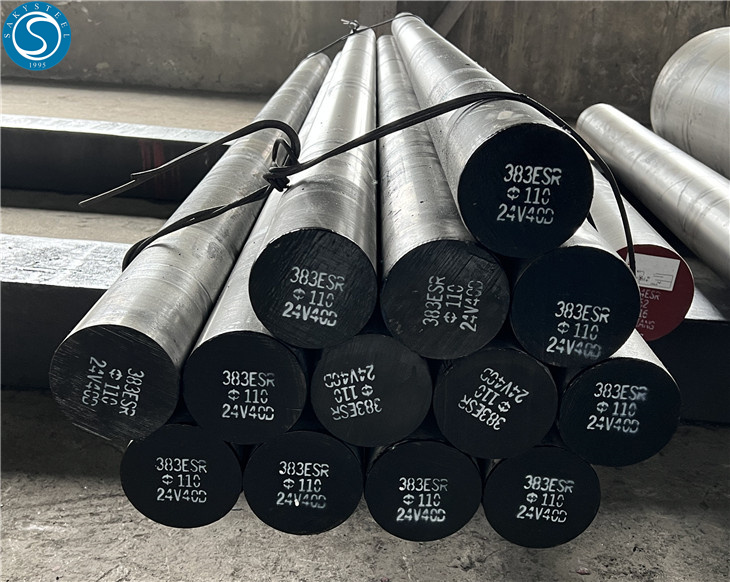
Special steel refers to a group of steel types that have been enhanced with specific alloying elements and manufacturing processes to achieve unique properties that standard carbon steel cannot provide. It is widely used in industries that demand high performance, precision, and reliability, incl...Read more »
-
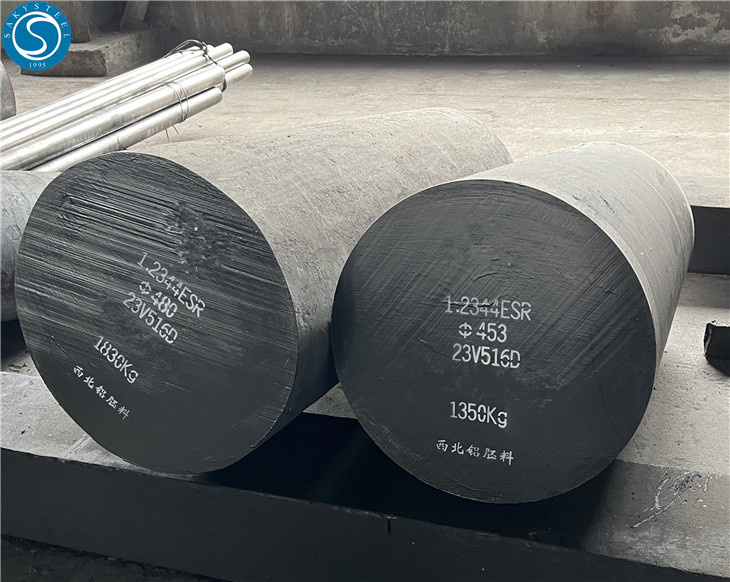
In the world of forging technology, heat treatment plays a critical role in determining the mechanical properties, internal structure, and performance of forged components. Among all the heat treatment processes, a traditional and widely discussed concept in metallurgy—especially in steel forging...Read more »
-
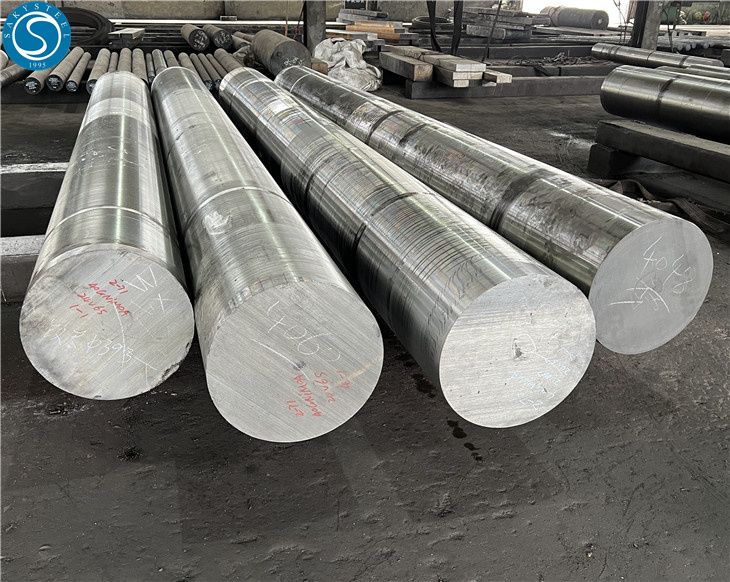
Forgings are widely used in industries that demand strength, reliability, and performance—such as aerospace, automotive, power generation, shipbuilding, and petrochemicals. But producing a forging is only part of the story. To ensure safety and performance in critical applications, the quality of...Read more »