-
The global demand for high strength shipbuilding steel continues to rise, and among the most widely used materials in marine engineering are AH36, DH36, and EH36 steel plates. These grades play a crucial role in offshore structures, hull fabrication, and critical marine components where strength,...Read more »
-
In the field of naval shipbuilding and marine defense, material selection plays a decisive role in ensuring vessel performance, durability, and safety under extreme conditions. Among the materials that have proven indispensable, AH36, DH36, and EH36 high-strength shipbuilding steel plates stand o...Read more »
-
In the global maritime industry, the demand for stronger, lighter, and more durable materials has led to the widespread adoption of high-strength shipbuilding steel plates. These steels, such as AH36, DH36, and EH36, are specifically engineered to provide exceptional performance in harsh marine e...Read more »
-
In the offshore and subsea engineering sectors, structural materials must perform flawlessly under extreme conditions — from high mechanical stress to low temperatures and aggressive saltwater environments. Among the most reliable materials for these demanding applications are DH36 and EH36 steel...Read more »
-
In the demanding world of shipbuilding, where strength, durability, and safety are paramount, the choice of material for hull construction is a defining factor in a vessel’s performance and longevity. Among the marine-grade steels, AH36 steel plate stands out as one of the most trusted and widely...Read more »
-
In the global marine and offshore industries, steel plates play a vital role in ensuring the structural integrity, safety, and longevity of vessels and platforms operating in some of the harshest environments on Earth. Among the most widely used materials are AH36, DH36, and EH36 steel plates, wh...Read more »
-
In the demanding world of shipbuilding and offshore engineering, materials are constantly challenged by extreme environments, including low temperatures, high pressure, and continuous stress from waves and mechanical loads. The structural integrity of ships and offshore platforms depends not only...Read more »
-
In the world of shipbuilding and marine engineering, steel selection plays a decisive role in determining the safety, strength, and durability of vessels and offshore structures. The marine environment subjects materials to extreme conditions — saltwater corrosion, heavy dynamic loads, low temper...Read more »
-
In the field of shipbuilding and offshore engineering, structural materials are exposed to some of the harshest conditions imaginable — high stress, dynamic loads, and corrosive seawater environments. A material’s ability to perform reliably under such conditions is defined by two fundamental cha...Read more »
-
In the demanding world of marine engineering and shipbuilding, structural integrity, safety, and performance are non-negotiable. Ships and offshore structures operate in some of the harshest environments on Earth — exposed to saltwater corrosion, extreme pressure, high impact loads, and temperatu...Read more »
-
In the shipbuilding and marine engineering industries, the choice of material directly impacts the safety, strength, and longevity of a vessel. With ships facing relentless exposure to seawater, high mechanical stresses, and fluctuating temperatures, only the most durable and corrosion-resistant ...Read more »
-
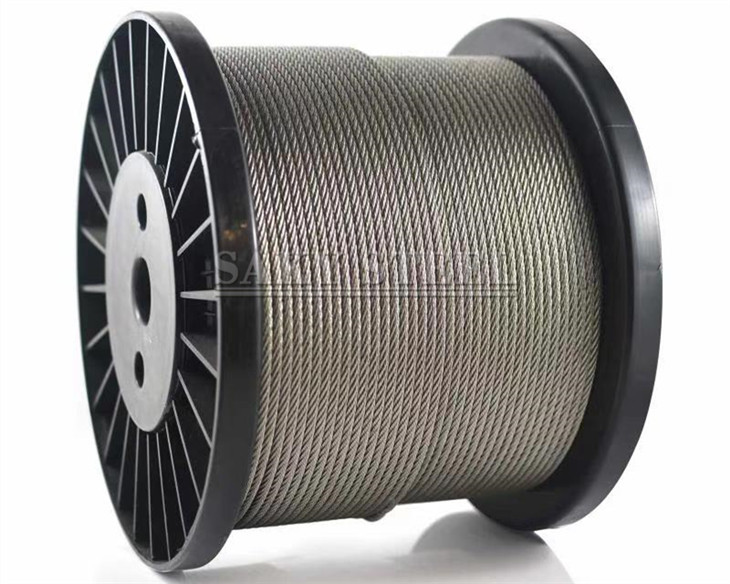
As industries advance toward greater efficiency, sustainability, and durability, material selection plays a crucial role in engineering design. Among the various materials used today, 2205 Duplex Stainless Steel Wire Rope has become a cornerstone in modern engineering solutions. It combines super...Read more »
-
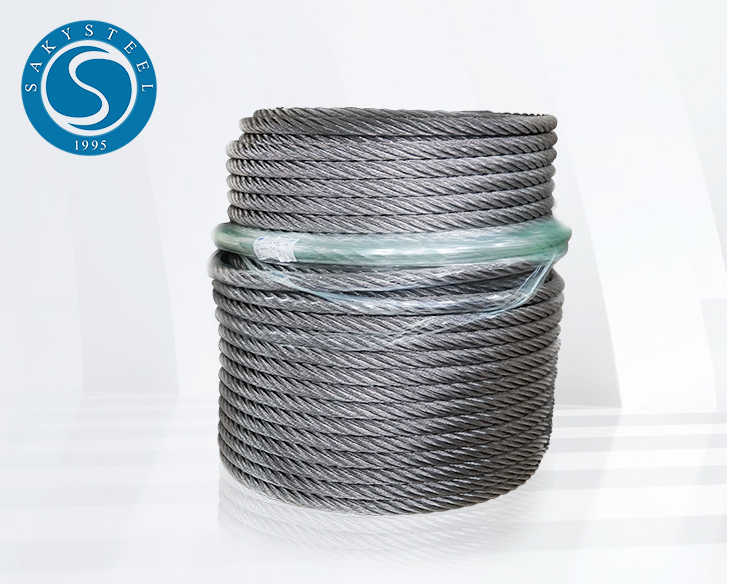
When it comes to wire rope applications in marine, oil, chemical, and industrial environments, material selection determines performance, safety, and cost efficiency. The three most commonly used stainless steel grades for wire ropes are 304, 316, and 2205 Duplex. While 304 and 316 have long been...Read more »
-
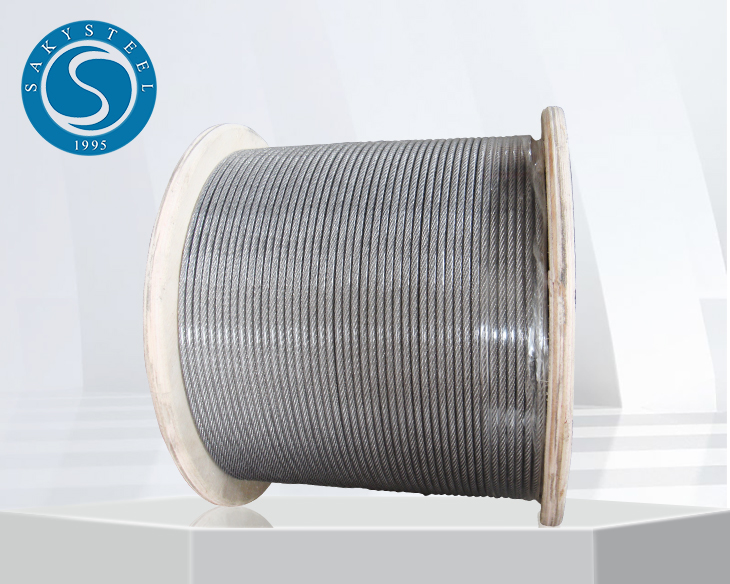
In the modern industrial world, stainless steel wire ropes play a vital role in ensuring strength, safety, and durability in various sectors — from marine engineering to chemical processing and offshore oil exploration. Among the many stainless steel options available, 2205 Duplex Stainless Steel...Read more »
-
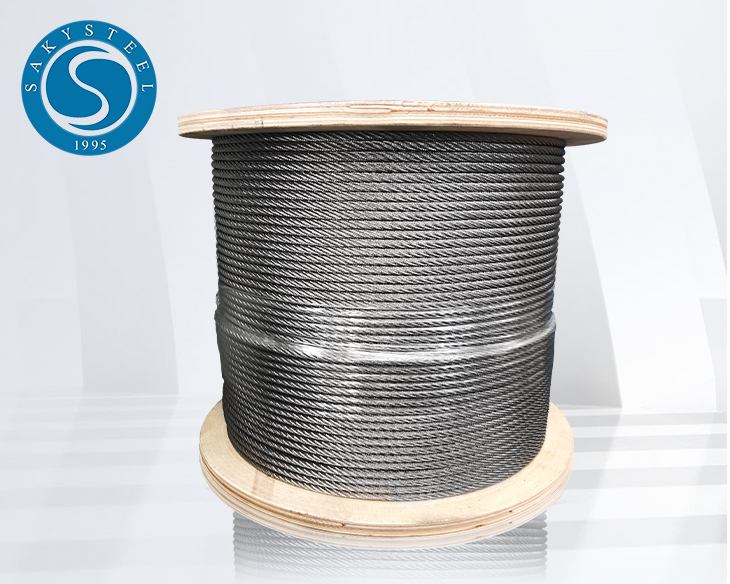
In demanding environments such as chemical processing plants and oil refineries, corrosion resistance, mechanical strength, and durability are critical factors for material selection. Among the many stainless steel materials available, 2205 Duplex Stainless Steel Wire Rope has become a top choice...Read more »