EP Electropolished Stainless Steel Clean Tube
Short Description:
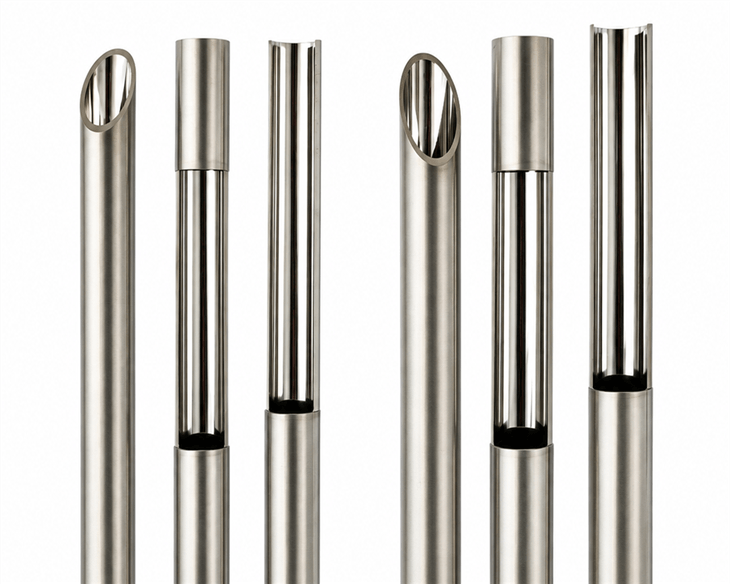
EP electropolished stainless steel clean tube supplied in 304L and 316L with project-specific dimensions, internal Ra acceptance, cleaning, end protection and inspection documentation. Send the required grade, OD, wall thickness, length, Ra limit, cleaning and packaging level for quotation.
EP Electropolished Stainless Steel Clean Tube Overview
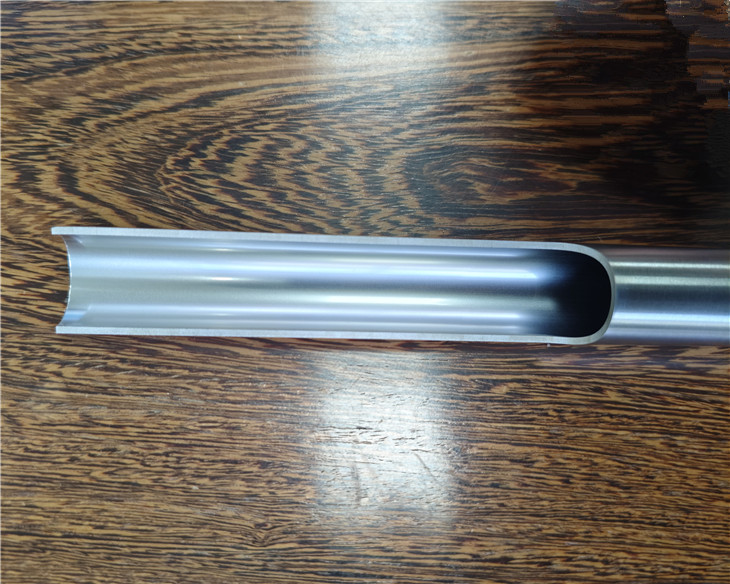
SAKYSTEEL supplies 304L and 316L electropolished stainless steel clean tubing for clean-fluid systems that require an EP internal surface. Electropolishing removes a controlled layer of metal to improve the microscopic surface condition. It is selected for projects that place particular importance on the wetted surface, including specified high-purity gas and liquid systems. The tube is defined by its material, EP surface acceptance, cleaning and protected delivery condition.
Quick Information
Common materials: 304 / 304L and 316 / 316L
Product-contact surface: Electropolished internal surface; any external finish specified separately
Common sizes: 1/4–1 in. OD in the combinations below; metric examples also listed
Surface acceptance: Required maximum Ra, measurement basis and additional surface criteria stated in the order
Clean delivery: Post-treatment cleaning, drying, end protection and packaging matched to the project specification
Benefits of the Electropolished Internal Surface
- Microscopic surface improvement: Controlled electrochemical removal can reduce surface micro-peaks. The result depends on the starting tube surface and the electropolishing process; final acceptance is based on inspection.
- Support for a passive stainless surface: Under suitable processing conditions, electropolishing removes surface free iron and supports passivation. It does not make the selected stainless steel grade compatible with every chemical medium.
- Improved cleanability: A suitably finished internal surface supports effective cleaning. Subsequent rinsing, drying and contamination control remain essential to the delivered condition.
- A measurable surface specification: An EP tube can be purchased against defined roughness and other surface acceptance criteria, alongside the material and dimensional requirements needed for the installation.
Common Sizes for Quotation
The common OD and wall combinations below provide a starting point for quotation. BA and EP tubing may use the same dimensions; their distinction is the surface treatment and acceptance requirements, rather than a different OD series.
| Tube OD (in.) | Tube OD (mm) | Wall (in.) | Wall (mm) |
|---|---|---|---|
| 1/4 | 6.35 | 0.035 | 0.89 |
| 3/8 | 9.53 | 0.035 | 0.89 |
| 1/2 | 12.70 | 0.049 | 1.24 |
| 3/4 | 19.05 | 0.065 | 1.65 |
| 1 | 25.40 | 0.065 | 1.65 |
Metric size examples: 6 × 1.0, 8 × 1.0, 10 × 1.0 and 12 × 1.0 mm (OD × wall). A 6 m length or your required cut length can be quoted. Inch and metric sizes are separate ordering choices; rounded conversions are for reference. These examples do not indicate current stock or a pressure rating.
Common Stainless Steel Grades
BA and EP clean tubing can be supplied in common austenitic grades. Grade selection must match the process medium, cleaning chemistry, temperature and corrosion requirements.
| Grade | Typical Selection Consideration |
|---|---|
| 304 / 304L | General clean gas and fluid service where the process environment permits. |
| 316 / 316L | Often selected when greater resistance to chlorides or process chemicals is required. |
Material, Surface and Cleanliness Are Separate Requirements
| Requirement | What it establishes |
|---|---|
| Tube material and construction | 304 / 304L or 316 / 316L, seamless or welded construction, and the specified dimensional and material standard, such as ASTM A269. |
| ASTM A632, where applicable | An option only within its small-size scope: OD from 0.050 in. to under 1/2 in., and wall from 0.005 in. to under 0.065 in. It is not a blanket standard for the listed size range. |
| Electropolished surface | The required internal treatment, maximum Ra and inspection basis. Specify outside finish separately if it matters to the project. |
| SEMI F20, when required | Additional material requirements for the specified semiconductor application; EP processing alone does not demonstrate material compliance. |
| SEMI F19, when required | Wetted-surface characterization and acceptance criteria. Confirm the applicable tests and records instead of treating an Ra result as complete F19 verification. |
| Cleanliness and packaging | The required controls for particles, moisture or residues, together with cleaning, drying, handling and protective packaging. |
How to Specify and Verify an EP Surface
State whether the Ra limit is a maximum acceptance value or a process-average value, and identify the units, measurement method and sampling coverage. Results expressed in micrometres and microinches should not be confused. Inspection coverage should address the surfaces required by the project.
For critical service, roughness is only one part of acceptance. The specification may also address surface defects, surface chemistry and contamination. Identify the tests and records needed for your application so that the inspection scope can be included in the quotation.
Typical Applications
- Semiconductor gas distribution: High-purity and ultra-high-purity projects specifying EP tubing with the necessary material and contamination controls.
- High-purity liquid and chemical delivery: Systems where the selected stainless steel grade is compatible with the actual chemical, concentration and temperature.
- Critical laboratory and analytical lines: Applications requiring a defined product-contact surface and controlled clean delivery.
- Pharmaceutical and biotechnology equipment: Projects specifying EP tubing together with their applicable sanitary, dimensional or BPE requirements.
Frequently Asked Questions
How does EP differ from mechanical polishing?
Mechanical polishing removes material using abrasives. Electropolishing removes material electrochemically and changes the microscopic surface condition. A reflective appearance alone does not show which process was used or whether the surface meets the specification.
Does lower Ra always mean cleaner tubing?
No. Ra describes surface roughness, not the amount of particles, moisture, oil or chemical residue present. Surface finish and cleanliness need separate acceptance criteria where the application requires them.
Does electropolishing make any stainless steel tube semiconductor grade?
No. The starting material, tube manufacture, surface condition, cleaning and packaging all remain relevant. Where SEMI F20 or F19 applies, confirm the corresponding material or surface requirements and supporting records.
Is every EP tube better than every BA tube?
Selection depends on the project. EP adds a specific surface-treatment step, but final quality also depends on the starting tube and process control. Compare verified material, surface and cleanliness specifications rather than relying on the finish names alone.
Can EP tubing also be ASTM A270 sanitary tubing?
Yes. EP is a treatment, while A270 is a sanitary tubing specification. A project can require both. Identify the sanitary dimensions and any BPE requirements when requesting EP tubing for hygienic processing.
Why do cleaning and packaging matter after electropolishing?
Electropolishing is followed by appropriate cleaning and rinsing to remove processing residues. Drying, end protection and packing then help preserve the delivered condition. Transport, unpacking and installation must avoid recontaminating the internal surface.
Inspection, Protection and Delivery
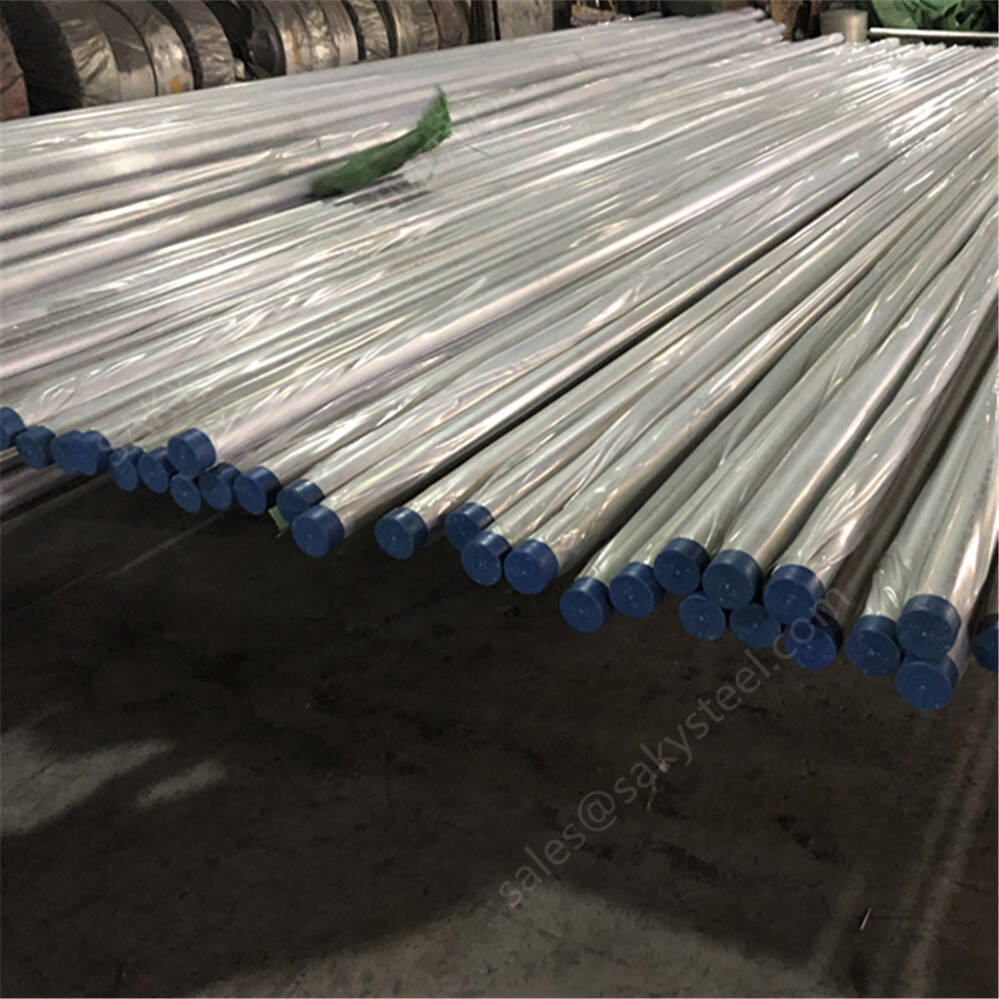
Request the material and traceability documents, dimensional records and surface reports required by the project. Agree the roughness inspection scope and any additional surface or cleanliness verification before production. Specify the cleaning, drying, cap and bagging requirements. If the project requires a particular cleanroom packing class or quantitative contamination limits, include these requirements in your inquiry.
Request an EP Electropolished Clean Tube Quote
Send the OD × wall, length, quantity, construction and service medium. Include the internal Ra limit, EP and surface acceptance criteria, material standard, end preparation, cleaning and packaging requirements, and required inspection records.