-
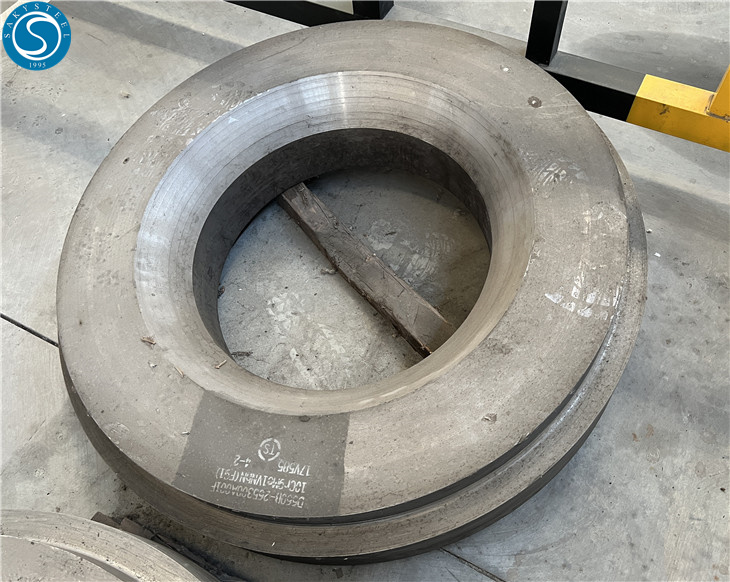
Forging is a widely used metalworking process that shapes metal using compressive force. It is essential in producing high-strength components such as flanges, shafts, gears, bars, and rings across industries like aerospace, automotive, oil and gas, and machinery manufacturing. Despite its benefi...Read more »
-
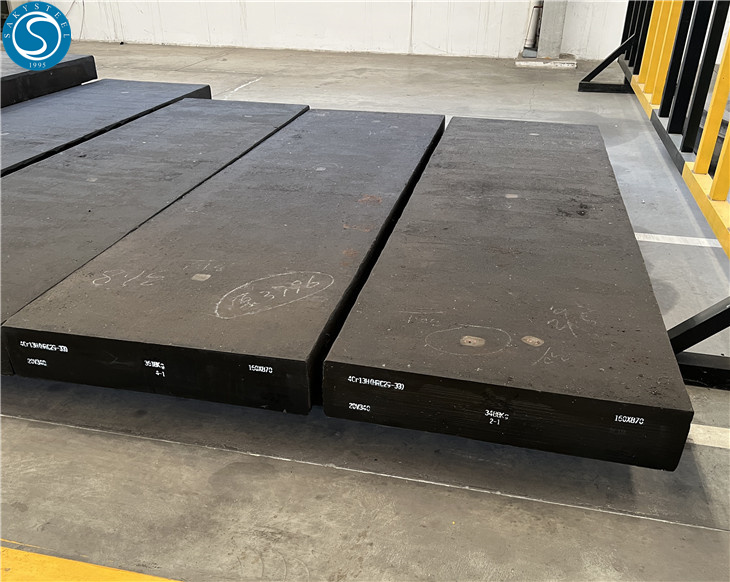
Tool steel is essential to the success of precision machining, metal stamping, die making, and a wide range of industrial applications. Among the many tool steel types available, A2 and D2 are two of the most commonly used. Engineers, procurement specialists, and tool designers often face the que...Read more »
-
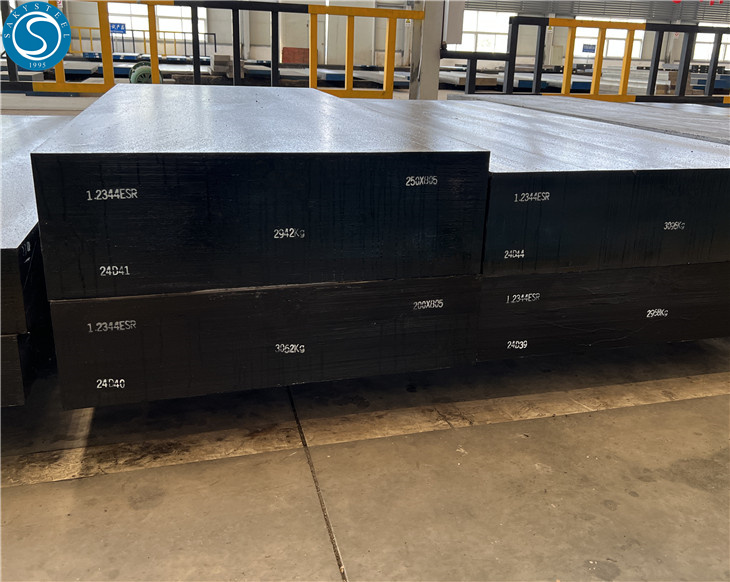
Tool steel is the backbone of countless industries, especially in mold making, die casting, hot forging, and extrusion tooling. Among the many grades available, 1.2343 tool steel is known for its excellent hot strength, toughness, and thermal fatigue resistance. However, in global trade and engin...Read more »
-
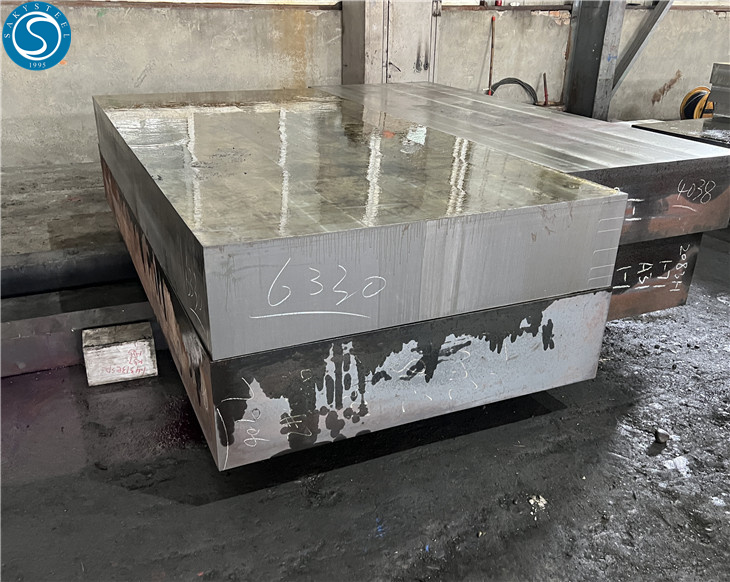
In the world of high-performance tooling materials, tool steels play a vital role in meeting demanding mechanical, thermal, and wear-resistance requirements. Among them, 1.2767 tool steel stands out as a premium-grade alloy used in heavy-duty applications. Known for its high hardness, excellent t...Read more »
-
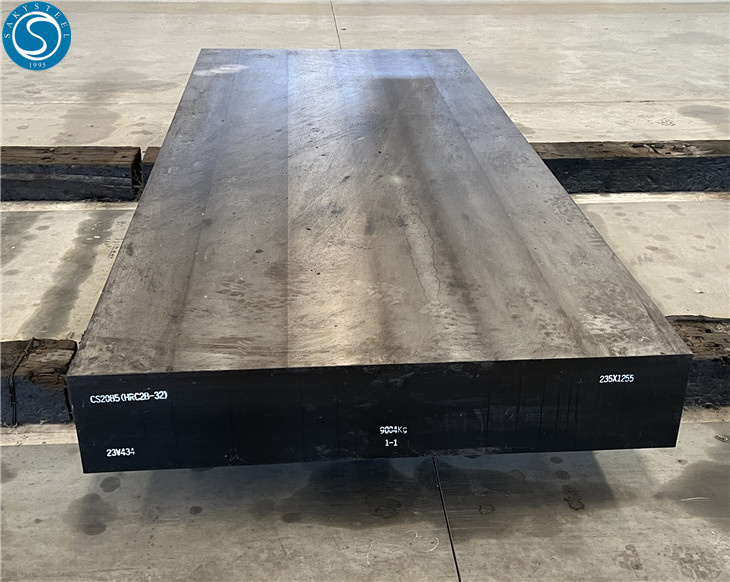
Tool steels are crucial in the manufacturing and mold-making industries due to their excellent strength, hardness, and resistance to deformation at high temperatures. One widely used tool steel grade is 1.2311, which is known for its good polishability, machinability, and uniform hardness. For in...Read more »
-
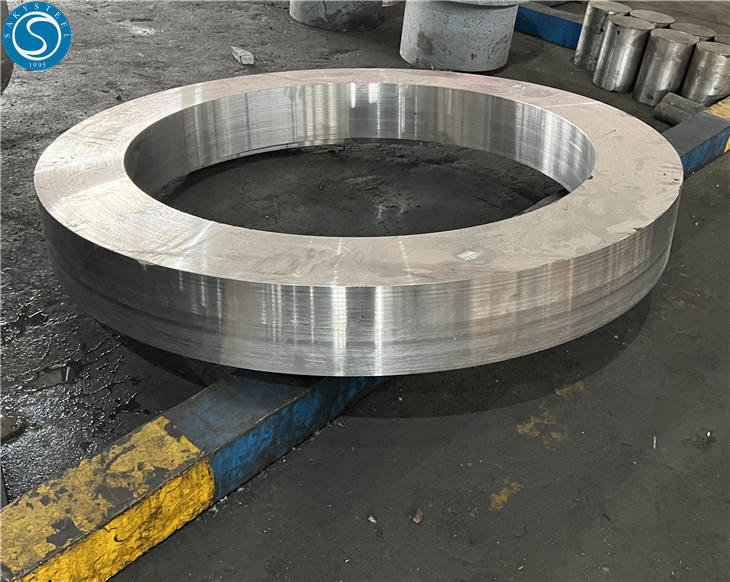
Forging is a critical manufacturing process used to produce parts with high strength, excellent fatigue resistance, and structural reliability. However, not all forged components are created equal. Identifying the quality of forging is essential to ensure safety, performance, and compliance with ...Read more »
-
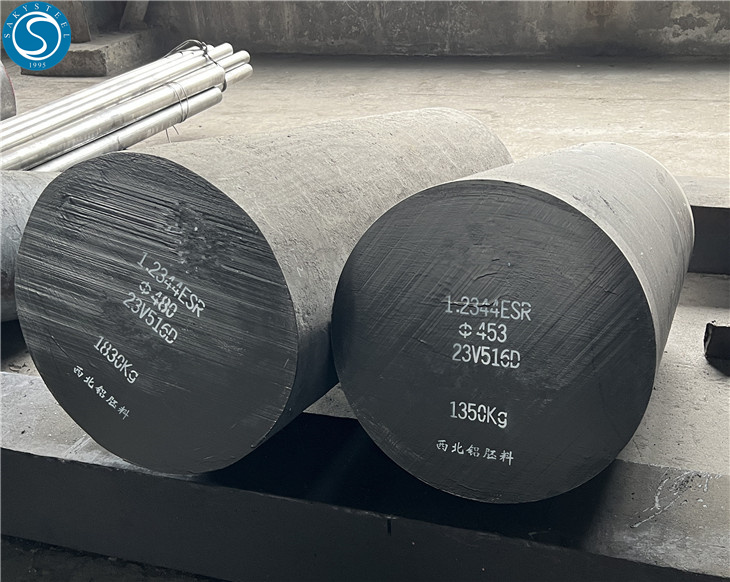
Forging and stamping are two major metal forming technologies that play a vital role in modern manufacturing. When combined or compared within industrial production, forging stamping processes bring out distinct technological characteristics that offer improved mechanical strength, cost-effective...Read more »
-
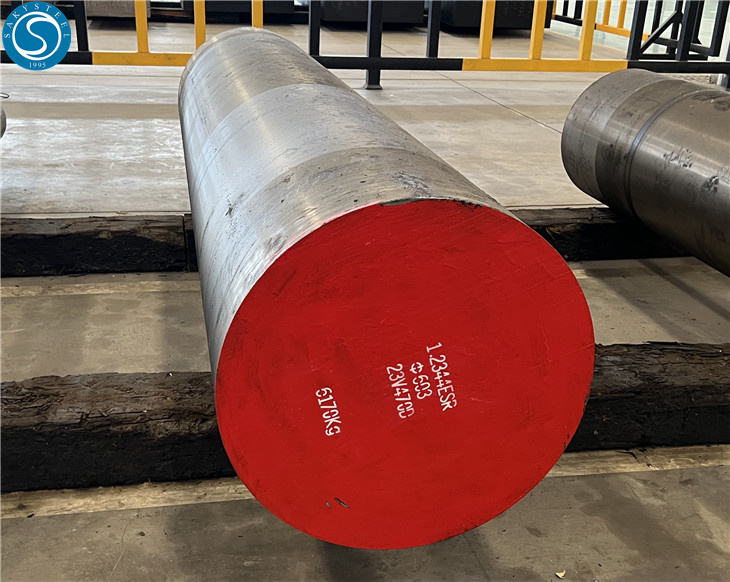
Forging is a critical metal forming process used to manufacture high-performance components for industries such as aerospace, automotive, oil and gas, energy, and machinery. The performance and reliability of forged parts heavily depend on the quality of the raw materials used. Any inconsistency ...Read more »
-
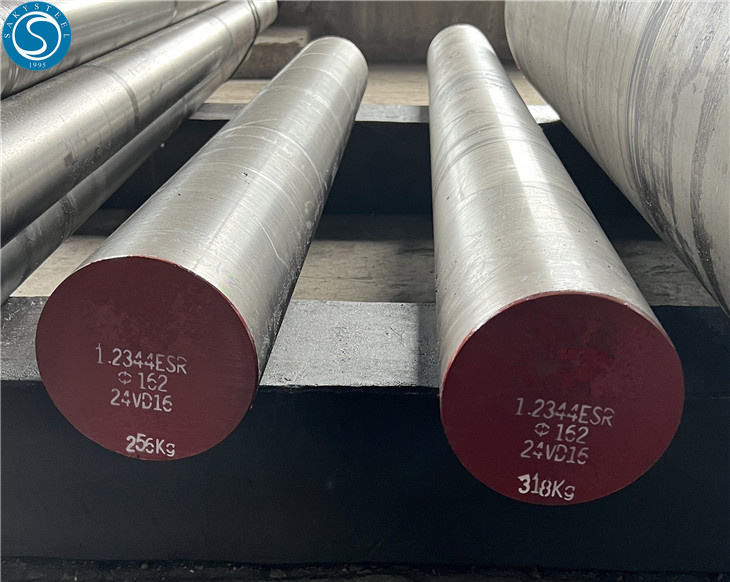
Forging is one of the oldest and most reliable metal forming processes used in modern industrial manufacturing. It involves shaping metal using localized compressive forces, typically delivered by hammering, pressing, or rolling. The products derived from forging are known for their superior mech...Read more »
-
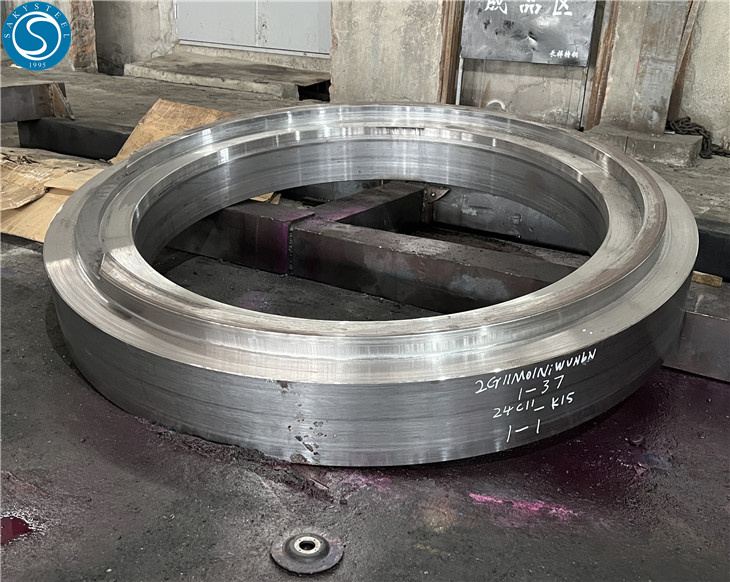
Hydrogen embrittlement is a critical concern in the production and post-treatment of forgings, especially those made of high-strength steels, stainless steels, and titanium alloys. The presence of hydrogen atoms trapped in the metal structure can lead to cracking, reduced ductility, and unexpecte...Read more »
-
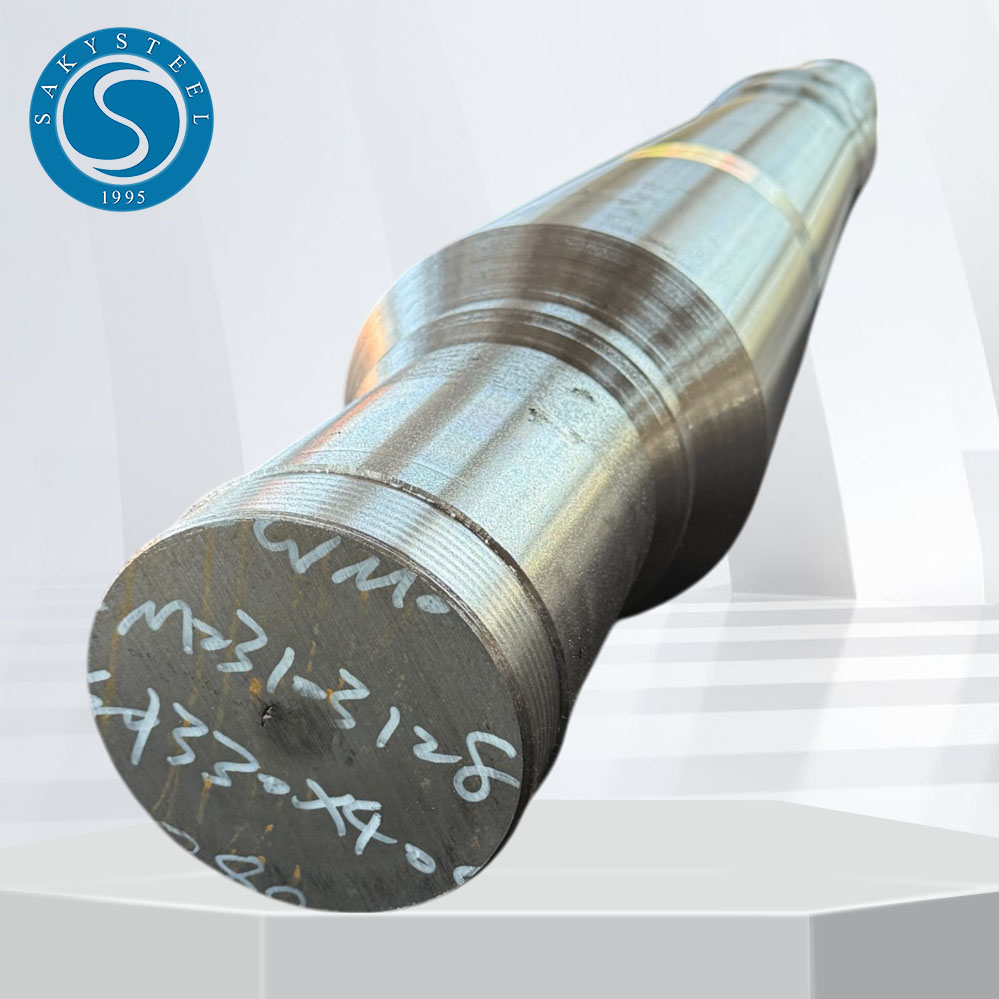
Stainless steel forgings are widely used in industries such as petrochemical, aerospace, automotive, construction, and food processing. These components are valued for their corrosion resistance, strength, and durability. However, to achieve optimal performance, stainless steel forgings often req...Read more »
-
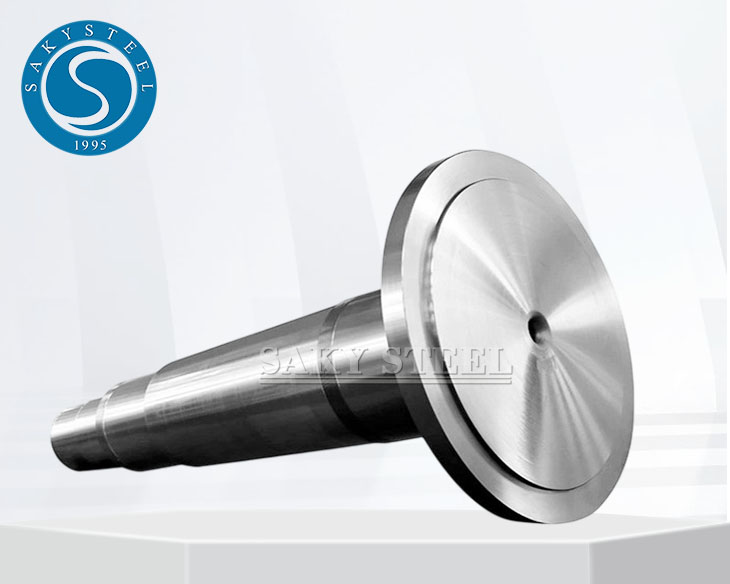
Forging is a fundamental metal forming process that plays a critical role in manufacturing strong and durable components across various industries. From automotive crankshafts and aerospace brackets to construction fasteners and oilfield tools, forged parts are known for their excellent mechanica...Read more »
-
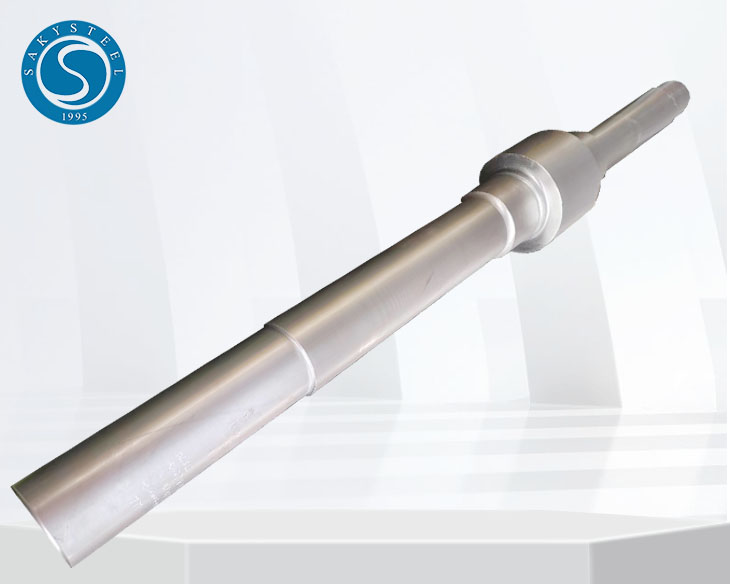
When it comes to metalworking and manufacturing, casting and forging are two foundational processes used to shape metal into functional components. Both methods have their advantages and disadvantages and are suited for different applications, environments, and performance expectations. Understan...Read more »
-
Forging is a widely adopted manufacturing process used to shape metals under high pressure. It is known for producing strong, reliable, and defect-resistant components that are essential in high-performance industries such as automotive, aerospace, oil and gas, construction, and machinery. Howeve...Read more »
-
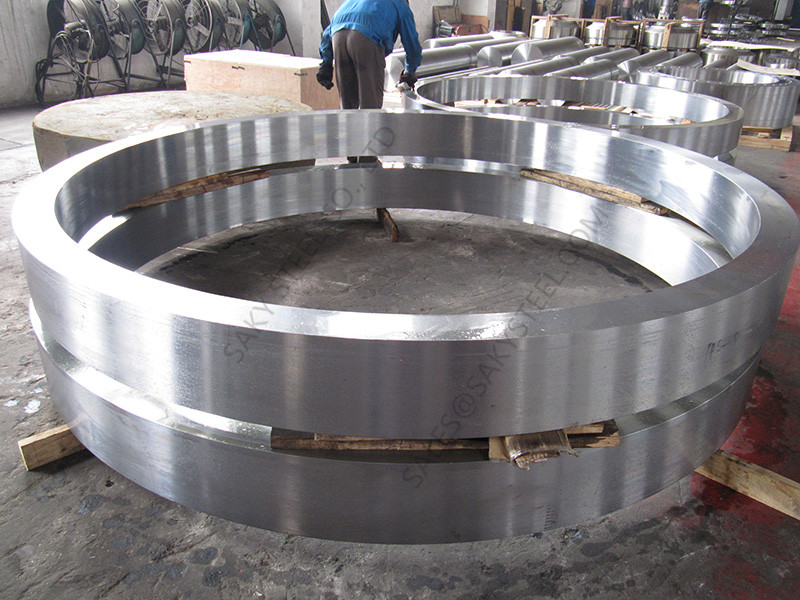
Forging is one of the oldest and most trusted metalworking processes, used to shape metal using compressive forces. It enhances mechanical properties, refines grain structures, and eliminates defects, making forged components ideal for demanding applications such as aerospace, automotive, power g...Read more »