-
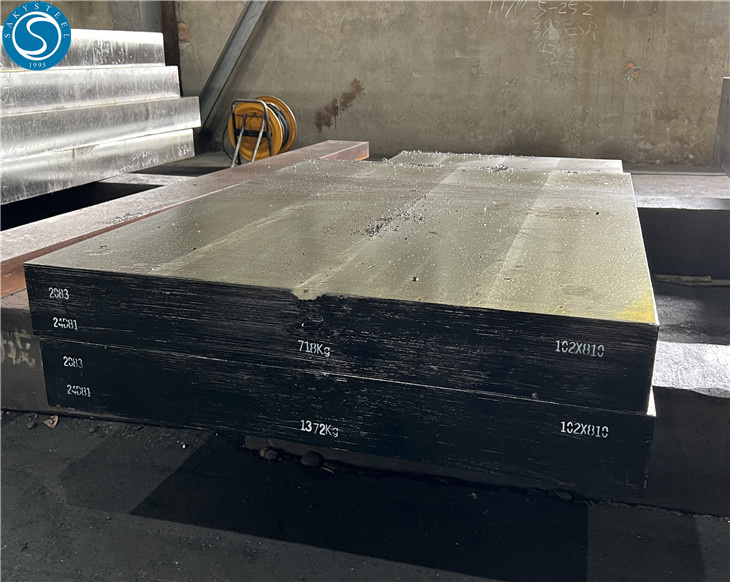
When it comes to high-performance steels for knives, cutting tools, bearings, and precision components, 440C stainless steel and D2 tool steel are two popular choices. Both materials are known for their hardness, wear resistance, and durability, but they differ in composition, corrosion resistanc...Read more »
-
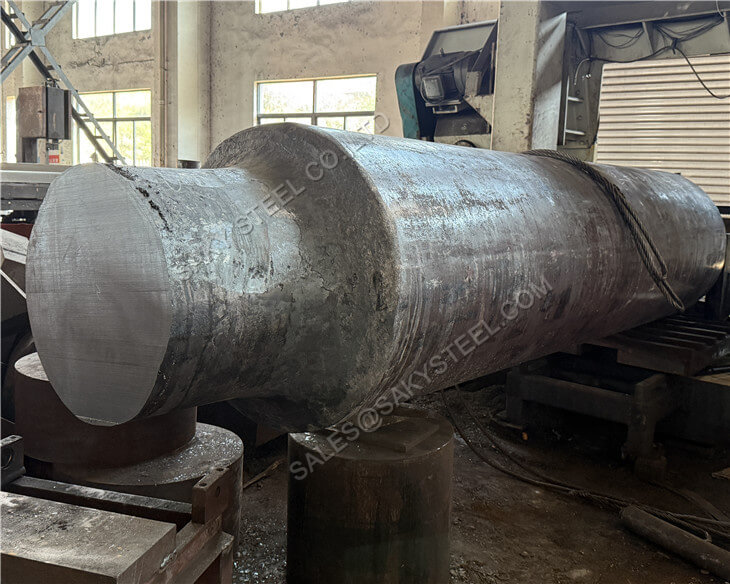
Steel is one of the most widely used materials in the world, valued for its strength, durability, and versatility. However, the manufacturing process used to produce steel components plays a critical role in determining their properties and performance. Two of the most common production methods a...Read more »
-
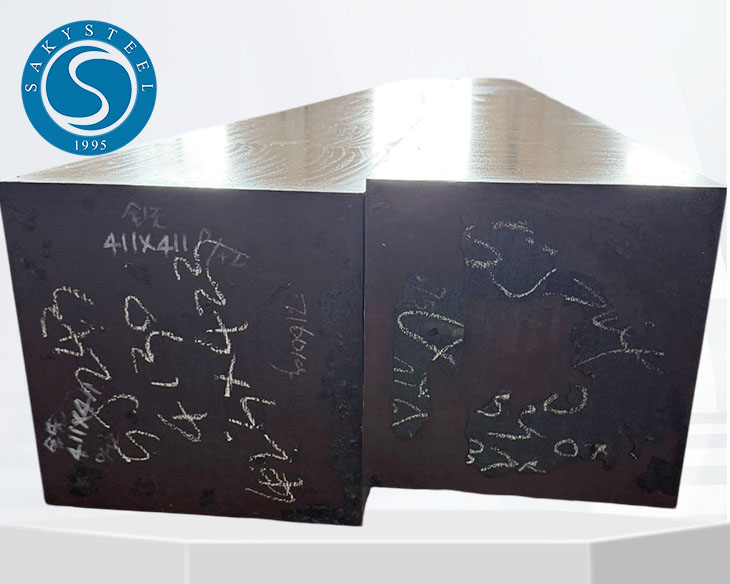
Introduction D2 steel and 8Cr13MoV steel are both widely used blade and tool materials, but they are designed for different performance requirements. D2 steel is a high-carbon, high-chromium tool steel known for excellent wear resistance and high hardness, while 8Cr13MoV is a martensitic stainle...Read more »
-
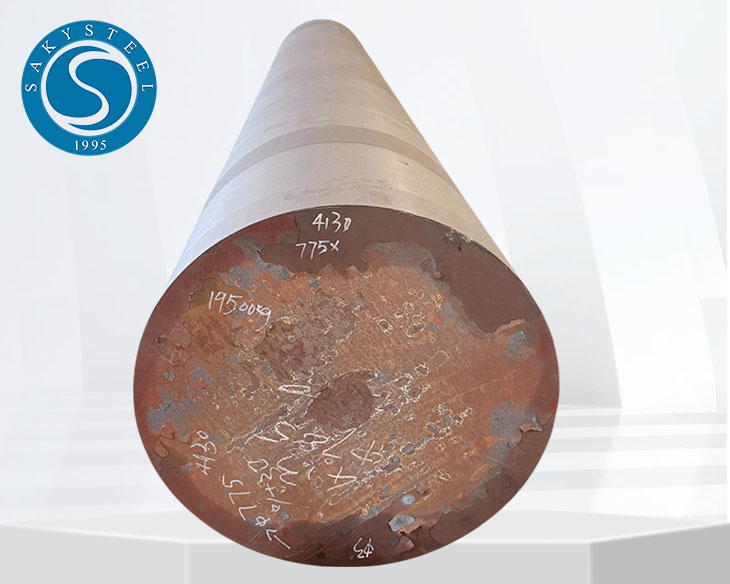
4130 steel, also known as Chromoly steel (chromium-molybdenum steel), is a low-alloy steel that has become a popular material in aerospace, automotive, motorsports, oil and gas, and manufacturing industries. Known for its combination of strength, toughness, weldability, and machinability, 4130 st...Read more »
-
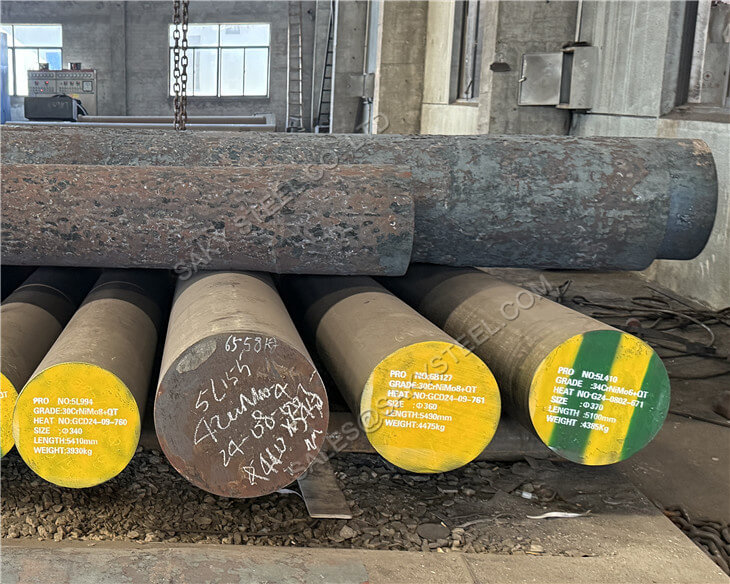
In the world of metallurgy and material science, hardness is one of the most critical properties used to evaluate the quality and performance of a material. Hardness tests measure a material’s resistance to deformation, scratching, or indentation. Among the many hardness testing methods, the Brin...Read more »
-
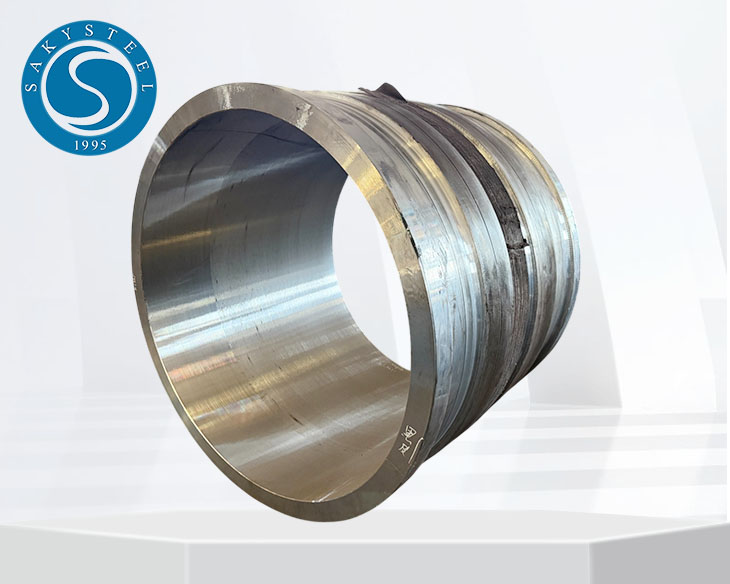
Heat treatment is a critical industrial process used to alter the physical and mechanical properties of metals and alloys without changing their shapes. By carefully controlling heating and cooling cycles, manufacturers can improve strength, hardness, ductility, and wear resistance to meet specif...Read more »
-
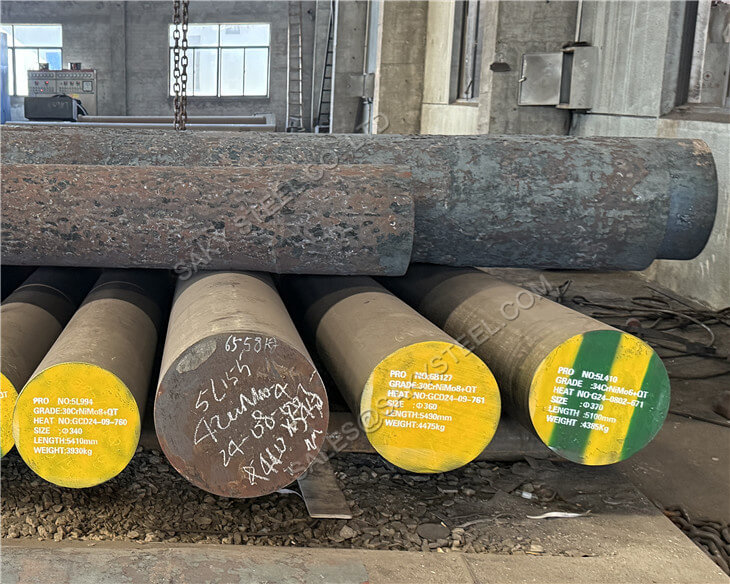
Forging is one of the most important metalworking processes used to create high-strength, high-performance components. It involves shaping metal through compressive forces, which improves mechanical properties, refines grain structure, and enhances durability. Among forging methods, hot forging a...Read more »
-
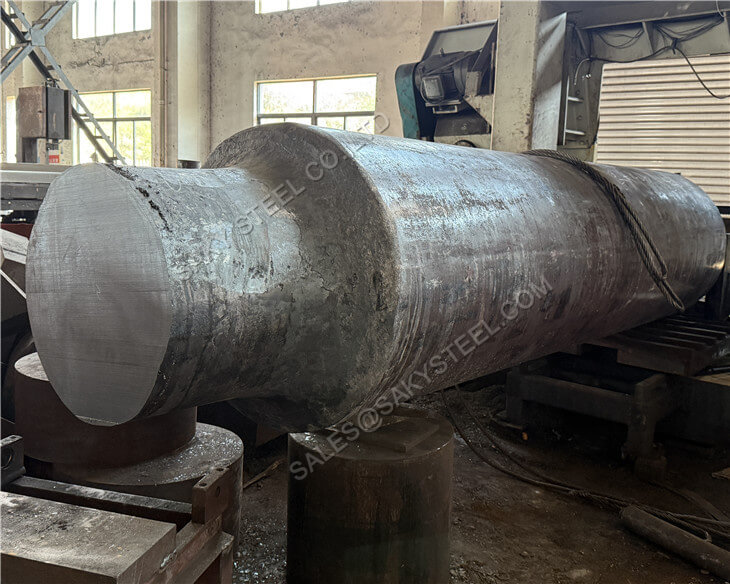
Forging is a manufacturing process that shapes metal through compressive forces, producing components with exceptional strength and durability. Because forgings are often used in critical applications such as aerospace, automotive, oil and gas, and power generation, ensuring their quality is esse...Read more »
-
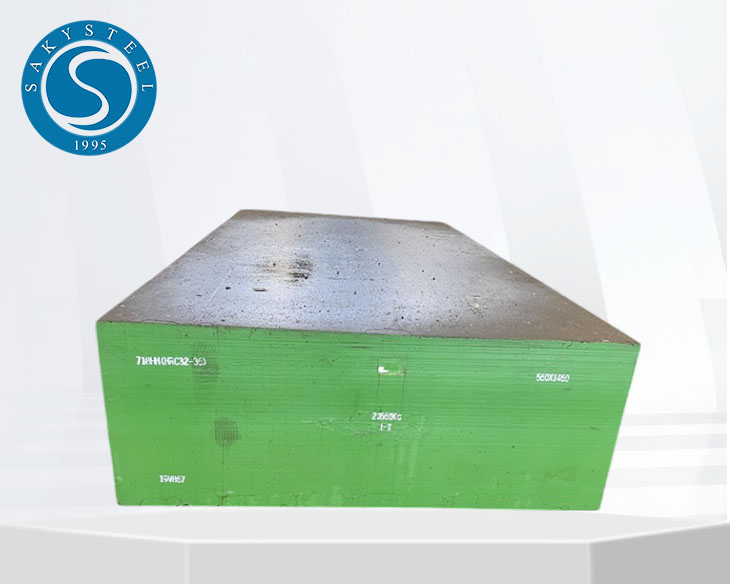
Forging is one of the oldest and most reliable methods of shaping metal, used for producing components with exceptional strength, toughness, and reliability. In industries such as automotive, aerospace, energy, and heavy machinery, forged parts are essential for critical applications where failur...Read more »
-
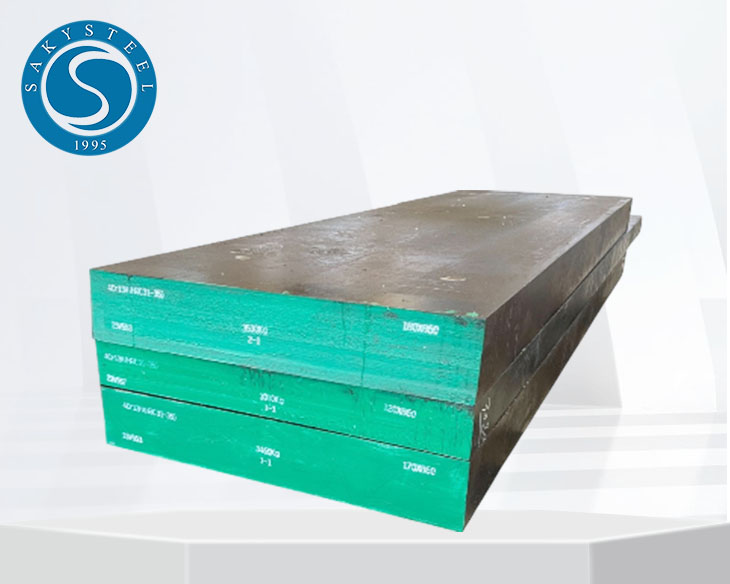
SKD11 tool steel is one of the most widely used cold work tool steels in industrial manufacturing. It belongs to the high-carbon, high-chromium alloy steel family and is well known for its excellent wear resistance, high hardness, and dimensional stability after heat treatment. The Japanese Indus...Read more »
-
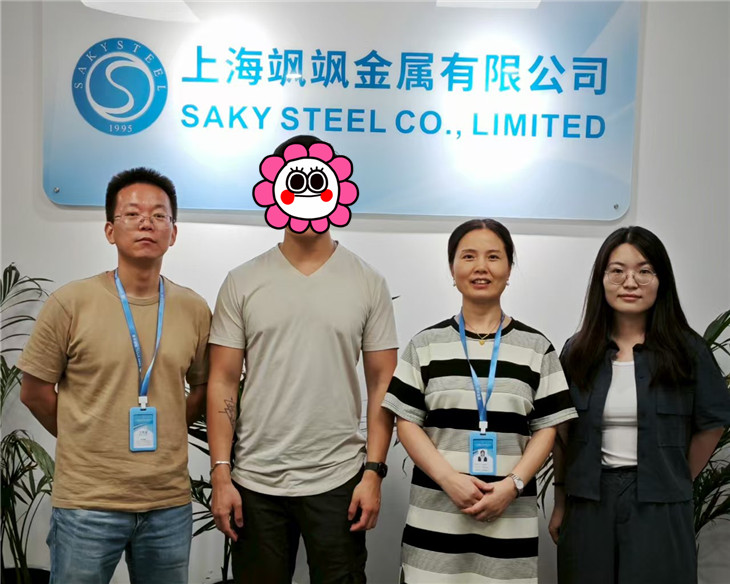
In early August 2025, our company welcomed an important client from the United States. The purpose of the visit was to conduct an on-site inspection of our production capacity and machining capabilities for high-performance nickel-based alloys, including C22, C276, and Inconel 625, and to engage ...Read more »
-
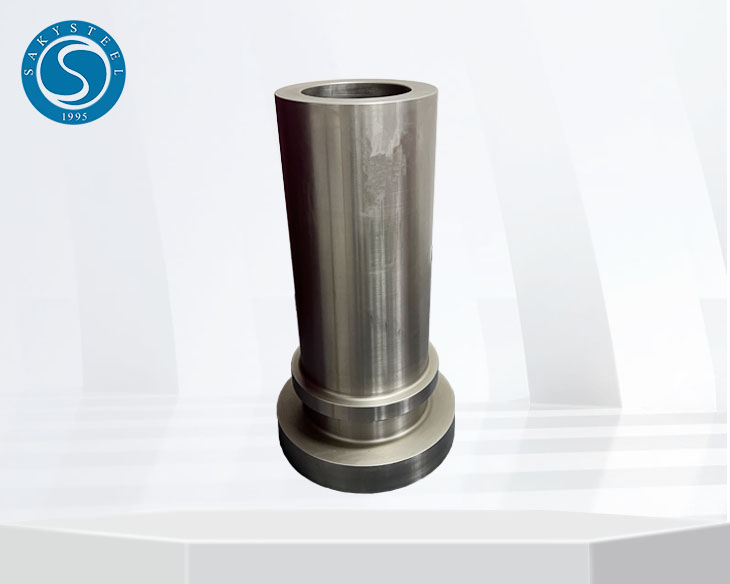
Precision forging is an advanced metal forming process that produces components with near-net shapes, high dimensional accuracy, and superior mechanical properties. Unlike conventional forging, which may require extensive machining after forming, precision forging minimizes post-processing, reduc...Read more »
-
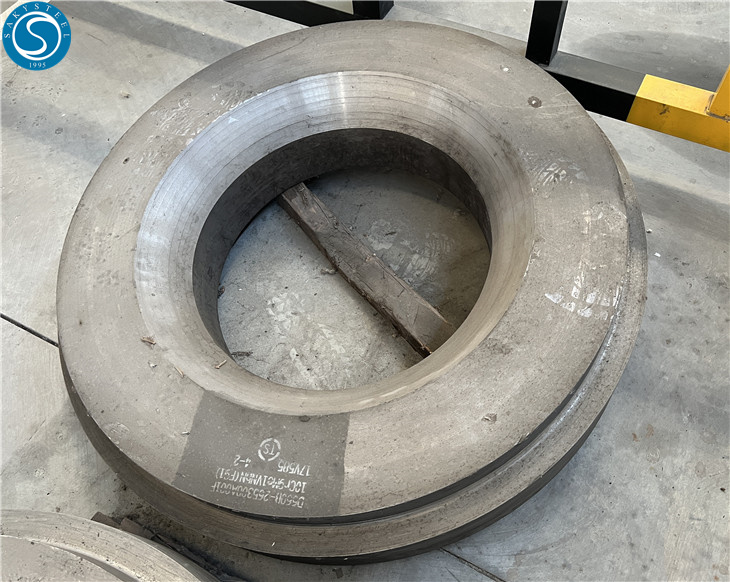
Forging molds, also known as forging dies, are essential tools used in the metal forging process to shape raw metal into the desired dimensions and profiles. The design, material, and category of the forging mold directly influence the accuracy, strength, and production efficiency of the final pr...Read more »
-
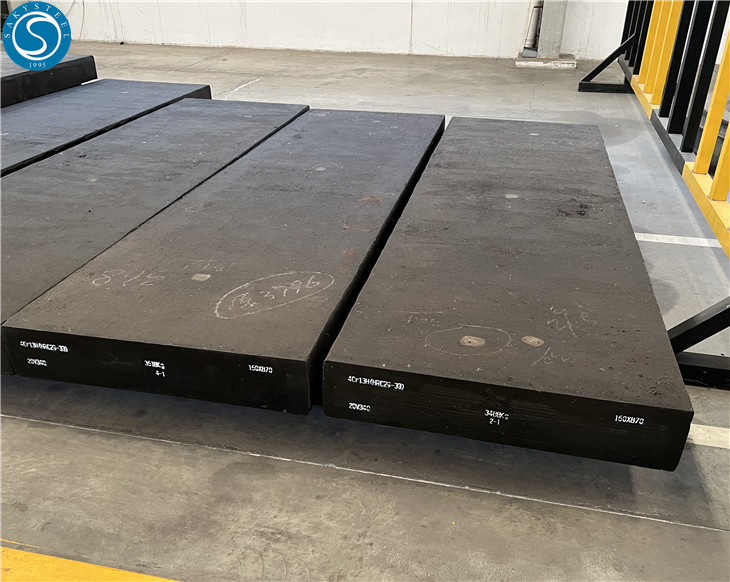
Forging heat treatment is a critical step in the manufacturing process of steel and other metal components. It directly affects the mechanical properties, structural integrity, and service life of the finished product. Before initiating heat treatment, careful preparation is essential to ensure o...Read more »
-
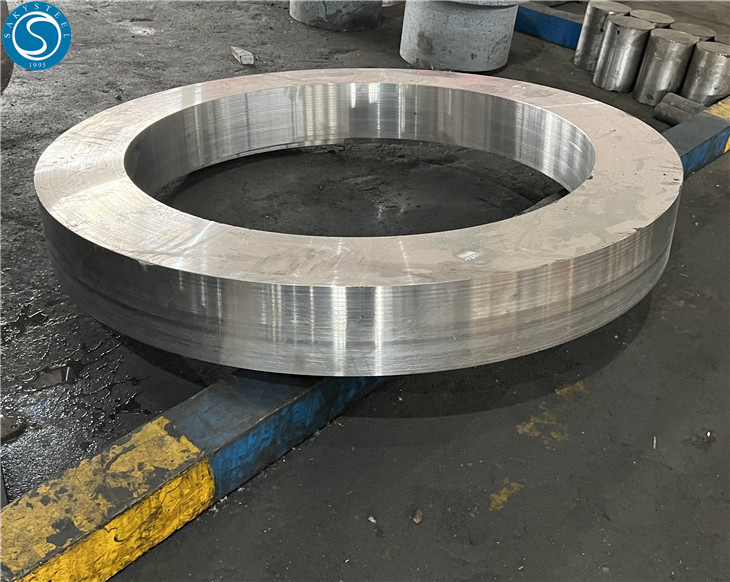
Steel is one of the most versatile and widely used materials for forging applications. Its ability to be shaped under compressive forces, combined with high strength and durability, makes it essential for producing critical components in automotive, aerospace, energy, and construction industries....Read more »