-
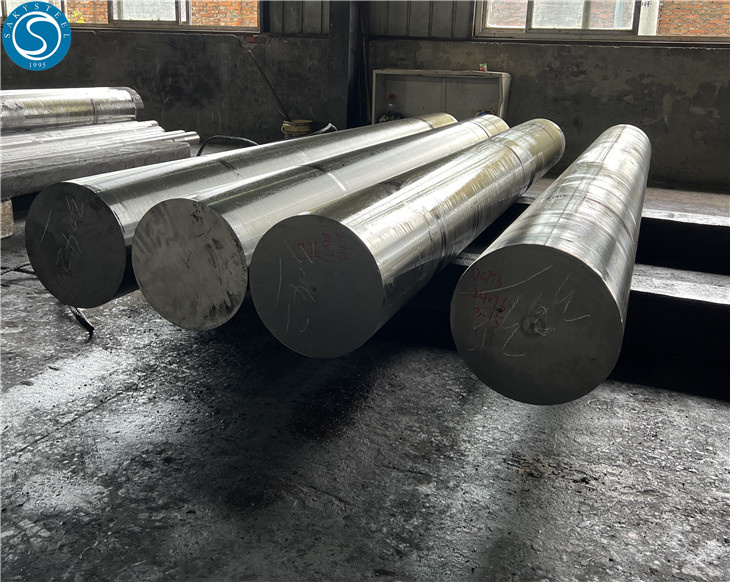
.saky-news-optimized{font-family:Poppins,Arial,sans-serif;font-size:14px;line-height:1.8;color:#222}.saky-news-optimized p,.saky-news-optimized li,.saky-news-optimized td,.saky-news-optimized th,.saky-news-optimized a{font-size:14px;line-height:1.8}.saky-news-optimized h2{background:#1f78b4;colo...Read more »
-
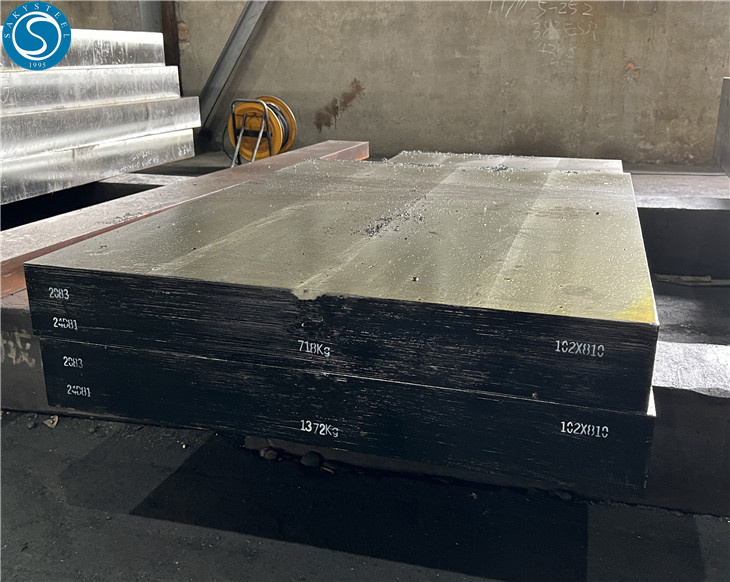
In the world of metallurgy and manufacturing, steel remains one of the most versatile and widely used materials. Among the various categories, carbon steel and tool steel are two of the most important, each with distinct properties and applications. Understanding the differences between them is c...Read more »
-
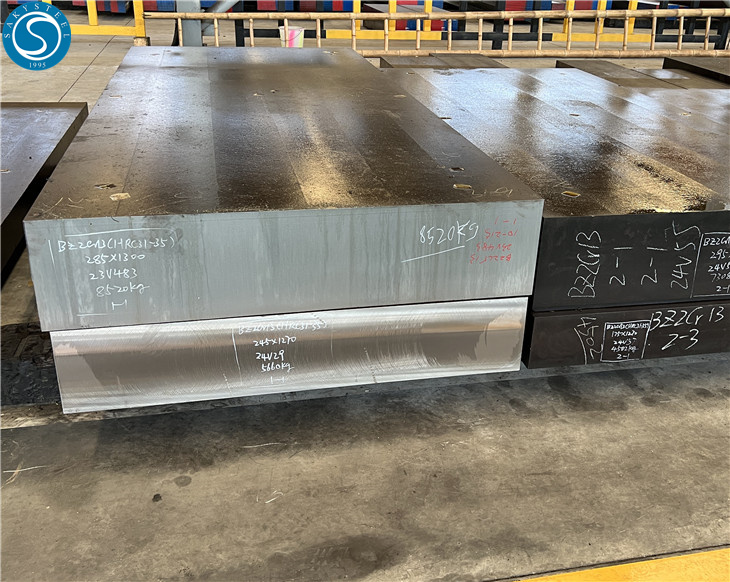
Steel is one of the most versatile and widely used engineering materials in the world. Within the broad category of steels, alloy steels and tool steels play essential but distinct roles. Both are engineered to achieve specific performance characteristics, but their composition, properties, and a...Read more »
-
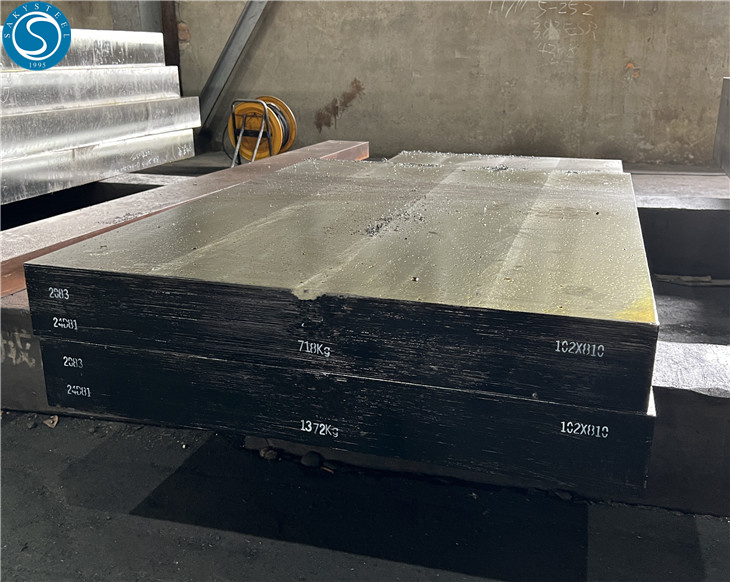
Tool steel is one of the most reliable and versatile materials in the industrial world. Known for its strength, wear resistance, and durability, tool steel is the backbone of manufacturing tools, dies, and molds that shape other materials. But what exactly makes tool steel so tough? Its unique co...Read more »
-
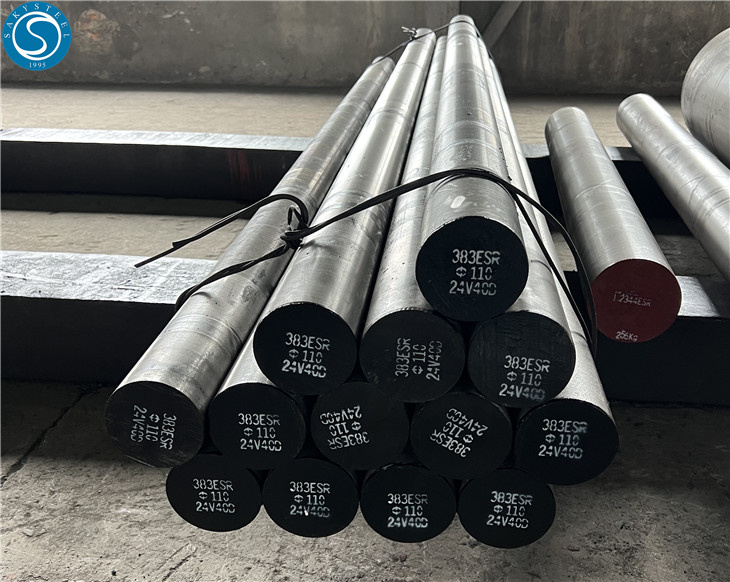
Steel is one of the most widely used materials in the world, with countless applications across industries ranging from construction to aerospace. However, not all steels are created equal. Among the many steel categories, tool steel and carbon steel are two of the most commonly compared because ...Read more »
-
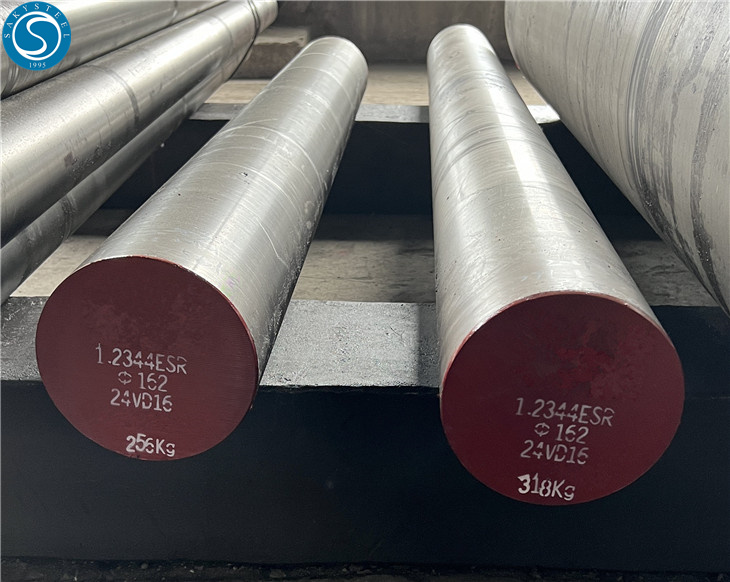
Tool steels are the backbone of modern manufacturing. From cutting dies to molds, drills, punches, and high-performance machining tools, tool steels provide the strength, wear resistance, and durability necessary for demanding applications. However, with so many grades and classifications availab...Read more »
-
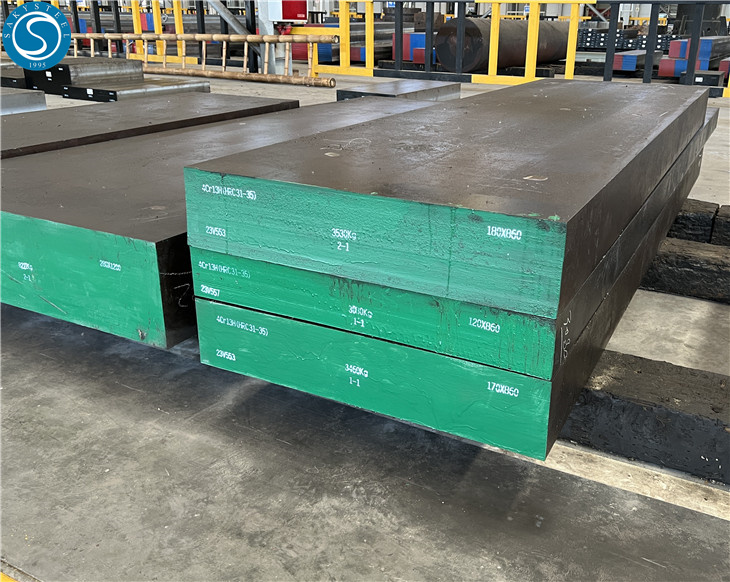
When it comes to manufacturing, machining, or precision engineering, the choice of tool steel can significantly impact the performance, durability, and cost-effectiveness of your project. Tool steels are designed to withstand extreme conditions such as high pressure, heat, and repeated wear, maki...Read more »
-
Tool steel is one of the most important categories of alloy steels used in modern industry. It is the foundation of manufacturing processes, shaping other materials into finished products through cutting, forming, stamping, or molding. One of its most notable characteristics is its exceptional ha...Read more »
-
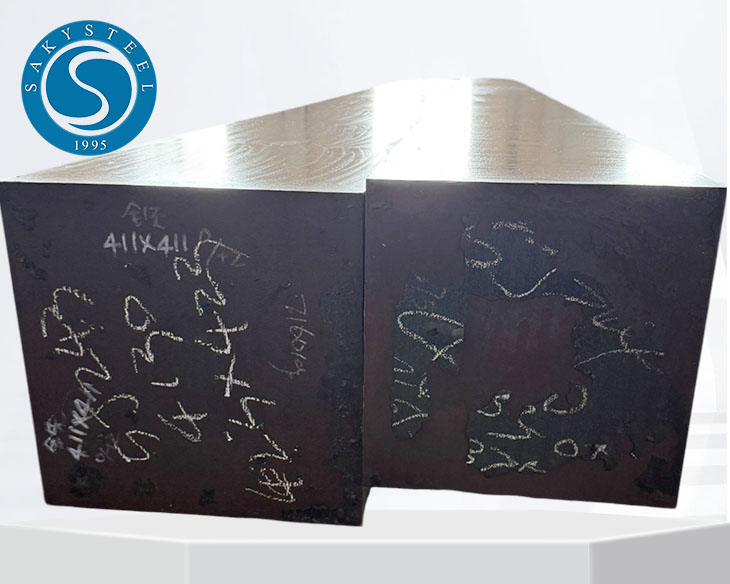
Tool steel is a special class of alloy steels designed to make tools, dies, molds, and other industrial equipment that must withstand extreme stress, abrasion, and high temperatures. Known for its hardness, toughness, and wear resistance, tool steel is indispensable in manufacturing, construction...Read more »
-
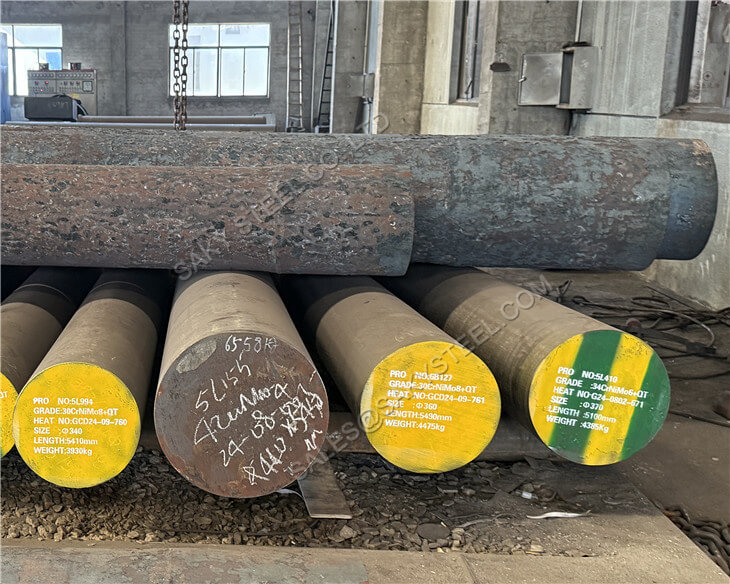
Tool steel is a special class of alloy steels that is specifically engineered for manufacturing tools, dies, and equipment used in cutting, shaping, and forming materials. Unlike regular carbon steels, tool steels contain carefully balanced amounts of alloying elements such as tungsten, molybdenu...Read more »
-
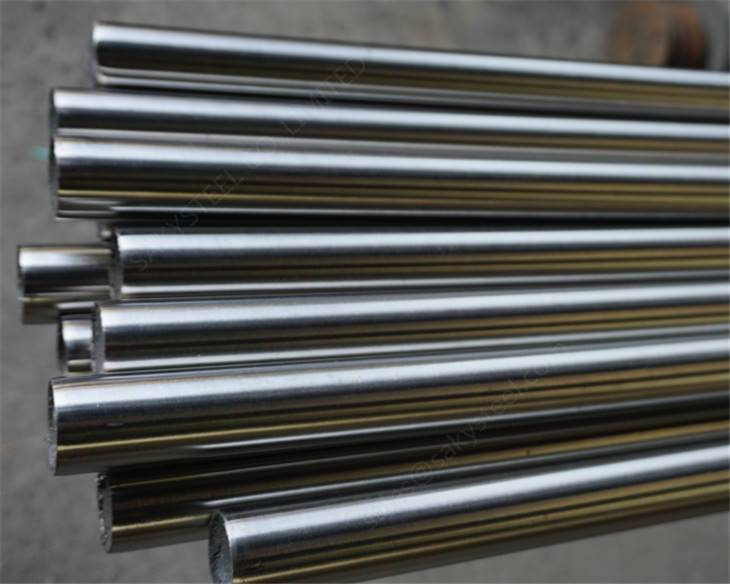
Stainless steel has become one of the most widely used materials across industries due to its corrosion resistance, durability, and versatility. However, not all stainless steel grades are created equal. While grades such as 304, 316L, and 317L are commonly used in industrial and commercial appli...Read more »
-
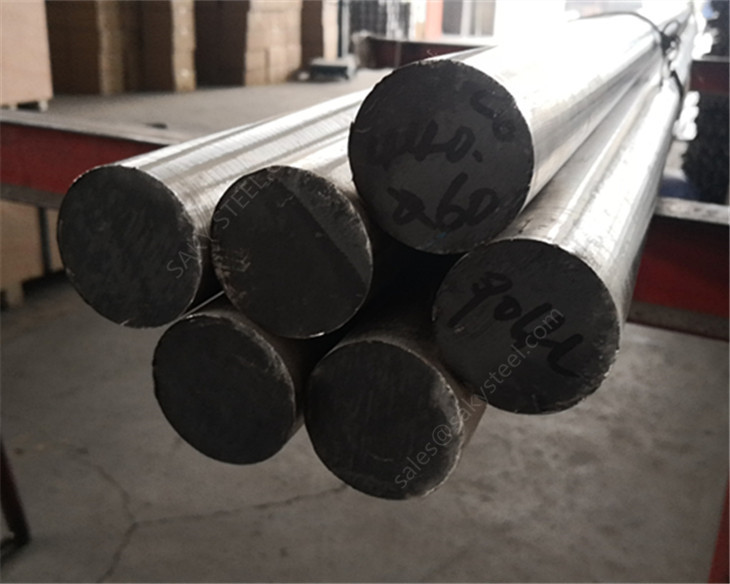
Stainless steel has long been a vital material in industries that demand durability, corrosion resistance, and strength. Among the many grades of stainless steel, 904L stainless steel stands out as a high-performance, low-carbon, austenitic alloy designed for extreme environments. With its high n...Read more »
-
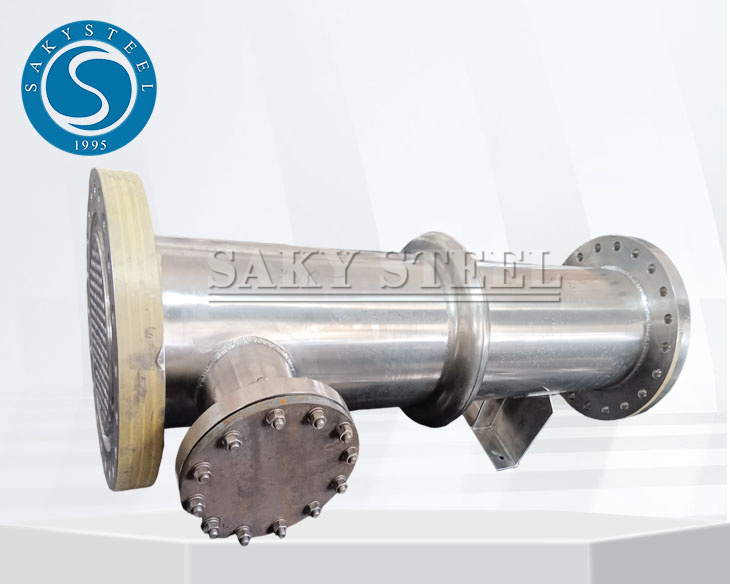
.saky-news-content{font-family:Poppins,Arial,Helvetica,sans-serif;font-size:14px;line-height:1.8;color:#333;} .saky-news-content h2{background:#1769aa!important;color:#fff!important;padding:12px 18px!important;margin:30px 0 18px!important;font-family:Arial,Helvetica,sans-serif!important;font-si...Read more »
-
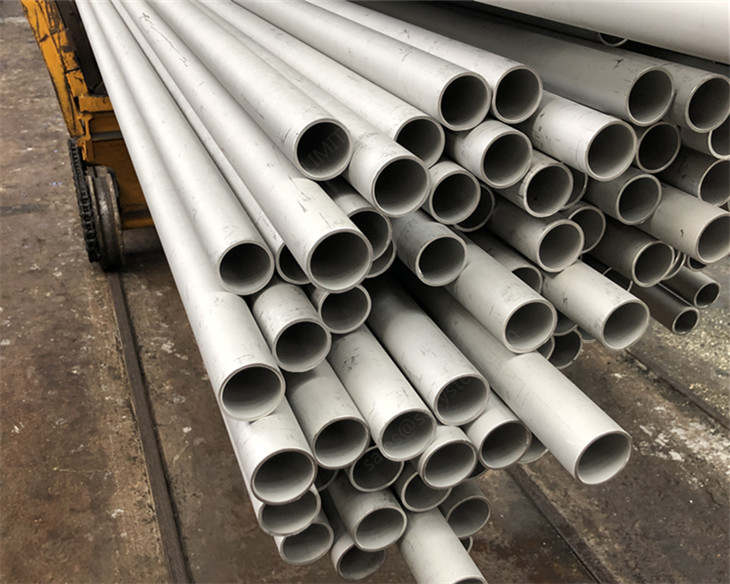
Stainless steel has become one of the most versatile and widely used materials across industries. From kitchen utensils to skyscrapers, and from chemical equipment to medical devices, stainless steel is everywhere. Among the many grades of stainless steel, Grade 304 has earned the reputation of b...Read more »
-
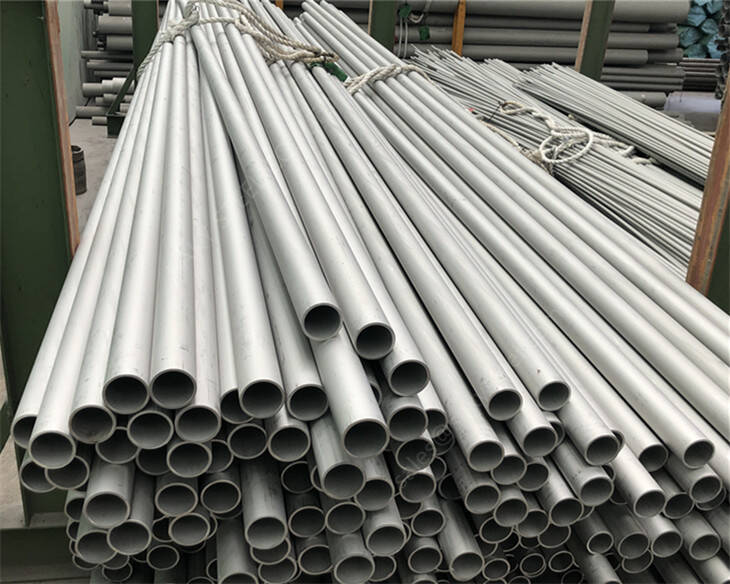
Food safety and hygiene are top priorities in the modern food industry. From processing raw materials to packaging finished products, every step demands equipment that is durable, corrosion resistant, and easy to clean. Among the wide range of stainless steel grades available, stainless steel 317...Read more »