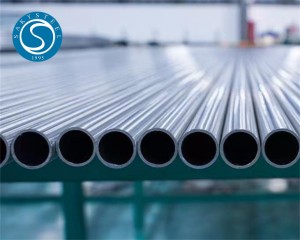
316L BA High Purity Stainless Steel Tube
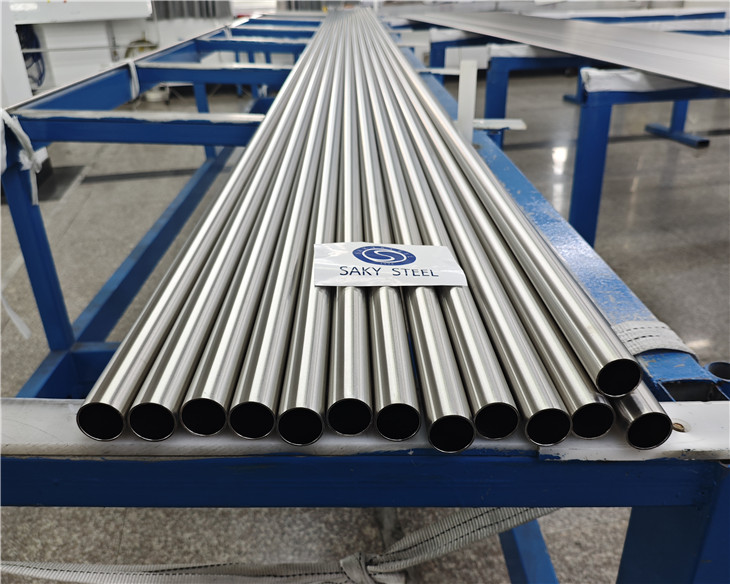
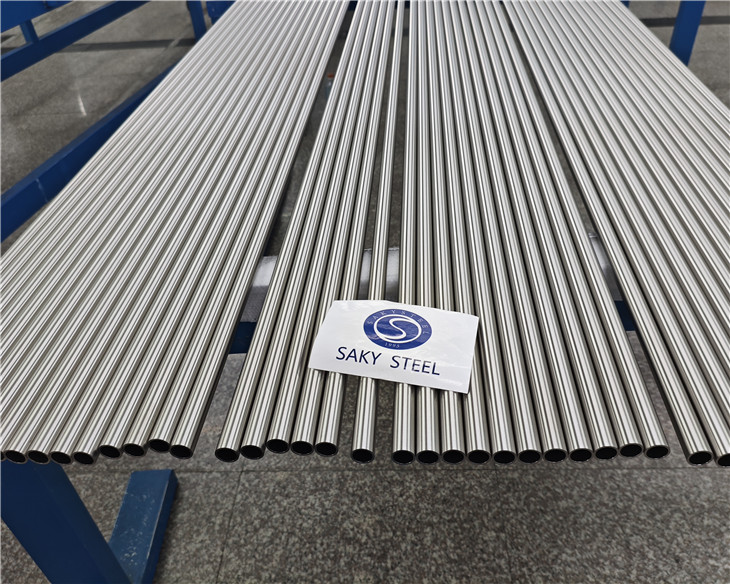
Short Description:
316L BA stainless steel tubing for clean gas, laboratory and controlled-fluid systems. Common fractional and metric sizes are available for quotation, with tube length, internal surface requirements, cleaning and packaging specified for your project.
316L BA High Purity Tube Overview
SAKYSTEEL supplies 316L BA stainless steel tubing for clean gas and liquid distribution systems that specify a bright-annealed surface. Bright annealing limits oxidation during heat treatment and preserves a bright surface. For clean-service applications, the tubing is selected together with the required internal surface condition, cleaning, end protection and packaging. BA is a practical choice where the project accepts this finish and does not require electropolishing.
Quick Information
Material: 316L / UNS S31603
Surface process: Bright annealed (BA); internal roughness specified separately
Common sizes: 1/4–1 in. OD in the combinations below; metric examples also listed
Construction: Seamless or welded, identified in the purchase specification
Clean-service requirements: Cleaning, drying, end caps, packaging and inspection scope defined for the application
Why Choose Bright-Annealed Tubing?
- Oxidation-controlled heat treatment: Bright annealing uses vacuum or a controlled atmosphere to limit oxidation during annealing. The bright condition comes from the heat-treatment process rather than an external polishing operation.
- 316L material for fabricated systems: The low-carbon grade is commonly selected for welded stainless steel systems. Fluid compatibility and the joining procedure still need to be assessed for the installation.
- An alternative when EP is not required: If the proposed BA tubing meets the surface and cleanliness specification, it can avoid adding an electropolishing step that the project does not require.
- Surface and delivery condition considered together: Internal roughness, end preparation, cleaning and packaging can be specified as separate acceptance items, so that BA surface appearance is not used as a substitute for cleanliness verification.
Common Sizes for Quotation
Common OD and wall combinations are shown below. Select the tube size to match the connection dimensions, flow requirements and system design. Nominal metric equivalents are rounded.
| Tube OD (in.) | Tube OD (mm) | Wall (in.) | Wall (mm) |
|---|---|---|---|
| 1/4 | 6.35 | 0.035 | 0.89 |
| 3/8 | 9.53 | 0.035 | 0.89 |
| 1/2 | 12.70 | 0.049 | 1.24 |
| 3/4 | 19.05 | 0.065 | 1.65 |
| 1 | 25.40 | 0.065 | 1.65 |
Metric size examples: 6 × 1.0, 8 × 1.0, 10 × 1.0 and 12 × 1.0 mm (OD × wall). A 6 m length or your required cut length can be quoted. Inch and metric sizes are separate ordering choices; rounded conversions are for reference. These examples do not indicate current stock or a pressure rating.
What BA Means — and What to Specify
| Item | Selection and ordering basis |
|---|---|
| Material and tube specification | 316L / UNS S31603. Identify ASTM A269 or the applicable project tubing specification, construction and edition. |
| Small-diameter specification | ASTM A632 may be considered only for sizes within its scope: OD from 0.050 in. to under 1/2 in., and wall from 0.005 in. to under 0.065 in. It does not cover every size in the table above. |
| Internal surface | BA surface condition plus any required maximum internal Ra, measurement method and inspection coverage. BA itself does not define a single Ra value. |
| Joining and connections | For orbital welding, identify end squareness, burr control and the dimensions required by the welding procedure. For tube fittings, check their tubing and surface requirements. |
| High-purity material criteria | Where SEMI F20 is specified, the required material criteria and supporting documentation must be confirmed for the order. |
| Clean delivery | Identify the required cleaning, drying, protection and packing conditions separately from the BA finish. |
BA, EP and Ordinary Bright Tubing
BA identifies a heat-treatment and surface condition. An ordinary industrial tube may also be bright annealed, so a BA appearance alone does not establish high-purity suitability. The distinction lies in the complete purchase specification and verified delivery condition.
BA and EP tubing can both have explicit internal Ra requirements. Choose EP when electropolishing is required by the project, or when the proposed BA product cannot meet the specified surface acceptance criteria. Do not select EP solely because the inquiry includes an Ra value.
Typical Applications
- Laboratory and analytical systems: Clean gas and liquid lines where the medium, surface and connection requirements are defined.
- Clean utilities and process equipment: Fluid distribution and equipment connections for projects accepting a BA finish.
- Semiconductor support systems: Applications in which the project specification accepts BA tubing with the required material, cleanliness and documentation controls.
Frequently Asked Questions
Is BA the same as mirror polishing?
No. BA refers to bright annealing. Mechanical polishing uses abrasive processing, while electropolishing removes material electrochemically. A shiny outside surface does not identify the internal treatment or cleanliness.
Does BA tubing have a guaranteed internal Ra?
BA does not define one universal roughness value. State the maximum internal Ra, units and inspection requirement. Acceptance should be based on the offered specification and agreed verification, rather than the BA designation alone.
Can ordinary BA tubing be used directly in a high-purity line?
Only if it satisfies the complete project specification. Review the material, internal surface, contamination controls, cleaning, drying, packaging and records. Bright annealing does not replace these checks.
When should I choose BA instead of EP?
Choose BA when the project permits a bright-annealed surface and the proposed tubing meets the required surface and cleanliness criteria. Choose EP when the specified process or surface acceptance requires it. Both choices still need appropriate material and clean delivery controls.
Is the tubing ready for orbital welding?
Confirm the tube construction, dimensions, end squareness, burr condition and cleanliness against the welding procedure. End preparation and protection should be specified with the order; the BA label alone does not mean weld-ready ends.
What working pressure can the tubing handle?
There is no single pressure rating for all BA tubing. The rating depends on material, OD, wall, tolerances, temperature, construction and the design basis; connections can also limit the system rating. Provide the design conditions for size and specification review.
Inspection, Protection and Delivery
Agree the required material and dimensional records, surface inspection and any roughness verification before ordering. Specify cleaning and drying acceptance where the service requires it. End caps and suitable bagging protect the tube after cleaning, but the packaging description alone is not a cleanliness certificate. Keep protective closures in place until the installation procedure requires removal.
Request a 316L BA Tube Quote
Send the OD × wall, length, quantity, seamless or welded construction and service medium. Include the tubing standard, required internal Ra, connection or welding details, cleaning and packaging requirements, and inspection documents.