304 Stainless Steel Woven Wire Mesh
Short Description:
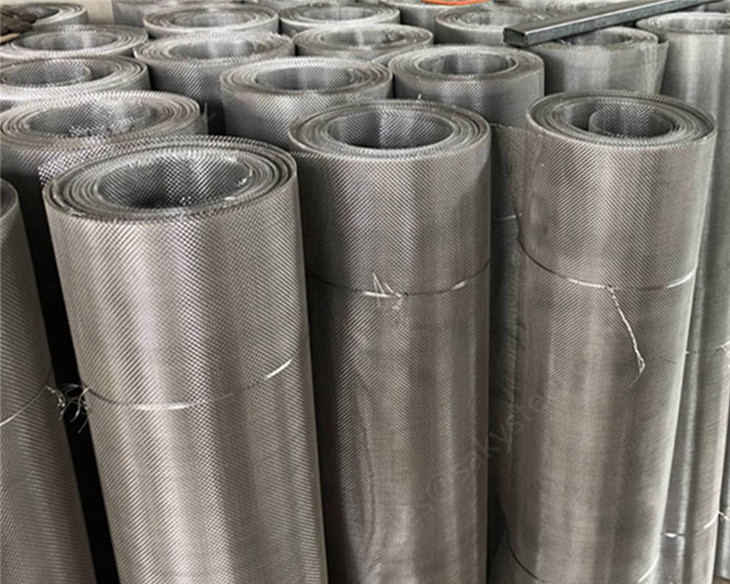
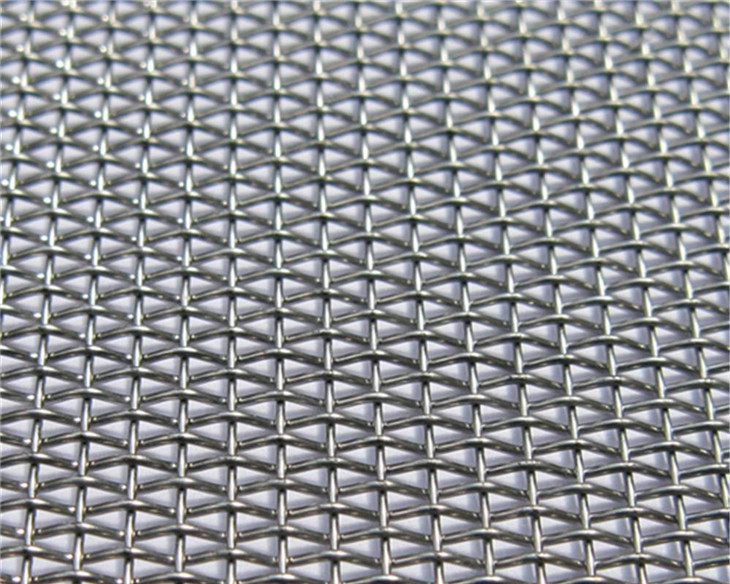
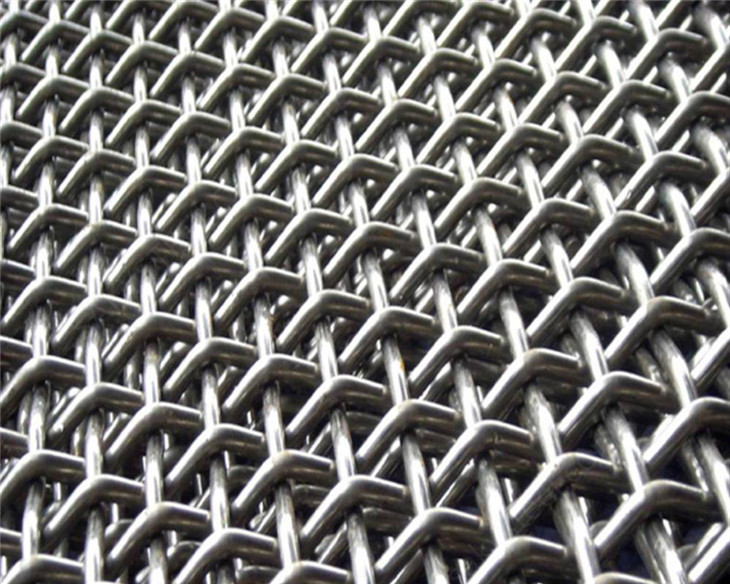
304 stainless steel woven wire mesh for general screening, guarding, ventilation and non-aggressive filtration. Specify mesh count, wire diameter, opening, weave, supply form and inspection requirements.
304 stainless steel woven wire mesh is the practical starting point for general screening, machine guarding, ventilation and non-aggressive filtration where the service environment does not justify a molybdenum-bearing grade.
Quick selection answer
Choose 304 when: the application is mainly dry, indoor or mildly corrosive and the priorities are controlled openings, adequate strength and economical general-purpose performance.
Consider another grade when: the mesh faces sustained chloride exposure, coastal spray, aggressive chemical cleaning or a service medium known to attack 304.
304 Wire Mesh at a Glance
| Selection item | What to specify |
|---|---|
| Material | 304 / UNS S30400 / EN 1.4301 |
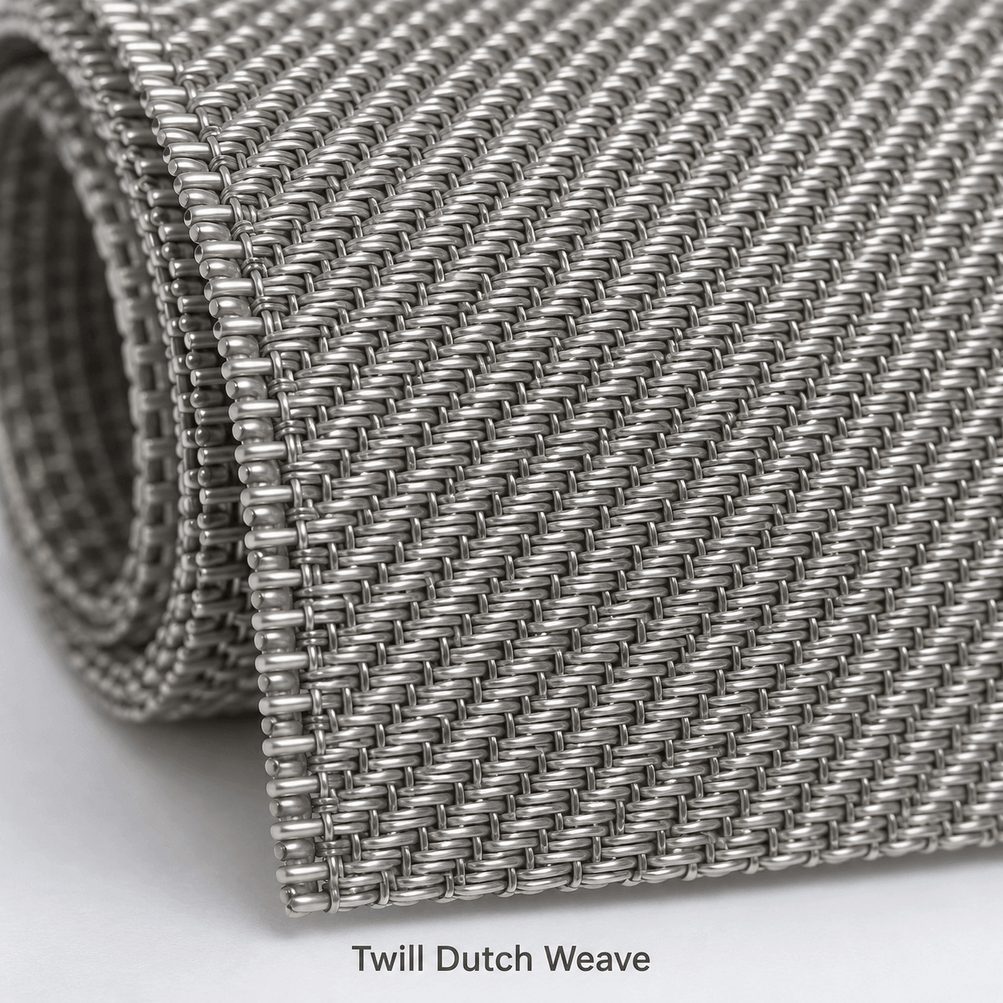
| Weave options | Plain, twill, plain Dutch or twill Dutch weave |
| Key geometry | Mesh count, wire diameter, nominal opening and open area for square-opening mesh |
| Supply form | Rolls, cut sheets, strips, discs and agreed fabricated pieces |
| Common direction | General screening, guards, ventilation, sieves and filter-support components |
Where 304 Is—and Is Not—the Right Choice
| Service situation | 304 suitability | Procurement check |
|---|---|---|
| Dry indoor machine guards and ventilation grilles | Good starting point | Confirm opening, rigidity, edge treatment and attachment method |
| General powder screening or non-aggressive liquid service | Commonly considered | Define particle size, flow, cleaning and contamination requirements |
| Food-contact equipment without aggressive chlorides | Application review required | Check regulatory, cleanability, finish and sanitation obligations |
| Coastal spray, chloride wash or demanding chemical process | Often not preferred | Review 316L woven wire mesh or another suitable alloy |
Engineering note: “stainless” does not mean immune to staining or corrosion. Grade selection must reflect the actual environment, temperature, deposits, crevices and cleaning chemicals.
Mesh Geometry Controls Performance
For square-opening woven mesh, mesh count alone is incomplete. Wire diameter changes the nominal opening, open area, stiffness and flow. A useful RFQ therefore states both mesh count and wire diameter—or states the required opening together with strength and flow constraints.
| Parameter | Effect on selection |
|---|---|
| Mesh count | Number of openings per linear inch for square-opening mesh; it does not define opening size without wire diameter |
| Wire diameter | Larger wire generally increases rigidity but reduces opening and open area at the same mesh count |
| Nominal opening | For ideal square mesh: 25.4 ÷ mesh count − wire diameter, using millimetres |
| Open area | Geometric percentage that influences flow; it is not the same as a certified filtration rating |
| Dutch weave | Has no simple square aperture; specify retention or filtration performance and the applicable test method |
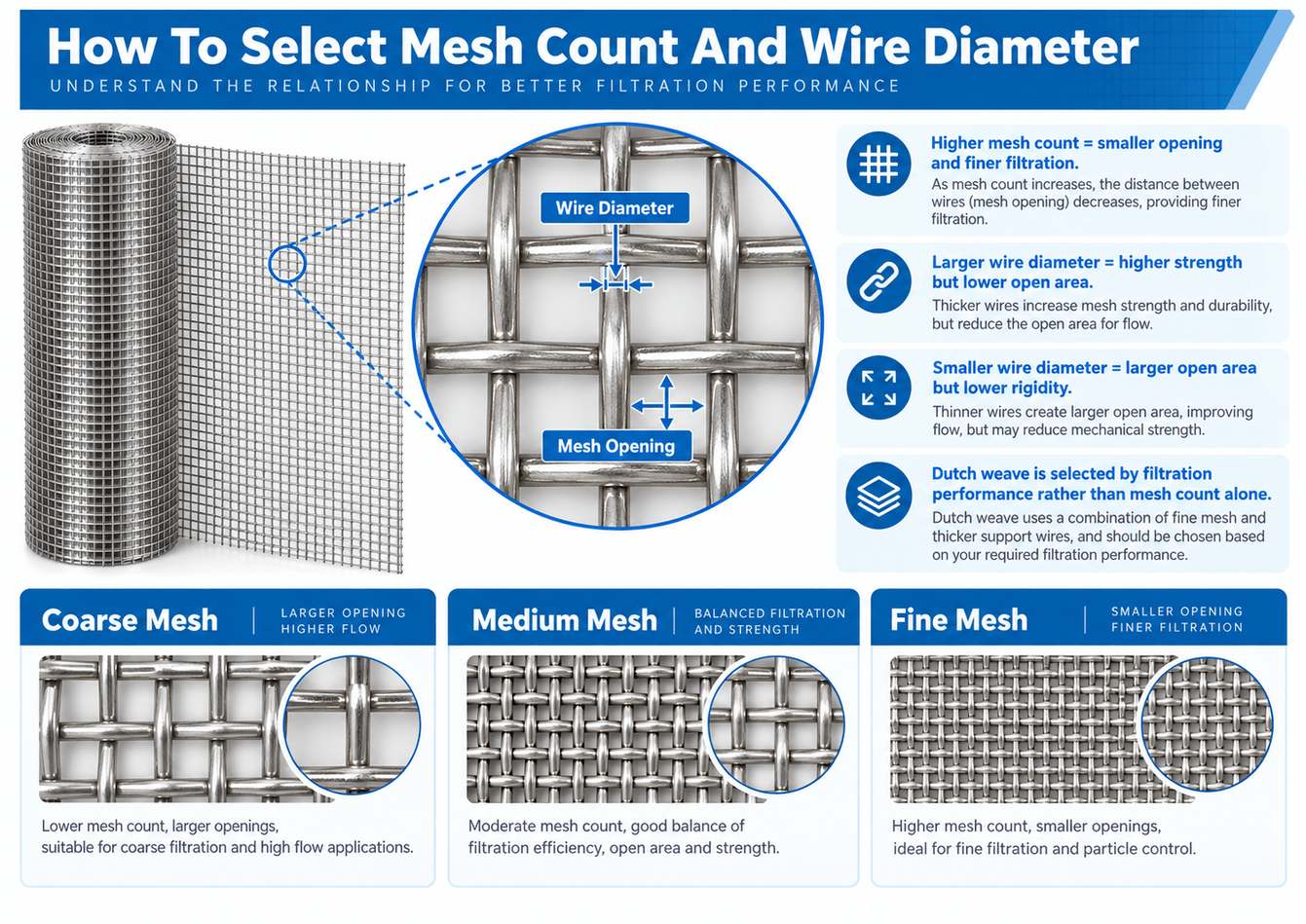
Calculated square-mesh examples
The values below are geometric examples calculated from the stated mesh count and wire diameter. They are not a stock list, dimensional tolerance or inspection result.
| Mesh | Wire (mm) | Approx. opening (mm) | Approx. open area | Selection direction |
|---|---|---|---|---|
| 10 | 0.60 | 1.94 | 58.3% | Coarse screening, guards, ventilation |
| 20 | 0.40 | 0.87 | 46.9% | General industrial screening |
| 40 | 0.25 | 0.39 | 37.7% | Medium-fine sieving |
| 60 | 0.19 | 0.23 | 29.5% | Fine screening and filter support |
| 100 | 0.10 | 0.154 | 36.8% | Controlled fine opening |
Choose the Weave Without Repeating the Basics
| Weave | Use it when | Specify carefully |
|---|---|---|
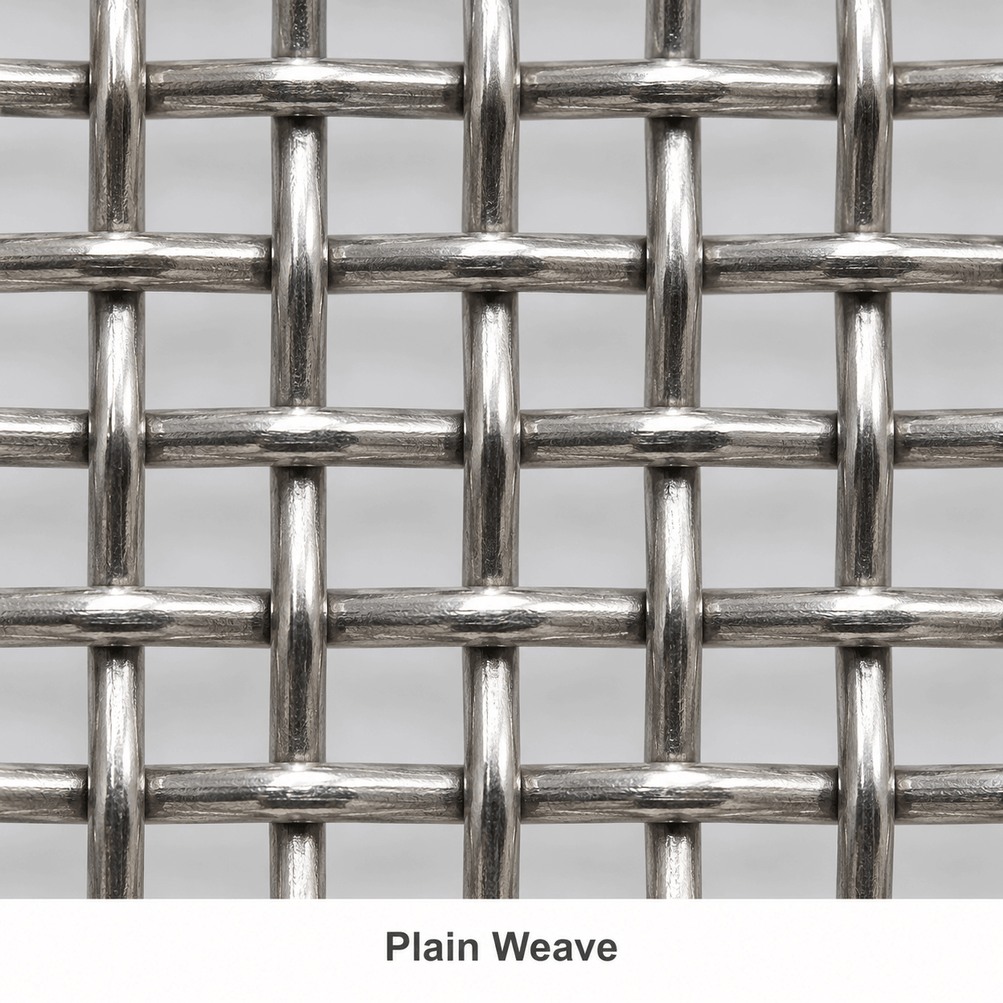
| Plain weave | A square opening and straightforward screening geometry are required | Mesh count, wire diameter, opening and edge condition |
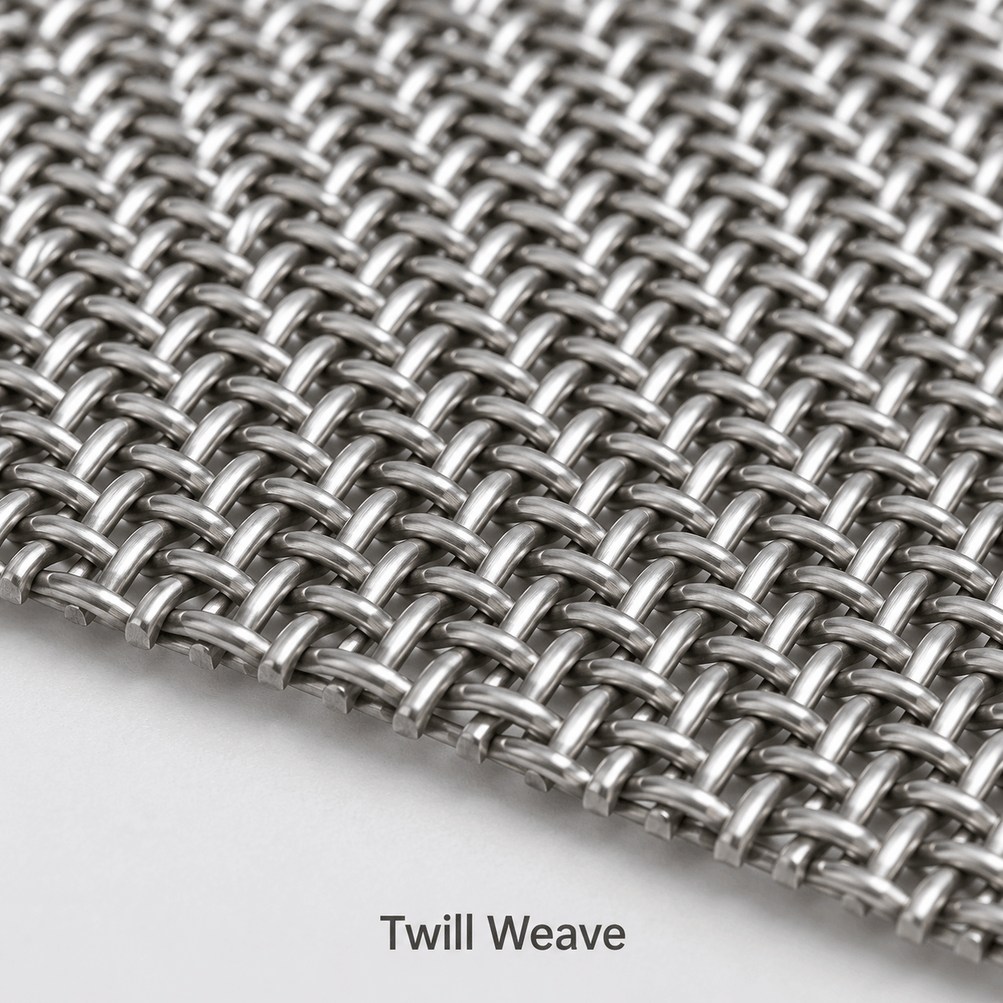
| Twill weave | A denser or more flexible square-opening construction is needed | Construction stability and dimensional acceptance |
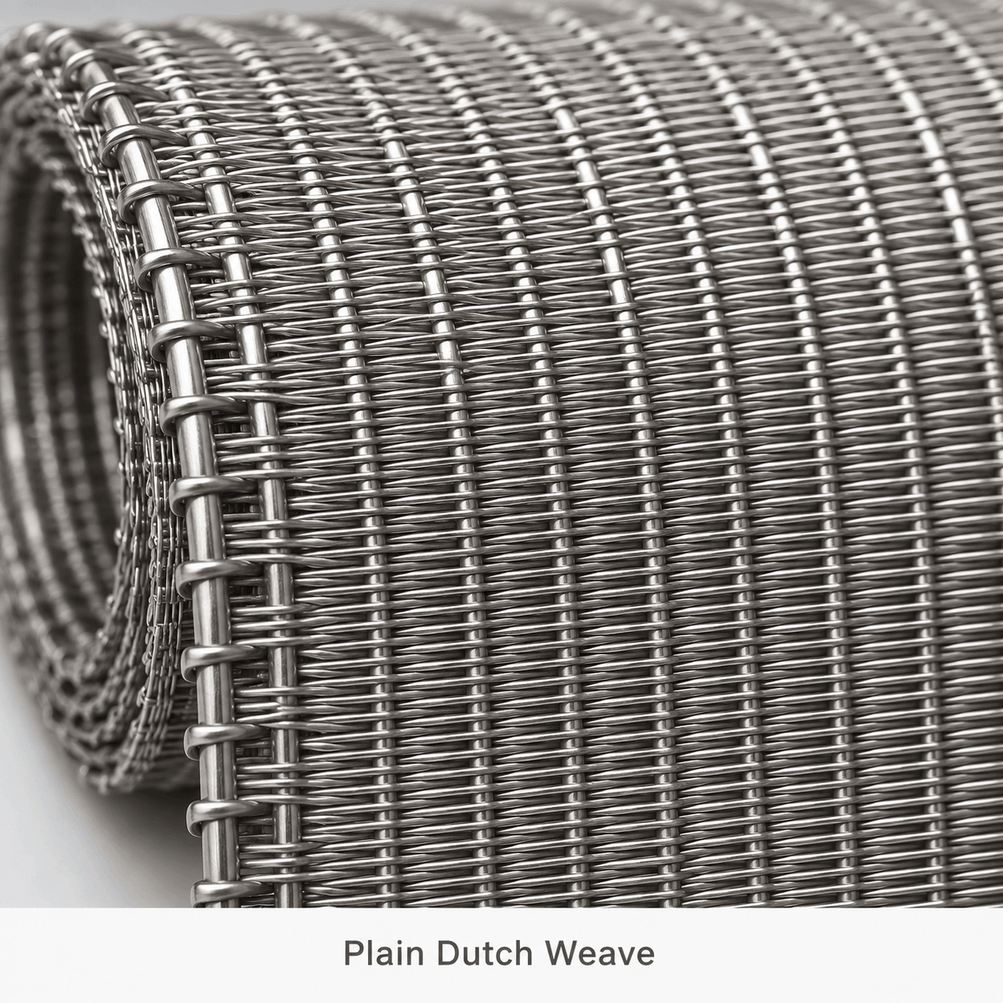
| Plain Dutch | Process filtration requires a dense warp-and-shute structure | Retention target, flow and pressure differential |
| Twill Dutch | Finer separation is required after application testing | Test method, permitted pressure and cleanability |
Inspection and Acceptance
| Check | Why it matters |
|---|---|
| Material certificate or grade verification | Confirms the agreed material identity and traceability scope |
| Wire diameter, mesh count and opening | Confirms the ordered square-mesh geometry |
| Width, length and cut dimensions | Confirms the delivered roll or fabricated piece size |
| Weave and visual condition | Identifies broken wires, weaving faults, edge damage or visible contamination |
| Application-specific test | Required when filtration performance, cleanliness or another functional criterion must be verified |
Packaging and Supply Form
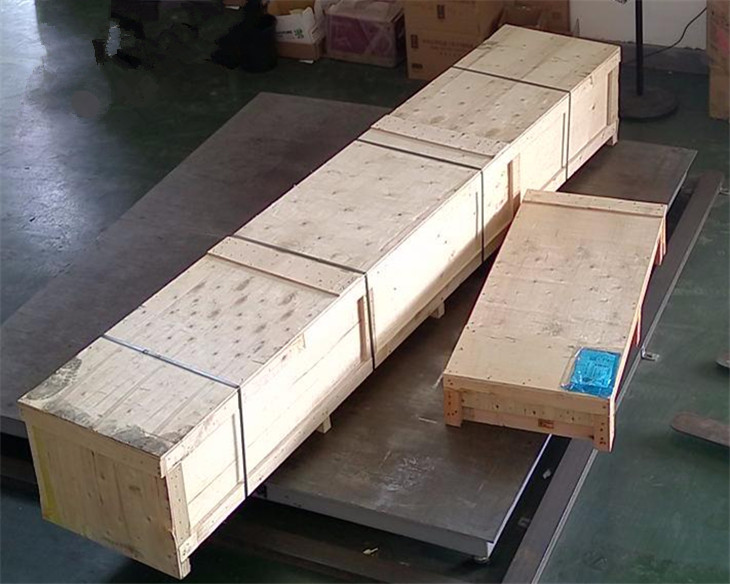
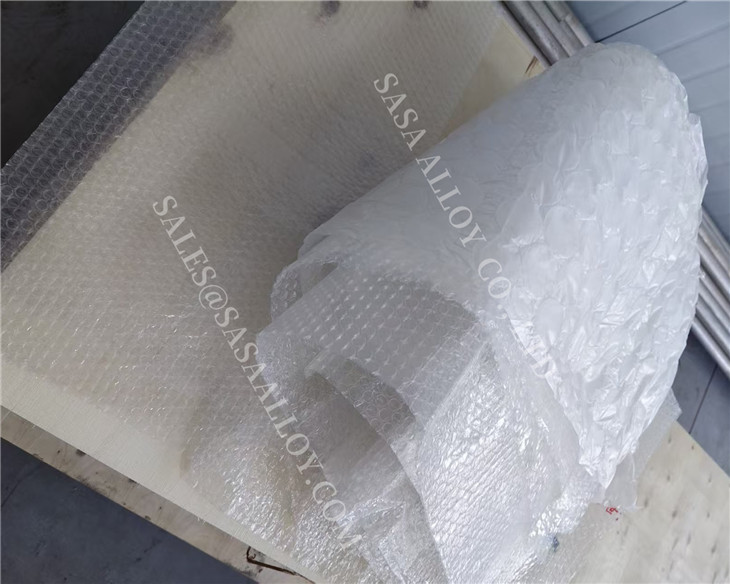
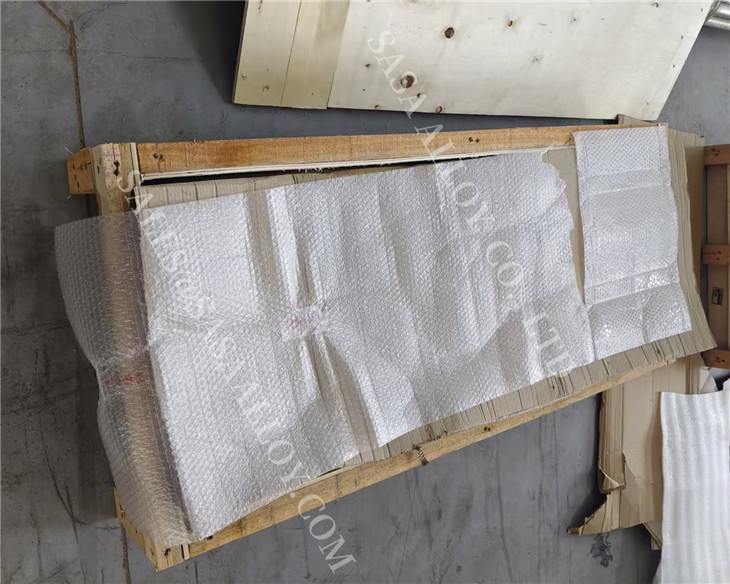
Rolls are protected against moisture, crushing and edge damage according to mesh fineness and shipment method. Cut sheets, discs and fabricated pieces can be separated or supported to reduce bending and surface damage. Packing labels can identify grade, construction, dimensions and batch information as agreed.
Information Required for an RFQ
- Grade and applicable material or wire standard
- Weave type and mesh count plus wire diameter, or required opening / filtration target
- Roll width and length, or cut dimensions and edge condition
- End use, service medium, operating temperature and cleaning method where relevant
- Quantity, inspection method, certificate and traceability requirements
- Destination and packing requirements
Request a specification review and quotation
Send the required geometry and application. We will review the mesh construction, supply form and documentation before confirming an offer.