316L Stainless Steel Woven Wire Mesh
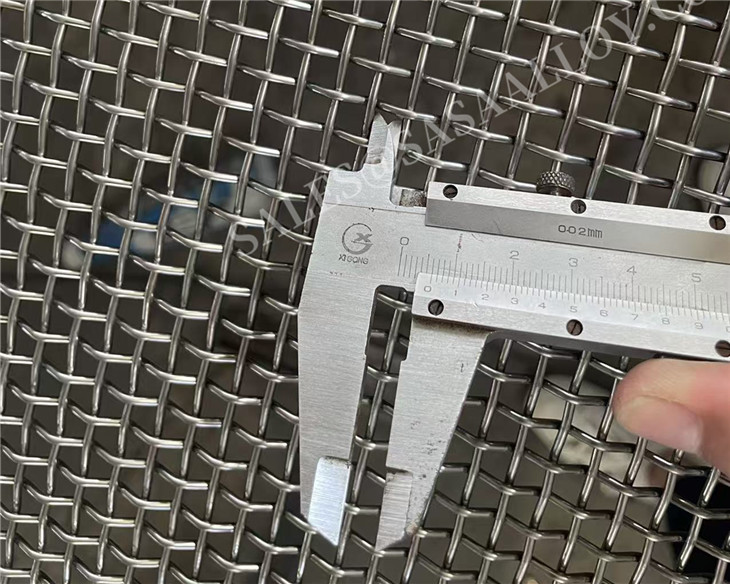
Short Description:
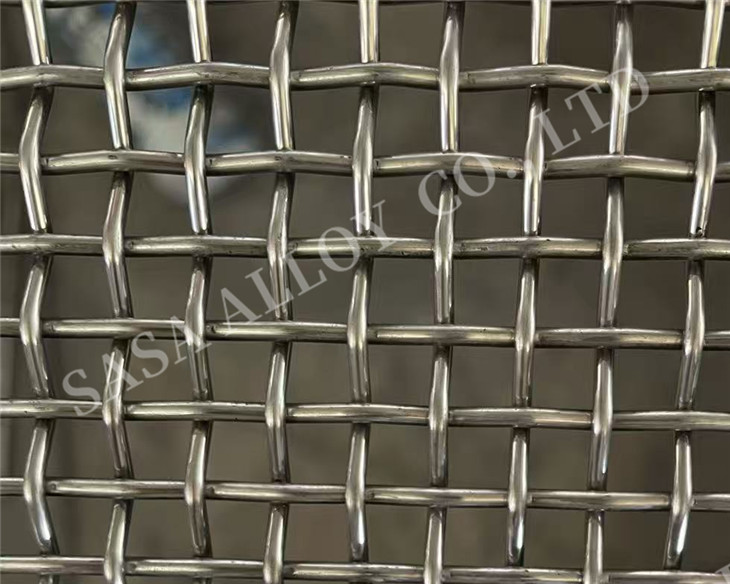
316L stainless steel woven wire mesh for chloride-bearing, wet and chemical process service. Review weave, mesh count, wire diameter, opening, supply form and inspection requirements before ordering.
316L stainless steel woven wire mesh is selected when a woven screen or filter must combine controlled openings with better resistance to wet, chloride-containing or chemically demanding service than 304. The grade is especially relevant when the mesh or finished filter assembly will be welded.
Quick selection answer
Choose 316L when: the application involves coastal exposure, chloride-bearing wash water, chemical processing, repeated wet cleaning or a welded filter assembly.
Do not select by grade alone: identify the fluid or gas, concentration, temperature, cleaning chemistry, required opening or filtration target, pressure differential and fabrication route.
316L Wire Mesh at a Glance
| Selection item | What to specify |
|---|---|
| Material | 316L / UNS S31603 / EN 1.4404 |
| Weave options | Plain, twill, plain Dutch or twill Dutch weave, subject to the required construction |
| Key geometry | Mesh count, wire diameter, opening or required filtration performance |
| Supply form | Rolls, cut sheets, discs and agreed fabricated sizes |
| Inspection basis | Material identity, wire diameter, mesh count, opening, dimensions, weave and visible defects as agreed in the order |
Engineering note: 316L improves corrosion resistance relative to 304 in many chloride-bearing environments, but it is not corrosion-proof. Suitability still depends on chloride level, temperature, pH, oxidizing conditions, deposits, crevices and cleaning practice.
Why the 316L Grade Matters
Molybdenum for more demanding exposure
The molybdenum addition is the main reason 316L is generally preferred over 304 for chloride-bearing water, coastal atmospheres and many chemical process duties. The actual service environment must still be reviewed; a grade name cannot replace corrosion data for the process medium.
Low carbon for welded mesh assemblies
The low-carbon designation is most relevant when mesh is welded into baskets, screens, cartridges or frames. It helps limit sensitization risk in the heat-affected zone. It does not mean every supplied mesh has been welded, nor does it remove the need for a qualified joining and cleaning procedure.
304 or 316L: A Practical Choice
| Service condition | Likely starting point | Reason to verify |
|---|---|---|
| Dry indoor guarding, ventilation or general screening | 304 woven wire mesh | Often the more economical choice when chloride or aggressive cleaning exposure is absent |
| Coastal, wet or chloride-bearing service | 316L | Confirm chloride level, temperature, deposits and cleaning cycle |
| Welded filter basket or framed screen | 316L commonly considered | Review weld procedure, pickling/passivation and final service medium |
| Chemical or food-process filtration | 316L often considered | Material compatibility and hygienic requirements remain application-specific |
Select the Weave by Function
For square-opening mesh, mesh count and wire diameter jointly determine the nominal opening and open area. For Dutch weave, buyers should specify the required retention or filtration performance and operating conditions rather than treating mesh count as a direct micron rating.
| Weave | Engineering characteristic | Typical selection direction |
|---|---|---|
| Plain weave | Square openings and straightforward geometry | Screening, guarding and general filtration |
| Twill weave | Permits a denser construction for a given wire size | Finer square-opening mesh or increased flexibility |
| Plain Dutch | Dense warp-and-shute construction without a simple square aperture | Pressure and process filtration |
| Twill Dutch | Very dense structure with a tortuous flow path | Fine liquid-solid or gas-solid separation after validation |


Define Geometry Before Requesting a Quote
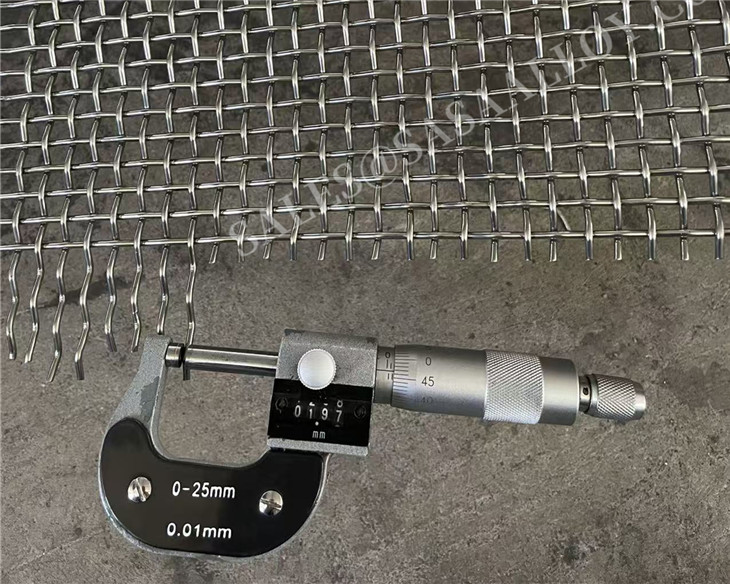
A complete mesh specification should state either mesh count and wire diameter, or a required opening together with the strength and flow constraints. Also state roll width, roll length or cut dimensions, edge treatment, flatness where relevant and quantity.

Important: a certificate confirming the alloy does not by itself confirm opening size, filtration rating or dimensional compliance. These acceptance items must be written into the purchase specification.
Inspection and Documentation
| Check | What it establishes |
|---|---|
| Material certificate / grade verification | Heat or lot identity and reported chemical composition, according to the agreed documentation scope |
| Wire diameter and mesh count | Construction geometry for square-opening mesh |
| Opening or filtration test | Relevant separation performance when an agreed test method and acceptance criterion are specified |
| Width, length and cut dimensions | Delivered size and fabrication allowance |
| Visual inspection | Broken wires, weaving defects, edge condition and visible contamination |
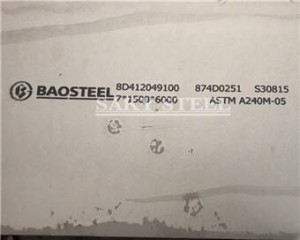
The documents shown below are examples of available material documentation. The certificate supplied with an order must correspond to the actual delivered lot and the agreed inspection scope.


Application Review
| Application | Information needed before selection |
|---|---|
| Chemical process filtration | Fluid composition, concentration, temperature, cleaning chemistry, pressure differential and target retention |
| Marine or coastal screening | Salt exposure, wet/dry cycles, crevices, deposits and maintenance access |
| Food or pharmaceutical equipment | Contact requirements, cleanability, surface condition, fabrication and validation obligations |
| Water treatment | Water chemistry, suspended solids, flow rate, differential pressure and backwash method |
Packaging for Rolls and Cut Pieces
Packaging is selected to protect the specified mesh construction and supply form. Fine mesh may require a rigid core and added crush protection; cut sheets or discs require support against bending and edge damage. Moisture protection and export cases or pallets can be agreed for the shipment.


Information Required for an RFQ
- Grade and applicable product or wire standard
- Weave type and mesh count plus wire diameter, or required opening / filtration target
- Roll width and length, or finished cut dimensions and edge condition
- Process medium, operating temperature and pressure differential where relevant
- Quantity, inspection method, certificate and traceability requirements
- Destination and packing requirements
Request a technical and commercial review
Send the operating conditions and complete mesh geometry. We will review the requested construction, documentation and supply form before confirming an offer.