Stainless Steel Woven Wire Mesh

Short Description:
Stainless Steel Woven Wire Mesh is supplied for screening, filtration, separation, ventilation and protection. Choose by weave type, mesh count, aperture, wire diameter and open area first, then select 304, 316, 316L or another suitable stainless steel grade.
Stainless Steel Woven Wire Mesh
Stainless Steel Woven Wire Mesh is made by interlacing warp and weft stainless steel wires into controlled mesh openings. It is widely used for screening, filtration, separation, ventilation, machine protection and fabricated mesh components.
For most buyers, the correct selection starts with the mesh structure and application requirement rather than the stainless steel grade. Mesh count, aperture, wire diameter, open area and weave type determine how the mesh performs, while material grade is selected afterwards according to corrosion environment and service conditions.
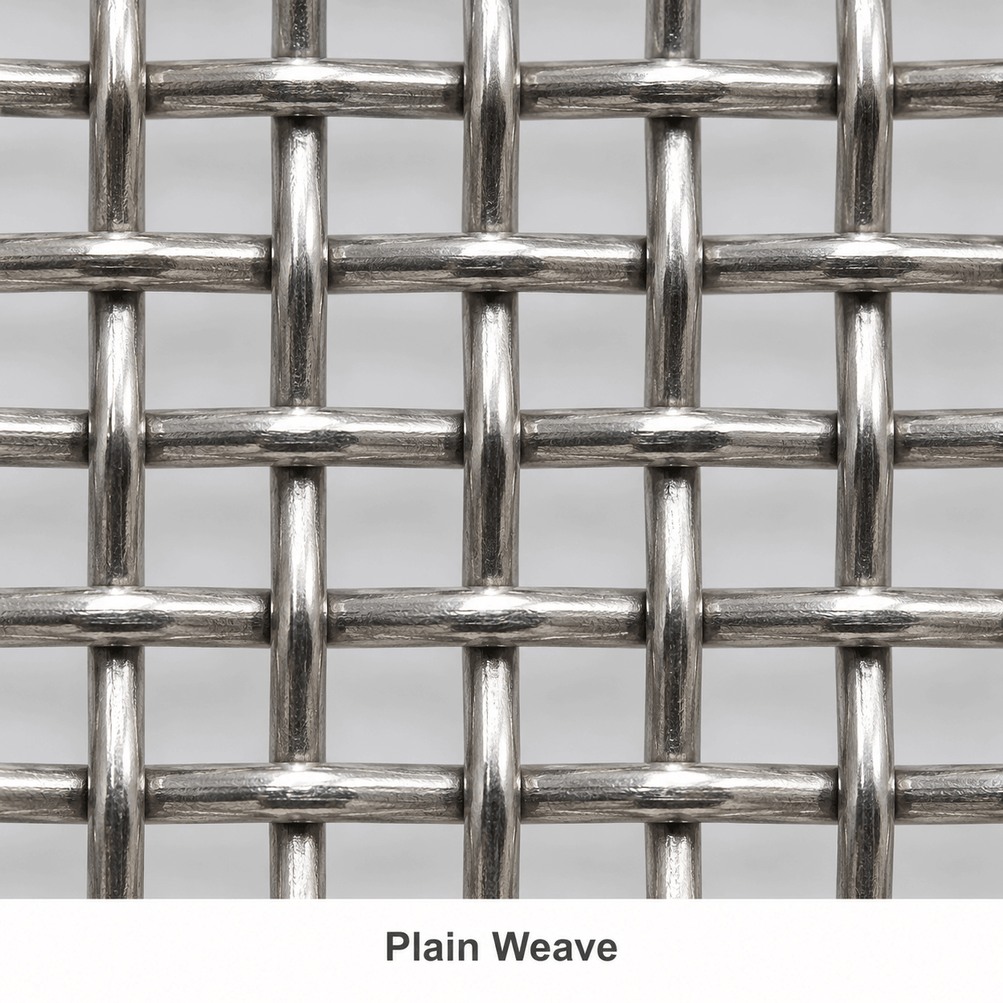
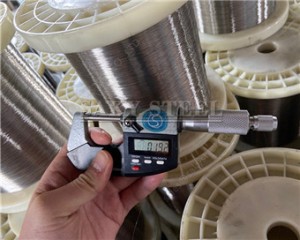
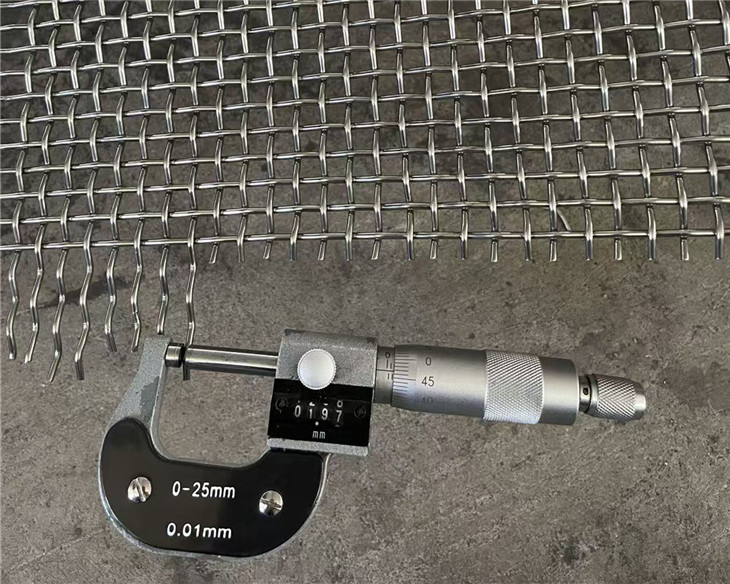
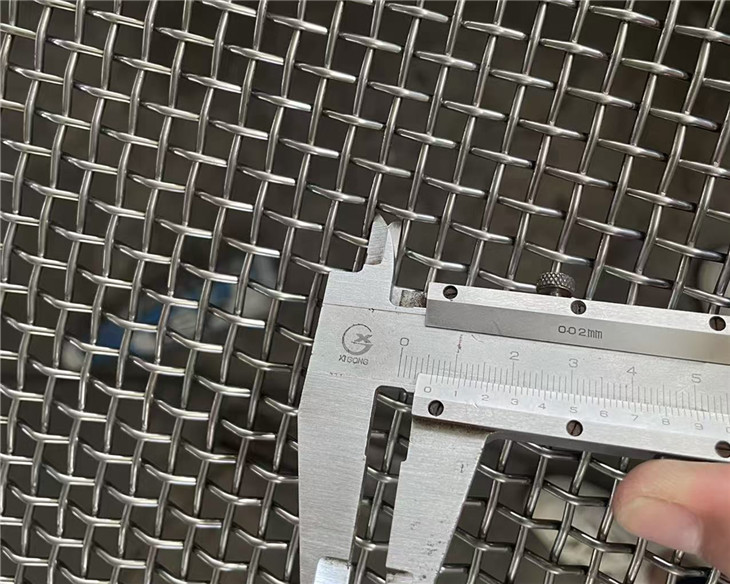
Close-up view of woven wire and mesh opening |
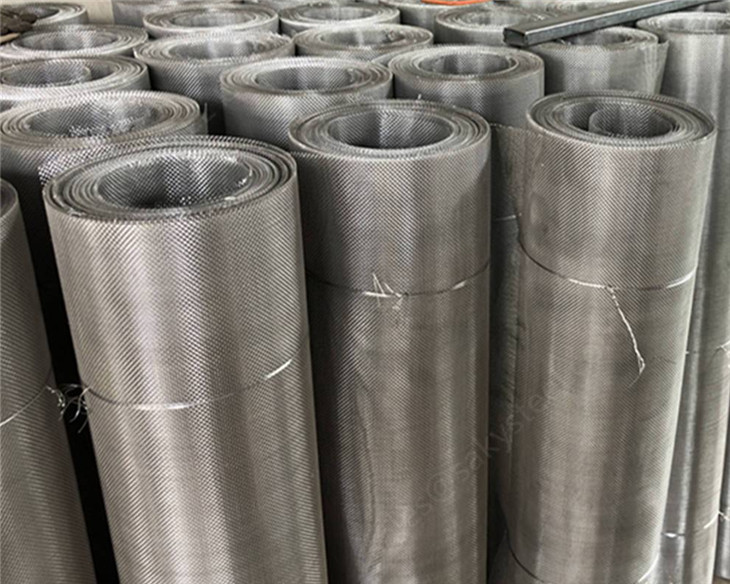
Woven mesh supplied in rolls, sheets or custom-cut forms |
Need help choosing the correct mesh?
Send your application, required opening or particle size, roll size and quantity. SAKY STEEL can help review the weave type, mesh count, wire diameter and material grade before quotation.
Stainless Steel Woven Wire Mesh Specifications
The following specification items are the main parameters used to define woven stainless steel wire mesh. Exact combinations depend on weave type, mesh density, wire strength and application requirements.
| Specification | Available Options / Description |
|---|---|
| Material Grades | 304 / 304L / 316 / 316L / Other agreed stainless steel grades |
| Product Structure | Woven warp and weft stainless steel wire mesh |
| Weave Types | Plain Weave / Twill Weave / Plain Dutch Weave / Twill Dutch Weave |
| Mesh Count | Coarse, medium and fine mesh ranges depending on wire diameter and weave structure |
| Wire Diameter | Specified according to mesh count, opening requirement, rigidity and mechanical strength |
| Aperture / Opening | Clear distance between adjacent wires for regular square woven mesh |
| Open Area | Calculated percentage of open surface area for square woven mesh |
| Filtration Rating | Specified separately for Dutch weave or filter-grade mesh |
| Roll Width | Standard and custom widths available according to mesh structure |
| Roll Length | Standard or custom roll length |
| Delivery Form | Roll / Sheet / Strip / Disc / Custom-Cut Mesh |
| Main Uses | Screening / Filtration / Separation / Ventilation / Protection / Fabrication |
How Mesh Count, Wire Diameter and Opening Work Together
 |
Mesh count alone does not tell you whether a wire mesh is suitable. Wire diameter and mesh opening must be checked together. • Higher mesh count generally produces smaller openings.
• Larger wire diameter increases rigidity and strength but reduces open area.
• Smaller wire diameter increases open area and flow but may reduce mechanical strength.
• Dutch weave mesh should be selected by filtration performance, not mesh count alone.
|
Mesh Count, Aperture, Open Area and Filtration Rating
These parameters describe different characteristics of woven wire mesh and should not be treated as the same value.
| Parameter | Definition | Why It Matters |
|---|---|---|
| Mesh Count | Number of openings per linear inch | Describes how dense the mesh is |
| Wire Diameter | Diameter of each woven wire | Affects strength, rigidity and open area |
| Aperture / Opening | Clear distance between two adjacent wires | Determines the approximate screening size |
| Open Area | Percentage of the mesh surface occupied by openings | Affects flow rate, ventilation and screening capacity |
| Filtration Rating | Particle retention capability of the filtration structure | Used for fine filtration and Dutch weave mesh |
| Weave Type | The way warp and weft wires interlace | Changes mesh density, strength and filtration behavior |
How Is Aperture Calculated for Square Woven Mesh?
For regular square woven mesh, aperture can be estimated from mesh count and wire diameter:
Example: a 20 mesh wire mesh made with 0.40 mm wire:
25.4 ÷ 20 = 1.27 mm
1.27 − 0.40 = approximately 0.87 mm opening
This calculation is intended for regular square woven mesh. It should not be used as a direct filtration-rating conversion for Dutch weave filter mesh.
Typical Square Woven Wire Mesh Reference
The same mesh count can be produced with different wire diameters. Therefore, opening size and open area may vary even when the mesh count is the same.
| Mesh | Wire Dia. (mm) | Approx. Opening (mm) | Approx. Open Area | Typical Weave | Typical Use |
|---|---|---|---|---|---|
| 10 | 0.60 | 1.94 | 58.3% | Plain Weave | Coarse screening and high-flow use |
| 20 | 0.40 | 0.87 | 46.9% | Plain Weave | General screening and separation |
| 40 | 0.23 | 0.405 | 40.6% | Plain Weave | Medium screening and filtration |
| 60 | 0.15 | 0.273 | 41.5% | Plain Weave | Fine screening and filter support |
| 100 | 0.10 | 0.154 | 36.8% | Plain / Twill | Fine particle separation |
Typical reference values only. Final combinations should be confirmed according to required mesh structure, wire diameter and production specification.
Stainless Steel Woven Wire Mesh Types
Plain WeaveEach warp wire passes alternately over and under each weft wire. It is the most common woven mesh structure for general screening, sieving, ventilation and filtration. |
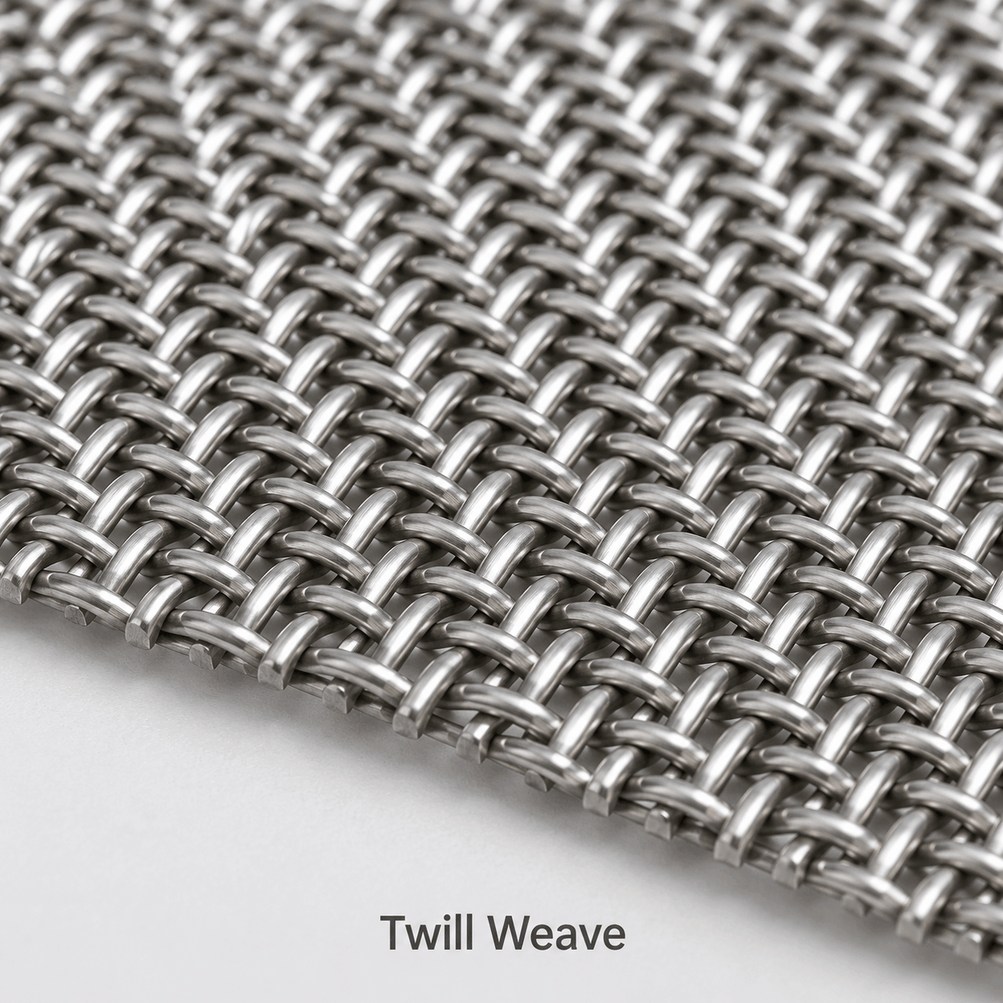
Twill WeaveWarp and weft wires pass over and under multiple adjacent wires, allowing a denser structure and supporting finer mesh combinations. |
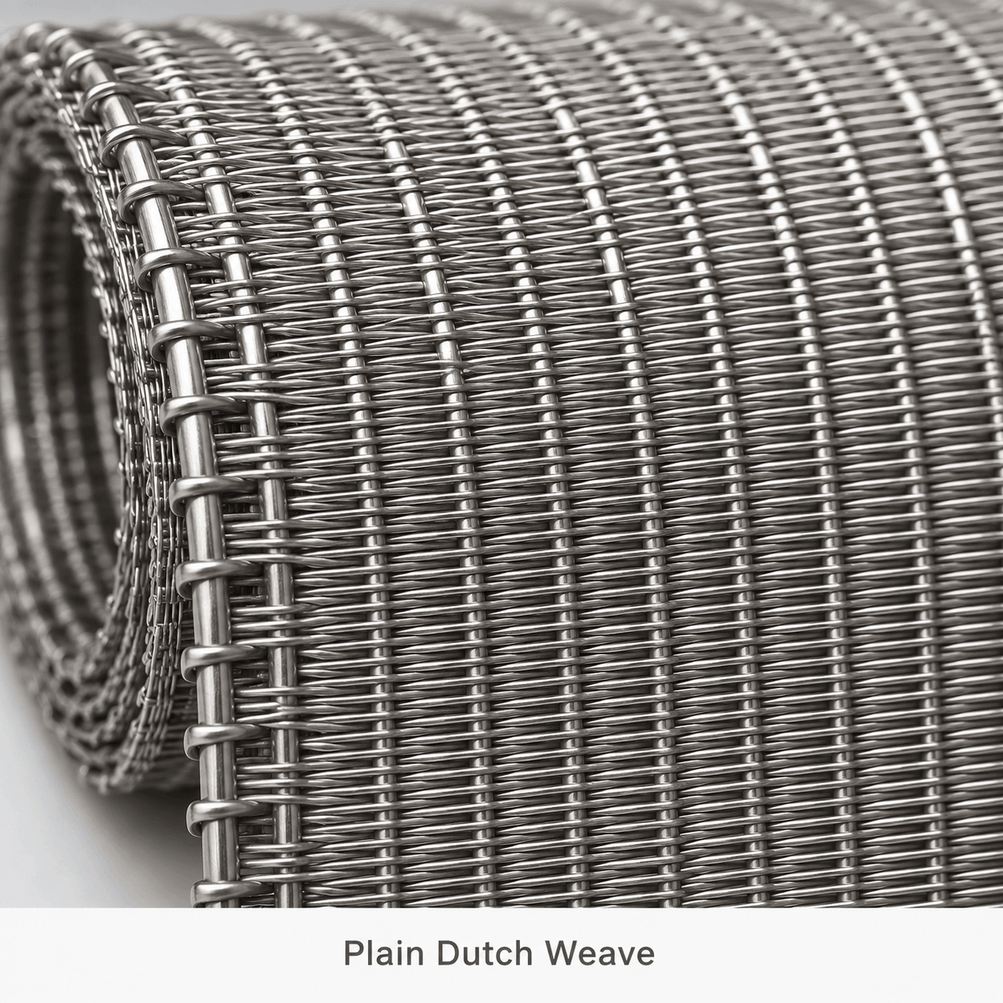
Plain Dutch WeaveDifferent warp and weft wire diameters are combined to create a dense filtration structure for pressure filtration and process filtration. |
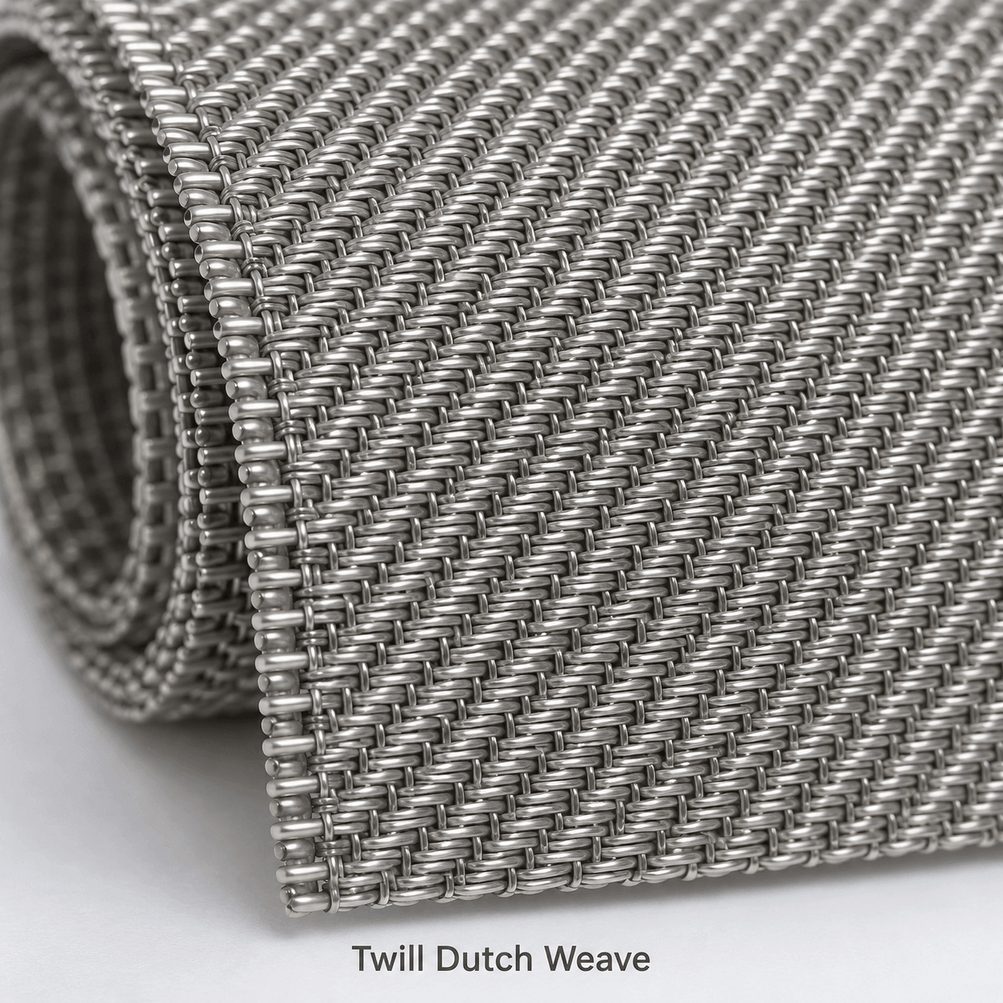
Twill Dutch WeaveA dense twilled filtration structure for finer particle retention and applications that require controlled filtration performance. |
Dutch Weave Mesh for Filtration
Dutch weave mesh is different from ordinary square woven mesh. It normally uses different warp and weft wire diameters and a much denser structure, so filtration performance should be specified separately.
Important Selection Note
Mesh count, aperture and filtration rating are different parameters. Dutch weave mesh should be selected according to its weave structure, warp and weft combination and required particle retention rather than by mesh count alone.
| Parameter | Description |
|---|---|
| Weave Structure | Plain Dutch Weave / Twill Dutch Weave |
| Warp Mesh | Longitudinal wire count and diameter |
| Weft Mesh | Transverse wire count and diameter |
| Filtration Rating | Specified according to required retention performance |
| Typical Use | Liquid filtration / Pressure filtration / Process filtration / Filter media |
Stainless Steel Grade Selection
The mesh structure should normally be selected first. Material grade can then be chosen according to corrosion resistance, welding requirement and operating environment.
| Grade | Main Characteristic | Typical Selection |
|---|---|---|
| 304 | Good general corrosion resistance and economical cost | General screening, ventilation, protection and filtration |
| 304L | Low-carbon 304 grade | Fabricated or welded mesh components |
| 316 | Molybdenum-bearing grade with improved chloride resistance | Chemical, coastal and more corrosive environments |
| 316L | Low-carbon version of 316 | Chemical, marine and welded filtration equipment |
Applications of Stainless Steel Woven Wire Mesh
| Screening
Particle grading, sieving and classification |
Filtration
Liquid, gas and process filtration |
Separation
Solid-liquid and particle separation |
| Ventilation
Airflow screens and grille protection |
Machine Protection
Safety covers and protective guards |
Fabricated Parts
Discs, strainers, baskets and cut mesh components |
Inspection & Quality Control
Woven wire mesh inspection focuses not only on material grade but also on the dimensional and weaving parameters that affect actual mesh performance.
| Inspection Item | Inspection Content |
|---|---|
| Material Grade | Verification of specified stainless steel grade |
| Wire Diameter | Warp and weft wire diameter measurement |
| Mesh Count | Number of openings per inch |
| Aperture | Clear opening measurement for applicable mesh structures |
| Roll Dimensions | Finished width and roll length |
| Weaving Quality | Broken wire, missing wire, uneven weaving and visible surface defects |
| Filtration Rating | Confirmed when specified for filter-grade or Dutch weave mesh |
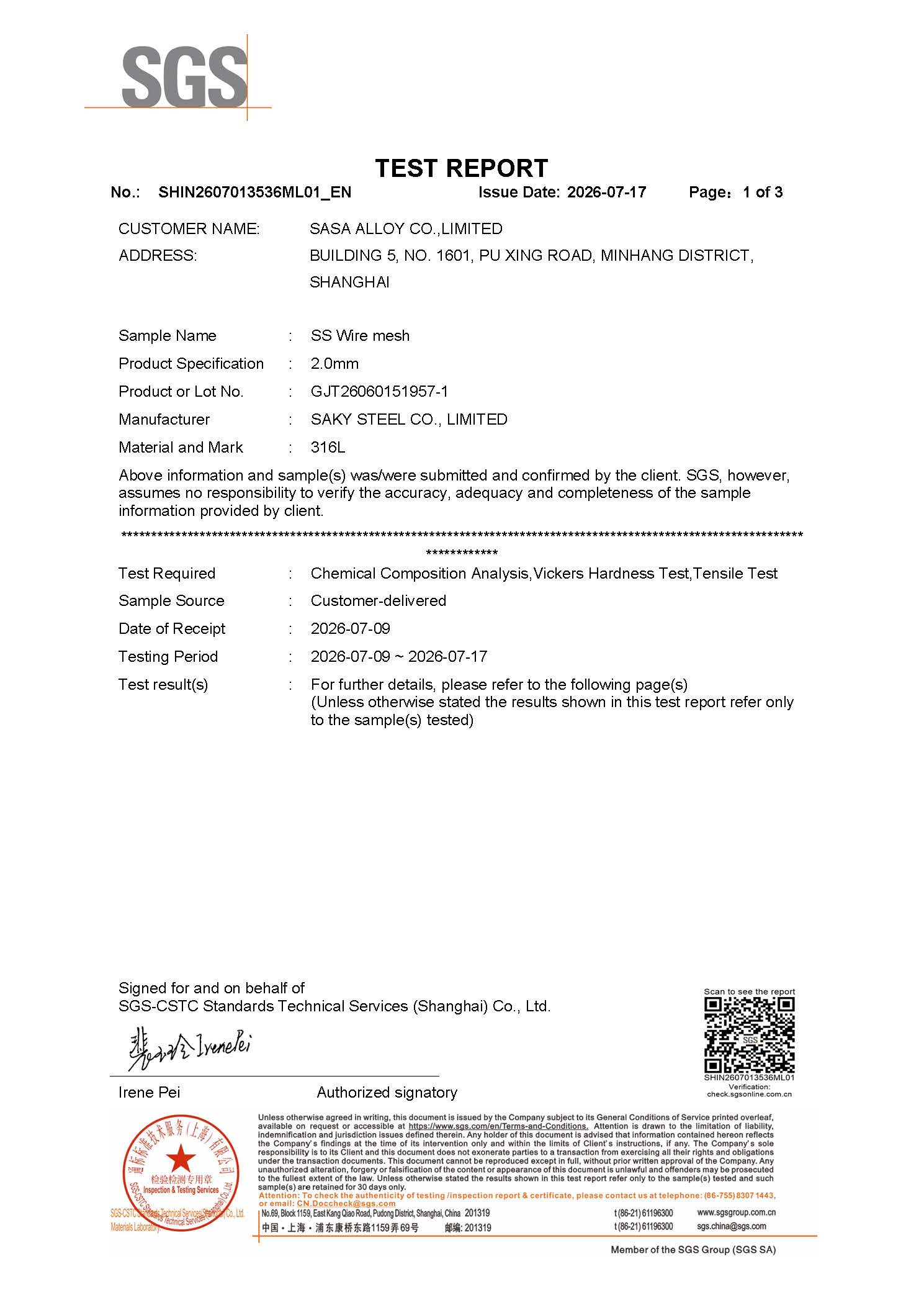
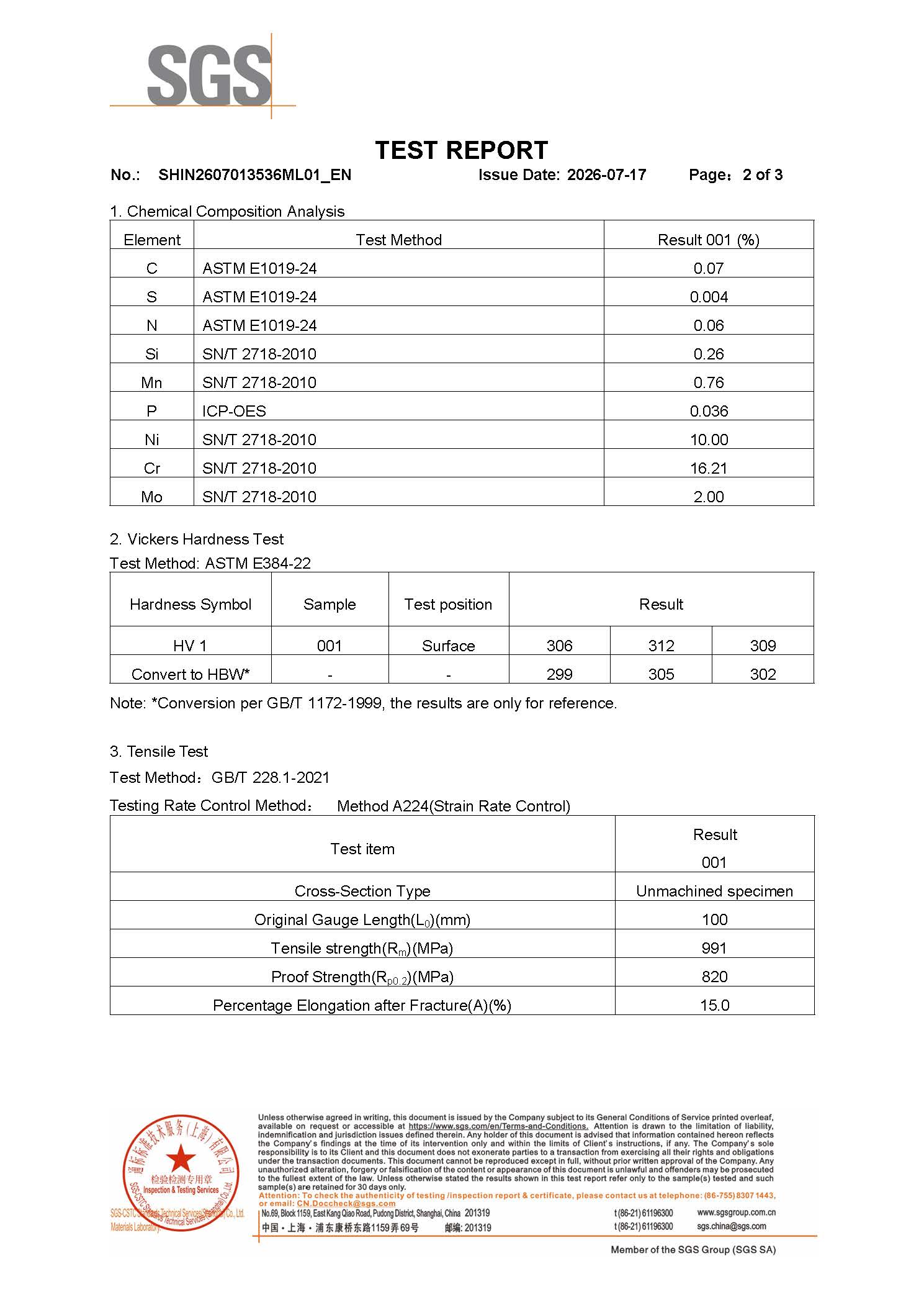
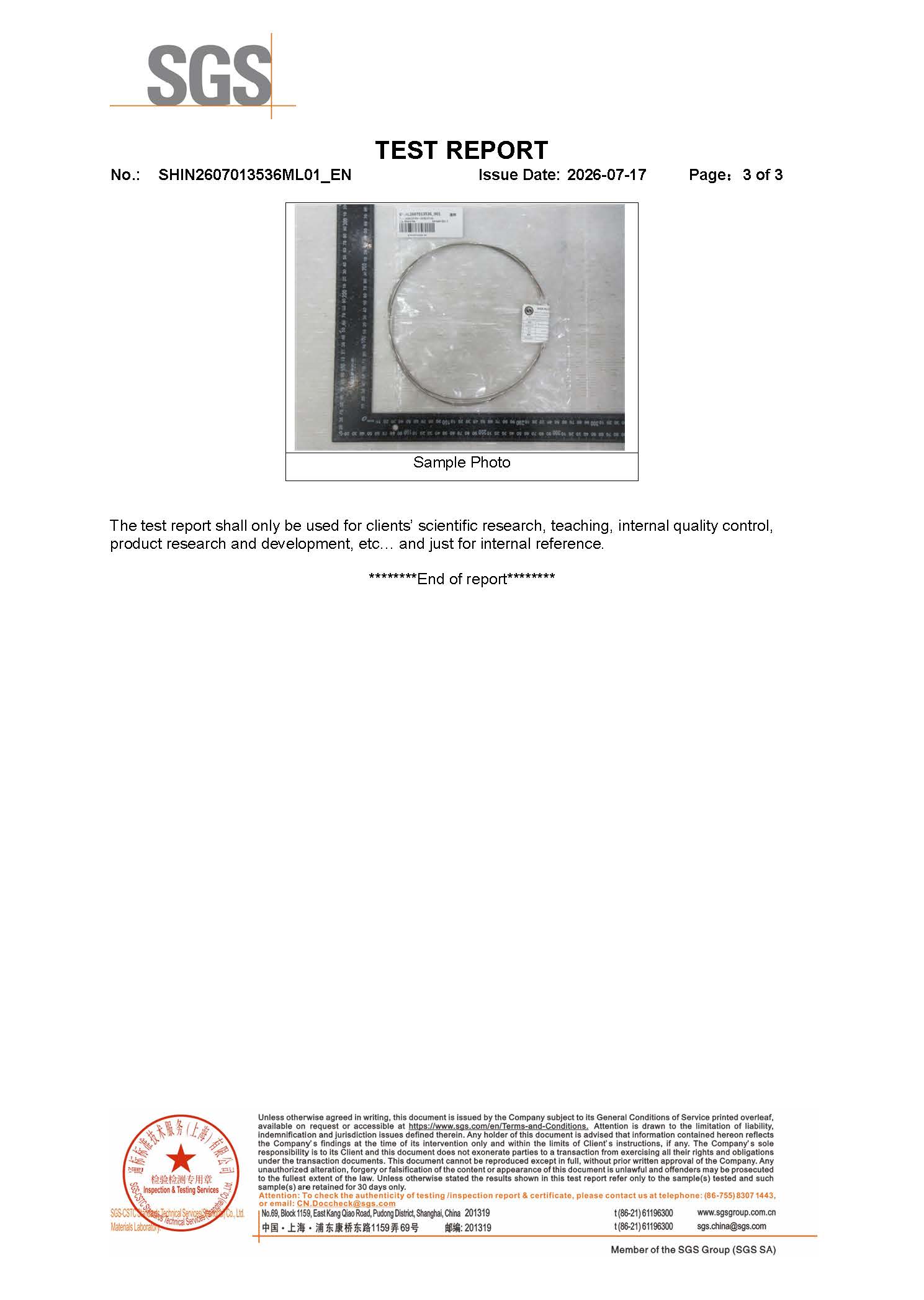
Stainless Steel Woven Wire Mesh Test Report
Stainless Steel Woven Wire Mesh Packaging
Packaging is selected according to mesh fineness, roll size, delivery form and transportation requirements.
FAQ
What is stainless steel woven wire mesh?
It is a mesh made by interlacing stainless steel warp and weft wires into a controlled woven structure for screening, filtration, separation, ventilation and protection.
Is mesh count the same as aperture?
No. Mesh count is the number of openings per linear inch. Aperture is the actual clear distance between adjacent wires. Different wire diameters can produce different aperture sizes even when the mesh count is the same.
Is filtration rating the same as mesh opening?
Not necessarily. Square woven mesh can be described by actual aperture, while Dutch weave mesh should normally be selected according to filtration rating and particle retention performance.
Which stainless steel grade should I select?
304 is widely used for general industrial applications. 316 and 316L are commonly considered for chloride-containing, chemical, coastal or marine environments requiring improved corrosion resistance.
Can woven wire mesh be supplied in custom sizes?
Yes. Depending on the mesh specification, woven mesh can be supplied in rolls, cut sheets, strips, discs and other custom-cut forms.
Need Help Selecting Stainless Steel Woven Wire Mesh?
Send your application, required opening or particle size, weave type if known, operating environment, roll size and quantity. SAKY STEEL can help review mesh count, wire diameter, aperture, filtration requirement and material grade before quotation.