Stainless Steel Flange Sizes: Find the Right Fit for Your Project Needs
When it comes to choosing the right stainless steel flange sizes for your project, I understand the importance of precision and reliability. With a variety of options available, it's crucial to find the perfect fit that meets your specific needs. Whether you're in oil and gas, construction, or manufacturing, our flanges provide the durability and strength you require. I've often found that the right flange can make all the difference in ensuring secure connections. Our stainless steel flanges come in a range of sizes, making it easy to select what best aligns with your requirements. Plus, we offer competitive pricing and fast delivery to help keep your projects on track. So if you’re ready to enhance your operations and minimize downtime, let's connect and discuss which sizes and specifications work for you. Quality should never be compromised, and I’m here to ensure that you get exactly what you need.
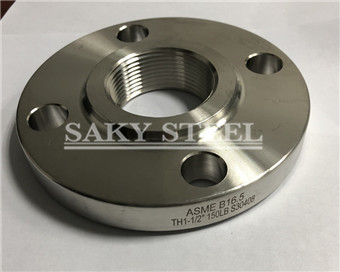
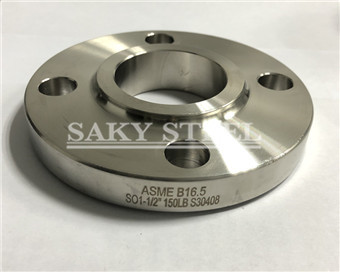
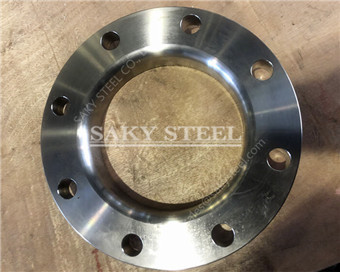
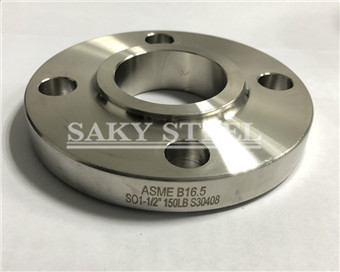
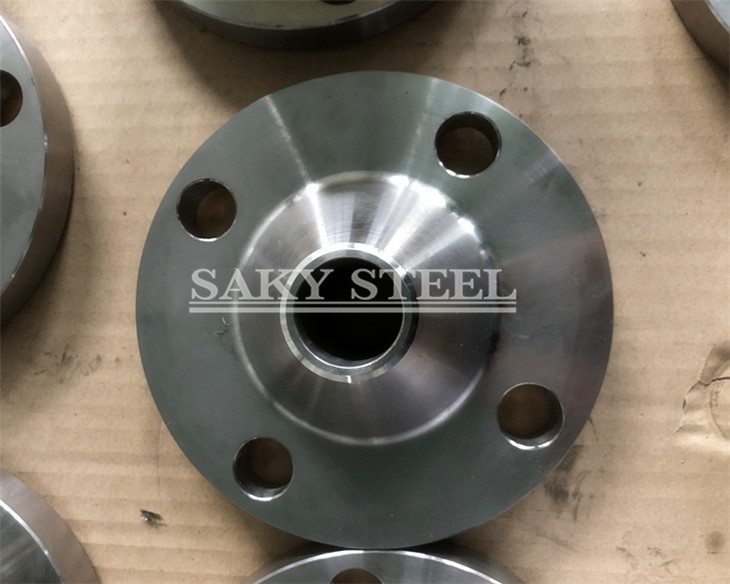
Stainless Steel Flange Sizes Trusted by Pros Sets the Industry Standard
When it comes to industrial applications, the importance of high-quality stainless steel flanges cannot be overstated. These components play a crucial role in ensuring reliable connections between piping systems, facilitating efficient fluid handling, and maintaining structural integrity in harsh environments. Professionals in the industry understand that the proper size and specifications of flanges are imperative to avoid leaks, enhance durability, and optimize performance. This is why selecting the right flange size is essential for any procurement strategy. Our extensive range of stainless steel flange sizes adheres to international standards, providing global purchasers with the confidence they need to make informed decisions. With precise engineering and rigorous quality control, our products meet the demanding requirements of various industries, including oil and gas, chemical processing, and food and beverage manufacturing. By opting for our flanges, buyers not only ensure compatibility across their systems but also benefit from longevity and reduced maintenance costs, setting a new benchmark in the marketplace. In an increasingly competitive landscape, the right choice in flange sizes can significantly impact operational efficiency and safety. Importantly, staying ahead of industry trends and advancements is crucial for global suppliers. By fostering strong relationships with manufacturers and staying informed about the latest innovations in stainless steel flange technology, procurement professionals can effectively enhance their supply chains and ensure they have access to the best products available.
Stainless Steel Flange Sizes Trusted by Pros Sets the Industry Standard
| Flange Type | Size (inches) | Thickness (mm) | Bolt Circle Diameter (BCD) (inches) | Number of Bolts |
|---|---|---|---|---|
| Weld Neck | 1 | 10 | 4.5 | 4 |
| Slip-On | 1.5 | 12 | 5.5 | 4 |
| Blind | 2 | 15 | 6.5 | 8 |
| Lap Joint | 3 | 20 | 7.5 | 8 |
| Socket Weld | 4 | 22 | 9.0 | 8 |
Related Products
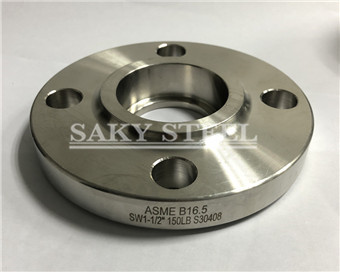
Stainless Steel Flange Sizes Dominates Market Leader
Top Selling Products

- Related Blog
- Reviews
